
Which Dog Breeds Thrive Most in a Golf Course Environment?
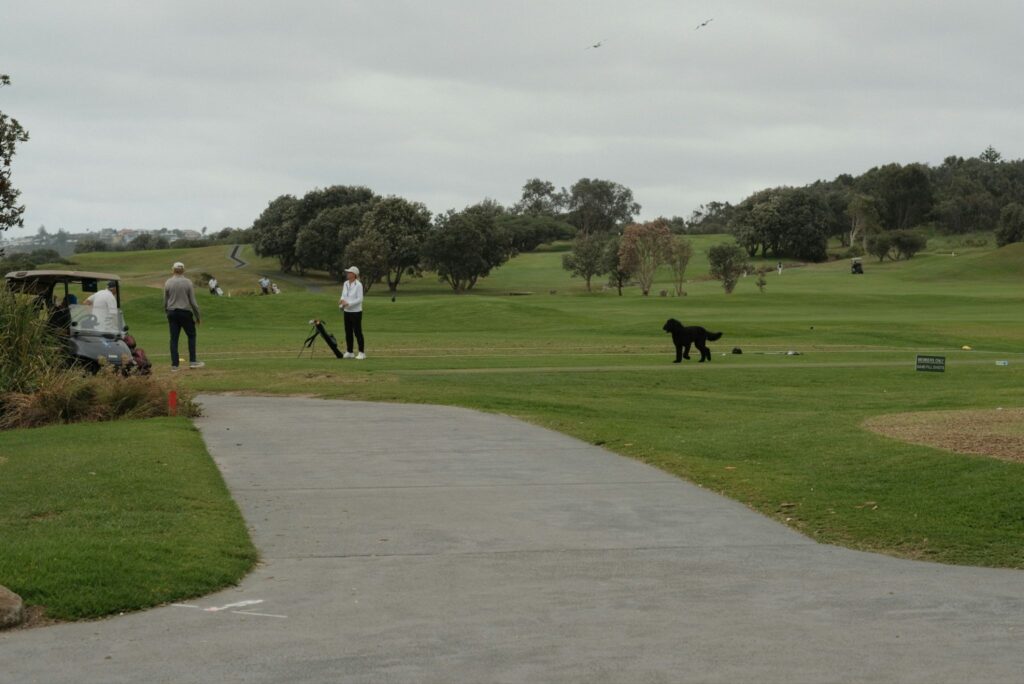
Photo by Dominic Kurniawan Suryaputra on Unsplash
For many golfers, the only thing better than a crisp morning on the fairway is sharing that experience with a loyal four-legged companion. The “course dog” has become a beloved fixture at many private clubs and dog-friendly public links around the world. However, the golf course is a unique environment that demands a specific set of traits from a canine. It is a place of vast open spaces, tempting wildlife, moving vehicles, and a strict code of etiquette. Not every breed is cut out for the disciplined yet active lifestyle required to navigate 18 holes safely and politely.
A successful golf course dog needs more than just stamina; it requires a calm temperament, a high level of “off-leash” reliability, and a lack of prey drive that might result in a chased squirrel disrupting a championship match. Whether the dog belongs to the Head Pro, the Course Superintendent, or a member with walking privileges, certain breeds consistently rise to the top as the ultimate golfing partners. In this article, we explore the breeds that thrive in this environment and what makes them the perfect fairway friends.
The Versatile Labrador Retriever
It is no surprise that the Labrador Retriever is perhaps the most common sight on golf courses globally. Known for their friendly demeanor and high trainability, Labs are naturally inclined to stay close to their owners. Their history as water retrievers means they have the physical stamina to walk several miles across undulating terrain without tiring. Furthermore, their “soft mouth” instinct, originally bred for carrying game, means they are less likely to destroy a stray golf ball they might find in the rough.
Training a Lab for the course is often easier than with other breeds because of their eagerness to please. While you are busy debating which club to use or searching for the best odyssey putter to shave strokes off your game, a well-trained Labrador will contentedly sit by your bag, observing the action without feeling the need to bark at passing carts or distracting other players during their backswing.
The Intelligent Border Collie
While Labs are great companions for the casual golfer, Border Collies are often the “employees” of the golf course. Many superintendents employ Border Collies specifically for goose management. Geese can wreak havoc on greens and fairways, and the Border Collie’s unique “eye” and herding instinct allow them to clear the birds without harming them. Their work ethic is unmatched, and they thrive when given the “job” of accompanying a golfer through a round.
Protection from the elements is also a consideration for dogs spending four or five hours outdoors. While a Border Collie has a coat that handles the wind well, their owners should always be prepared for shifting weather. Just as you might pack the best golf umbrella to protect yourself from a sudden downpour, you must ensure your dog has access to shade and water to prevent overheating during the warmer months when the sun beats down on the open fairways.
The Steadfast Golden Retriever
Similar to the Labrador, the Golden Retriever is a classic choice for the links. Their temperament is famously gentle, which is vital in a social environment like a golf club where they may encounter many strangers and other dogs. Goldens are also known for their patience. Golf can be a slow game, and a dog that can handle long periods of waiting—especially during those inevitable back-ups at a par 3—is a must for maintaining the flow of play.
Their keen awareness makes them very responsive to non-verbal cues, a trait that is highly beneficial when you need your dog to “stay” or “heel” quickly as another player prepares to hit. While you are focusing on the technical aspects of your swing and perhaps testing out the best taylormade irons to improve your ball striking, your Golden Retriever will be perfectly content watching your every move, waiting for the signal to head to the next tee box.
The Sturdy Rhodesian Ridgeback
For golfers who play on more rugged courses or in warmer climates, the Rhodesian Ridgeback is an underrated choice. Originally bred to hunt lions in Africa, these dogs possess incredible endurance and a short coat that handles heat much better than the heavier-coated retrievers. They are dignified and generally quiet, rarely barking unless there is a genuine reason, which helps maintain the quiet atmosphere required for focus on the course.
Ridgebacks are strong-willed, so they require a firm hand in training, but once they understand the boundaries of the fairway, they are impeccably behaved. They have a natural athletic grace that allows them to keep pace with a golf cart or a fast walker with ease. Having a Ridgeback by your side provides a sense of security and companionship that is hard to match, especially during late-evening solo rounds when the course is quiet.
The Loyal Australian Shepherd
Australian Shepherds are medium-sized dogs that pack a lot of energy into a compact frame. They are incredibly agile, which is a benefit on courses with steep elevation changes or rocky outcroppings. Like the Border Collie, the “Aussie” is a herding dog at heart, meaning they are “velcro dogs” that prefer to stay very close to their human. This natural inclination to shadow their owner makes them less likely to wander off into the woods or onto an adjacent fairway in search of adventure.
The intelligence of the Australian Shepherd allows them to learn complex routines quickly. They can be taught to stay off the greens and bunkers entirely, understanding that these are “no-go” zones. Their high energy means they will be just as enthusiastic on the 18th hole as they were on the 1st, making them the perfect partner for those who prefer to walk the course rather than ride in a cart.
The Calm Jack Russell Terrier
It might seem counterintuitive to suggest a Terrier for a golf course, as they are often associated with high energy and digging. However, the Jack Russell has a long history in the UK as a traditional “squire’s dog” on the course. Their small size makes them easy to manage and easy to transport in a golf cart if they get tired. If they are well-socialized from a young age, they can be remarkably well-behaved companions.
The key with a Jack Russell—or any small terrier—is ensuring they are trained to ignore the local wildlife. A dog that disappears down a rabbit hole in the middle of a round is a liability. But for a golfer who wants a dog with a big personality in a small package, a disciplined Jack Russell can be a joyful addition to any foursome, often becoming the unofficial mascot of the clubhouse after the round is finished.
Essential Etiquette for Course Dogs
Regardless of the breed, the “thriving” of a dog on a golf course is largely dependent on the owner’s commitment to etiquette. A dog should never be on the greens or in the bunkers, as their paws can cause damage to the sensitive turf. They must be trained to remain silent and stationary when anyone is hitting, and most importantly, they must have a foolproof recall. A dog that interferes with play or disturbs other golfers will quickly find themselves (and their owner) banned from the facility.
Furthermore, safety is paramount. Golf balls travel at high speeds and can be lethal. A course dog must be trained to stay behind the golfer or the cart at all times to avoid being struck by a stray shot. It is also the owner’s responsibility to ensure the course is kept clean. Carrying waste bags and plenty of water is non-negotiable. When these rules are followed, the presence of a dog can significantly enhance the mental well-being of the golfer, providing a calming influence during a stressful round.
Conclusion
Choosing the right breed is the first step in creating a harmonious relationship between your hobby and your pet. Whether it’s the tireless work ethic of a Border Collie, the friendly companionship of a Labrador, or the rugged endurance of a Rhodesian Ridgeback, the right dog can turn a great round of golf into an unforgettable one. As long as there is mutual respect for the game, the players, and the environment, the golf course remains one of the finest places for a dog and their owner to bond over four hours of fresh air and sport.
About the Author
Jordan Fuller is a golf expert and professional instructor with decades of experience. He provides in-depth equipment reviews and advice to help golfers improve their game.