
How Homeowners Can Navigate Storm Damage and Protect Their Roof Investment
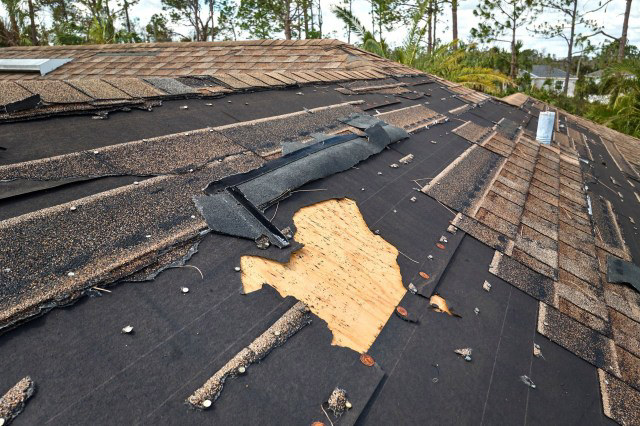
Storms can be unpredictable, powerful, and costly—especially when your home’s first line of defense takes a hit. Your roof absorbs the brunt of wind, rain, hail, and debris, and even minor damage can quickly escalate into serious structural issues if left unaddressed. For homeowners, understanding how to respond after a storm isn’t just helpful—it’s essential for protecting both property and peace of mind.
In this guide, we’ll walk through practical steps to assess damage, prevent further issues, and make informed decisions about repairs and maintenance.
Why Storm Damage to Roofs Is Often Underestimated
After a major storm passes, visible damage like fallen branches or missing shingles might be easy to spot. However, many roofing issues aren’t immediately obvious. Small cracks, loosened flashing, or compromised underlayment can go unnoticed but lead to leaks, mold, and insulation problems over time.
Common Types of Storm-Related Roof Damage
- Wind Damage: High winds can lift or completely remove shingles, exposing the roof deck.
- Hail Impact: Hailstones can create dents, cracks, or granule loss on shingles.
- Water Intrusion: Heavy rain can exploit weak points, leading to leaks.
- Debris Damage: Tree limbs and flying objects can puncture or weaken roofing materials.
Recognizing these risks early helps homeowners act quickly and avoid more expensive repairs later.
First Steps to Take After a Storm
Knowing what to do immediately after a storm can make a significant difference in minimizing damage.
1. Conduct a Visual Inspection
Walk around your home and look for obvious signs of damage such as:
- Missing or curled shingles
- Debris accumulation
- Sagging areas
- Gutter or flashing damage
Avoid climbing onto the roof yourself, as it may be unstable.
2. Check the Interior
Sometimes the first signs of roof damage appear inside your home:
- Water stains on ceilings or walls
- Damp insulation in the attic
- Musty odors indicating moisture buildup
3. Document Everything
Take photos and videos of any visible damage. This documentation is useful for insurance claims and repair consultations.
When to Call a Professional
While DIY inspections are helpful, they’re no substitute for a trained eye. Roofing professionals can identify subtle issues that homeowners might miss and provide a comprehensive assessment.
If you suspect storm damage, it’s wise to seek expert evaluation sooner rather than later. For homeowners looking for reliable guidance, consider exploring Peachtree City storm damage roofing help to better understand your options and next steps.
Preventing Further Damage While You Wait
Sometimes repairs can’t happen immediately due to weather conditions or contractor availability. In the meantime, taking temporary measures can help prevent worsening issues.
Temporary Protection
- Use tarps to cover exposed areas
- Clear debris from gutters to prevent water backup
- Place buckets under active leaks
- Avoid using affected electrical fixtures
These short-term fixes aren’t permanent solutions but can reduce the risk of additional damage.
Understanding Insurance and Repair Options
Dealing with insurance claims can be one of the most confusing parts of storm recovery. Policies vary widely, and understanding your coverage is key.
Tips for Navigating Insurance Claims
- Review Your Policy: Know what types of damage are covered
- Act Quickly: Many policies have time limits for filing claims
- Get Multiple Estimates: This helps ensure fair pricing
- Keep Records: Save all receipts and communications
It’s important to remember that this article is for informational purposes only and not a substitute for professional financial or legal advice.
Long-Term Roof Maintenance Strategies
Once repairs are complete, ongoing maintenance is essential to extend the life of your roof and reduce vulnerability to future storms.
Best Practices for Roof Care
- Schedule annual inspections
- Clean gutters regularly
- Trim overhanging tree branches
- Replace damaged shingles promptly
- Ensure proper attic ventilation
Proactive care not only protects your home but also preserves its value.
Choosing the Right Roofing Partner
Not all roofing services are created equal. Selecting a trustworthy contractor can make a significant difference in the quality and longevity of repairs.
What to Look For
- Verified experience with storm damage
- Clear communication and detailed estimates
- Proper licensing and insurance
- Positive customer feedback
Working with professionals who understand local weather patterns and building requirements can provide added confidence in your roofing decisions.
Conclusion: Turning Storm Setbacks Into Smart Recovery
Storm damage can feel overwhelming, but with the right approach, it becomes manageable. From early detection to professional repair and ongoing maintenance, each step plays a role in safeguarding your home.
Taking action quickly and seeking informed support—like exploring options for Peachtree City storm damage roofing help—can make all the difference in restoring your roof and protecting your investment for years to come.


