40+ Ocean Animals That Start With I: Photos, Facts & Fun
The ocean is home to some truly intriguing creatures, and many of them start with the letter “I”! This list brings together a wide array of ocean animals that start with I, organized by type—fish, invertebrates, marine mammals, and more. Whether you’re fascinated by icy-dwelling species or tropical oddities, there’s something here for every curious mind.
From creatures found in the deep sea to colorful inhabitants of coral reefs, each animal profile offers a snapshot of where it lives, what it eats, and what makes it stand out. Ready to immerse yourself in the underwater world of “I”? Let’s dive in.
Ocean Animals That Start With I

1. Icefish (Channichthyidae)
Icefish inhabit the frigid waters of the Southern Ocean around Antarctica. They are adapted to sub-zero temperatures thanks to antifreeze proteins in their blood. These fish have white blood, lacking hemoglobin, which is unusual in vertebrates. Icefish feed on krill, small fish, and crustaceans. They typically dwell in deep waters and are relatively slow-moving. Most species are solitary and territorial.
Fun Fact: Icefish are the only known vertebrates with no red blood cells.
Quick Facts
| Attribute | Detail |
|---|---|
| Size | 15–60 cm (6–24 in) |
| Weight | 0.5–1.2 kg (1.1–2.6 lbs) |
| Lifespan | 5–10 years |
| Habitat | Southern Ocean |
| Diet | Krill, small fish, crustaceans |
| Social Structure | Solitary |
| Conservation | Least Concern |
Fun Fact: Icefish survive in freezing waters without red blood cells.
2. Indian Mackerel (Rastrelliger kanagurta)
Indian mackerel are fast-swimming pelagic fish found in the warm coastal waters of the Indian and western Pacific Oceans. Recognizable by their streamlined bodies and silvery sheen, they form large schools and are commercially significant. These carnivorous fish primarily consume plankton and small crustaceans. Indian mackerel are known for their migration patterns during spawning.
Fun Fact: Indian mackerel can travel in tightly packed schools that resemble shimmering underwater tornadoes.
Quick Facts
| Attribute | Detail |
|---|---|
| Size | 25–35 cm (10–14 in) |
| Weight | 0.25–0.45 kg (0.55–1 lb) |
| Lifespan | 4–7 years |
| Habitat | Tropical coastal waters |
| Diet | Plankton, larvae, crustaceans |
| Social Structure | Schooling |
| Conservation | Least Concern |
Fun Fact: Indian mackerel form giant schools for safety and feeding.
3. Isopod (Bathynomus giganteus)
Giant isopods are deep-sea crustaceans resembling oversized pill bugs. Found in the Atlantic, Pacific, and Indian Oceans at great depths, they scavenge the ocean floor for carcasses. With hard exoskeletons and multiple legs, they are well adapted to high-pressure, low-light environments. Isopods are solitary and nocturnal.
Fun Fact: Some giant isopods can go years without eating!
Quick Facts
| Attribute | Detail |
|---|---|
| Size | 19–36 cm (7.5–14 in) |
| Weight | 0.8–1.7 kg (1.8–3.7 lbs) |
| Lifespan | 5–10 years |
| Habitat | Deep-sea benthic zones |
| Diet | Carrion, dead fish, squid |
| Social Structure | Solitary |
| Conservation | Least Concern |
Fun Fact: Giant isopods can curl into a ball when threatened.
4. Indian Threadfish (Alectis indica)
Indian threadfish are elegant predatory fish with long, trailing fin filaments. Found in warm waters across the Indian Ocean, they inhabit coastal reefs and sandy bottoms. Juveniles mimic leaves for camouflage. Adults are active hunters, feeding on smaller fish and crustaceans.
Fun Fact: Juvenile Indian threadfish use mimicry to avoid predators.
Quick Facts
| Attribute | Detail |
|---|---|
| Size | 50–100 cm (20–39 in) |
| Weight | Up to 13 kg (28.6 lbs) |
| Lifespan | 8–10 years |
| Habitat | Coastal reefs, open water |
| Diet | Small fish, crustaceans |
| Social Structure | Solitary or pairs |
| Conservation | Least Concern |
Fun Fact: Young threadfish resemble drifting leaves to fool predators.
5. Indian Scad (Decapterus russelli)
A common schooling fish, the Indian scad thrives in coastal tropical waters, especially around India and Southeast Asia. It has a torpedo-shaped body and is often seen in markets. They feed on plankton and small invertebrates and are prey to larger fish and seabirds.
Fun Fact: Indian scad migrate seasonally, closely following warm currents.
Quick Facts
| Attribute | Detail |
|---|---|
| Size | 20–30 cm (8–12 in) |
| Weight | 0.2–0.5 kg (0.44–1.1 lbs) |
| Lifespan | 3–5 years |
| Habitat | Tropical coastal waters |
| Diet | Plankton, larvae |
| Social Structure | Schooling |
| Conservation | Least Concern |
Fun Fact: These fish are a vital food source in many tropical nations.
6. Indian Ocean Bottlenose Dolphin (Tursiops aduncus)
A subspecies of the bottlenose dolphin, this intelligent marine mammal lives in tropical and subtropical waters of the Indian Ocean. Known for their playful behavior, they use echolocation and complex communication. Social and intelligent, they live in pods.
Fun Fact: These dolphins have signature whistles like names.
Quick Facts
| Attribute | Detail |
|---|---|
| Size | 2–2.7 m (6.6–8.9 ft) |
| Weight | 150–230 kg (330–507 lbs) |
| Lifespan | 30–45 years |
| Habitat | Coastal and offshore waters |
| Diet | Fish, squid |
| Social Structure | Pod (6–20 individuals) |
| Conservation | Near Threatened |
Fun Fact: Each dolphin develops a unique whistle for identification.
7. Indian Ocean Humpback Whale (Megaptera novaeangliae indica)
This subspecies of humpback whale migrates across the Indian Ocean, often found near Madagascar and Oman. They are massive baleen whales known for breaching and singing. These whales filter feed on krill and small fish and travel in small groups or alone.
Fun Fact: Males sing complex songs that can last for hours.
Quick Facts
| Attribute | Detail |
|---|---|
| Size | 12–16 m (39–52 ft) |
| Weight | 25–30 tons |
| Lifespan | 45–50 years |
| Habitat | Indian Ocean migratory routes |
| Diet | Krill, small fish |
| Social Structure | Solitary or pairs |
| Conservation | Endangered |
Fun Fact: Humpback songs can travel across entire ocean basins.
8. Indian Glassy Fish (Parambassis ranga)
This transparent tropical fish is native to the Indian subcontinent and thrives in brackish coastal waters. It’s often kept in aquariums for its see-through body. These fish are small, peaceful, and social.
Fun Fact: You can see their organs through their clear bodies.
Quick Facts
| Attribute | Detail |
|---|---|
| Size | 5–8 cm (2–3 in) |
| Weight | 10–20 g (0.35–0.7 oz) |
| Lifespan | 3–4 years |
| Habitat | Brackish estuaries, coasts |
| Diet | Zooplankton, larvae |
| Social Structure | Schooling |
| Conservation | Least Concern |
Fun Fact: These fish are often dyed artificially in the pet trade.
9. Indian Pufferfish (Arothron hispidus)
Found in tropical coastal regions of the Indian Ocean, the Indian pufferfish has a rounded body covered with tiny spines and striking markings. When threatened, it inflates to deter predators. It has a varied diet including mollusks, crustaceans, and algae. While slow-swimming, it has powerful jaws to crush shells.
Fun Fact: Indian pufferfish can inflate themselves to nearly double their size.
Quick Facts
| Attribute | Detail |
|---|---|
| Size | 30–50 cm (12–20 in) |
| Weight | 0.5–1.2 kg (1.1–2.6 lbs) |
| Lifespan | 10–15 years |
| Habitat | Coral reefs, lagoons |
| Diet | Mollusks, crustaceans, algae |
| Social Structure | Solitary |
| Conservation | Least Concern |
Fun Fact: Their skin contains toxins dangerous to predators—and humans.
10. Indian Ocean Anglerfish (Melanocetus johnsonii)
This deep-sea predator lurks in the darkest parts of the Indian Ocean. The female anglerfish uses a bioluminescent lure to attract prey in the pitch-black depths. Males are tiny and attach to females for reproduction. They feed on anything that comes close enough.
Fun Fact: The glowing “lure” on its head is a part of its body!
Quick Facts
| Attribute | Detail |
|---|---|
| Size | Females: 15–20 cm (6–8 in) |
| Weight | 0.5–1 kg (1.1–2.2 lbs) |
| Lifespan | 10–12 years |
| Habitat | Deep sea (1,000–3,000 m) |
| Diet | Fish, crustaceans |
| Social Structure | Solitary (except during mating) |
| Conservation | Least Concern |
Fun Fact: Male anglerfish fuse to females and share their bloodstream.
11. Indian Ocean Moray Eel (Gymnothorax javanicus)
Moray eels in the Indian Ocean are long, snake-like predators with sharp teeth and excellent camouflage. They live in coral reefs and rocky crevices, often ambushing prey such as fish and octopuses. Morays can look intimidating but are usually shy.
Fun Fact: Moray eels have two sets of jaws—one to grab, one to swallow.
Quick Facts
| Attribute | Detail |
|---|---|
| Size | 1–2.5 m (3.3–8.2 ft) |
| Weight | 10–30 kg (22–66 lbs) |
| Lifespan | 10–20 years |
| Habitat | Coral reefs, rocky coastlines |
| Diet | Fish, cephalopods, crustaceans |
| Social Structure | Solitary |
| Conservation | Least Concern |
Fun Fact: They use a second “pharyngeal” jaw to pull prey into their throat.
12. Indian Ocean Octopus (Octopus cyanea)
Also known as the day octopus, this intelligent cephalopod is common in Indian Ocean reefs. It’s a master of camouflage and problem-solving. With no bones, it can squeeze into tight crevices. It feeds mostly at dawn and dusk.
Fun Fact: It can change both color and texture in seconds.
Quick Facts
| Attribute | Detail |
|---|---|
| Size | 40–60 cm (16–24 in) |
| Weight | 1.5–4 kg (3.3–8.8 lbs) |
| Lifespan | 1–2 years |
| Habitat | Reefs, shallow coastal zones |
| Diet | Crabs, mollusks, small fish |
| Social Structure | Solitary |
| Conservation | Least Concern |
Fun Fact: This species is known for escaping tanks in aquariums!
13. Indian River Shrimp (Macrobrachium malcolmsonii)
This large freshwater shrimp is often found in estuaries and brackish waters leading to the ocean. It plays a role in nutrient cycling and is harvested in aquaculture. Its long claws and striped body make it distinctive.
Fun Fact: It can migrate from rivers to coastal areas and back.
Quick Facts
| Attribute | Detail |
|---|---|
| Size | 20–30 cm (8–12 in) |
| Weight | 100–200 g (3.5–7 oz) |
| Lifespan | 1.5–2 years |
| Habitat | Estuaries, brackish coastal waters |
| Diet | Algae, detritus, small animals |
| Social Structure | Grouped in loose populations |
| Conservation | Least Concern |
Fun Fact: This shrimp is a vital species in India’s aquaculture industry.
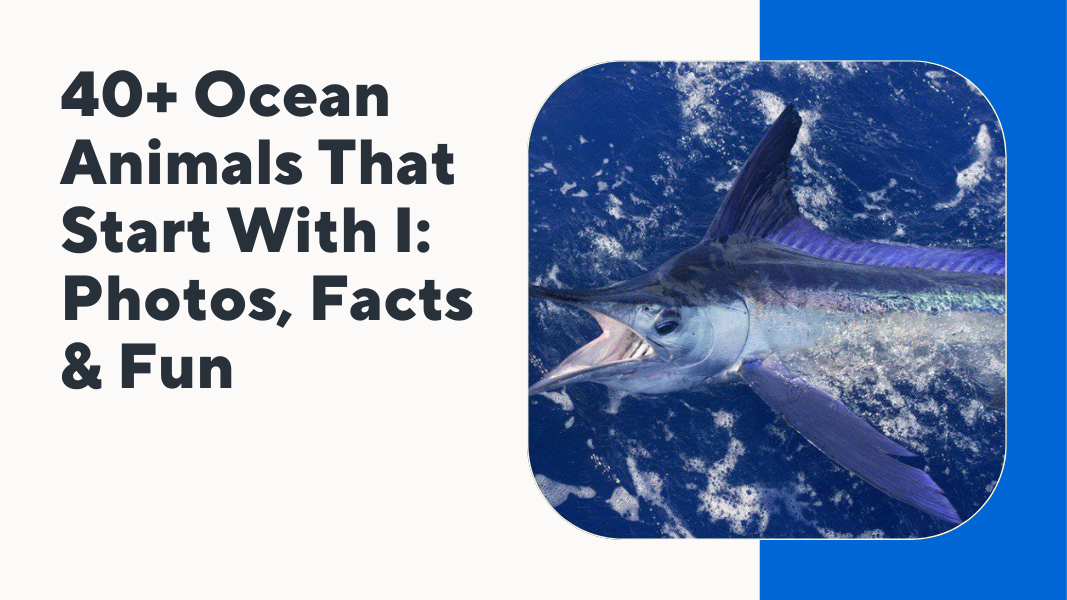
14. Indo-Pacific Sailfish (Istiophorus platypterus)
Among the fastest fish in the ocean, the Indo-Pacific sailfish boasts a long, pointed bill and a massive sail-like dorsal fin. It roams tropical and subtropical waters and is a prized catch for sport fishers. These predators use their speed to chase down fish and squid.
Fun Fact: Sailfish can leap out of the water at over 100 km/h (62 mph).
Quick Facts
| Attribute | Detail |
|---|---|
| Size | 1.5–3.4 m (5–11 ft) |
| Weight | 30–100 kg (66–220 lbs) |
| Lifespan | 4–13 years |
| Habitat | Open tropical oceans |
| Diet | Small fish, squid |
| Social Structure | Solitary or small groups |
| Conservation | Least Concern |
Fun Fact: Their “sail” helps them herd fish into bait balls.
15. Indian Sea Star (Pentaceraster regulus)
This spiny sea star is found in the Indian Ocean, particularly on coral reefs and sandy seafloors. It has thick arms and vibrant colors, often red or orange. Sea stars move slowly and feed on small invertebrates or detritus.
Fun Fact: They can regrow lost arms completely.
Quick Facts
| Attribute | Detail |
|---|---|
| Size | 20–35 cm (8–14 in) |
| Weight | 0.3–0.6 kg (0.66–1.3 lbs) |
| Lifespan | 5–10 years |
| Habitat | Coral reefs, sandy seabeds |
| Diet | Detritus, mollusks |
| Social Structure | Solitary |
| Conservation | Least Concern |
Fun Fact: Sea stars eat by pushing their stomachs out of their bodies.
16. Indian Moonfish (Mene maculata)
With a disc-shaped body and shimmering silver scales, the Indian moonfish glides near coastal shores and estuaries. It feeds on zooplankton and detritus. Though it’s edible, it’s not widely consumed.
Fun Fact: Its body shape lets it turn sharply to avoid predators.
Quick Facts
| Attribute | Detail |
|---|---|
| Size | 15–20 cm (6–8 in) |
| Weight | 150–300 g (5.3–10.6 oz) |
| Lifespan | 3–5 years |
| Habitat | Estuaries, shallow coasts |
| Diet | Zooplankton, algae |
| Social Structure | Small schools |
| Conservation | Least Concern |
Fun Fact: Their deep, flattened bodies shimmer like a full moon.
17. Indian Ocean Lobster (Panulirus homarus)
The Indian Ocean spiny lobster is found along rocky reefs and coastal shelves. Unlike true lobsters, it lacks large claws and uses its long antennae for defense. These nocturnal scavengers feed on mollusks and decaying matter. It’s a prized seafood species.
Fun Fact: These lobsters can regrow lost legs or antennae.
Quick Facts
| Attribute | Detail |
|---|---|
| Size | 20–40 cm (8–16 in) |
| Weight | 0.8–1.5 kg (1.7–3.3 lbs) |
| Lifespan | 5–10 years |
| Habitat | Rocky reefs, shallow waters |
| Diet | Mollusks, detritus |
| Social Structure | Solitary |
| Conservation | Least Concern |
Fun Fact: Spiny lobsters make a rasping sound to deter predators.
18. Indian Ocean Tuna (Thunnus tonggol)
Also known as longtail tuna, this streamlined predator roams open waters of the Indian Ocean. It’s smaller than bluefin tuna but still powerful and fast. Schools of tuna often feed on sardines and squid.
Fun Fact: Longtail tuna can migrate thousands of kilometers in search of food.
Quick Facts
| Attribute | Detail |
|---|---|
| Size | 1–1.3 m (3.3–4.3 ft) |
| Weight | 15–35 kg (33–77 lbs) |
| Lifespan | 8–10 years |
| Habitat | Open Indian Ocean |
| Diet | Fish, squid |
| Social Structure | Schooling |
| Conservation | Near Threatened |
Fun Fact: Tuna are warm-blooded, allowing them to swim in colder waters.
19. Indian Ocean Flying Fish (Hirundichthys indicus)
This small, silver fish is known for gliding above the ocean surface using its enlarged pectoral fins. Found in warm Indian Ocean waters, it uses flight to escape predators like tuna and dolphins.
Fun Fact: Flying fish can soar up to 200 meters in a single glide!
Quick Facts
| Attribute | Detail |
|---|---|
| Size | 15–25 cm (6–10 in) |
| Weight | 100–200 g (3.5–7 oz) |
| Lifespan | 2–5 years |
| Habitat | Warm open ocean |
| Diet | Plankton, small crustaceans |
| Social Structure | Schooling |
| Conservation | Least Concern |
Fun Fact: They can flap their fins mid-air to prolong flight.
20. Indian Ocean Squid (Uroteuthis duvaucelii)
This fast-swimming mollusk is found in both shallow and deeper Indian Ocean waters. Squid use jet propulsion to move and squirt ink as a defense mechanism. They are vital prey for many larger species and also important in fisheries.
Fun Fact: Squid have three hearts—two for the gills and one for the body.
Quick Facts
| Attribute | Detail |
|---|---|
| Size | 15–30 cm (6–12 in) |
| Weight | 200–500 g (7–17 oz) |
| Lifespan | 1–2 years |
| Habitat | Shallow to mid-depth waters |
| Diet | Fish, shrimp |
| Social Structure | Small groups |
| Conservation | Least Concern |
Fun Fact: Squid change colors rapidly using skin cells called chromatophores.
21. Indian Ocean Cuttlefish (Sepia pharaonis)
A close relative of squid and octopuses, the Pharaoh cuttlefish uses a unique internal shell called a cuttlebone for buoyancy. It can change its color and texture for camouflage and communication. It’s found throughout the Indian Ocean in coastal waters.
Fun Fact: Cuttlefish have W-shaped pupils for better vision.
Quick Facts
| Attribute | Detail |
|---|---|
| Size | 20–40 cm (8–16 in) |
| Weight | 1–2.5 kg (2.2–5.5 lbs) |
| Lifespan | 1–2 years |
| Habitat | Coral reefs, seagrass beds |
| Diet | Crustaceans, small fish |
| Social Structure | Solitary or mating pairs |
| Conservation | Least Concern |
Fun Fact: Their camouflage is so advanced, it can fool even infrared cameras.
22. Indian Ocean Sea Cucumber (Holothuria atra)
This soft-bodied, elongated echinoderm is often found crawling along the ocean floor, feeding on organic material in sand. Commonly known as the “black sea cucumber,” it plays a crucial role in recycling nutrients in reef ecosystems.
Fun Fact: Sea cucumbers can eject their internal organs to escape predators.
Quick Facts
| Attribute | Detail |
|---|---|
| Size | 20–30 cm (8–12 in) |
| Weight | 500–800 g (1.1–1.8 lbs) |
| Lifespan | 5–10 years |
| Habitat | Coral reef seafloor |
| Diet | Detritus, organic sediment |
| Social Structure | Solitary |
| Conservation | Least Concern |
Fun Fact: They breathe through their anus using respiratory trees.
23. Indian Pipefish (Microphis indicus)
Pipefish are slender, elongated relatives of seahorses. They inhabit seagrass beds and coral reefs in shallow Indian Ocean waters. Males carry fertilized eggs in a brood pouch. They move slowly and feed on tiny planktonic creatures.
Fun Fact: Like seahorses, it’s the males that give birth!
Quick Facts
| Attribute | Detail |
|---|---|
| Size | 10–20 cm (4–8 in) |
| Weight | 10–30 g (0.35–1 oz) |
| Lifespan | 1–3 years |
| Habitat | Seagrass beds, shallow coasts |
| Diet | Zooplankton, larvae |
| Social Structure | Pairs or solitary |
| Conservation | Least Concern |
Fun Fact: Their body is encased in bony rings rather than scales.
24. Indian Anchovy (Stolephorus indicus)
Small, oily, and abundant, the Indian anchovy thrives in warm coastal waters and is a staple in regional cuisines. These schooling fish feed on plankton and are crucial to the food chain, serving as prey to tuna, seabirds, and marine mammals.
Fun Fact: Their silver sides reflect light, confusing predators.
Quick Facts
| Attribute | Detail |
|---|---|
| Size | 10–15 cm (4–6 in) |
| Weight | 15–25 g (0.5–0.9 oz) |
| Lifespan | 1–2 years |
| Habitat | Coastal tropical waters |
| Diet | Plankton |
| Social Structure | Large schools |
| Conservation | Least Concern |
Fun Fact: Indian anchovies are often used as bait for bigger fish.
25. Indo-Pacific Lionfish (Pterois volitans)
The Indo-Pacific lionfish is a venomous and visually striking reef fish with long, flowing spines. Native to the Indian and Pacific Oceans, it’s now also an invasive species in the Atlantic. It uses ambush tactics to catch small fish and crustaceans.
Fun Fact: Despite their beauty, lionfish spines can deliver a painful sting to humans.
Quick Facts
| Attribute | Detail |
|---|---|
| Size | 30–38 cm (12–15 in) |
| Weight | 400–600 g (0.9–1.3 lbs) |
| Lifespan | 10–15 years |
| Habitat | Coral reefs, lagoons |
| Diet | Fish, shrimp, crabs |
| Social Structure | Solitary |
| Conservation | Least Concern |
Fun Fact: Lionfish can consume prey over half their own body size.
26. Indo-Pacific Sergeant (Abudefduf vaigiensis)
This small, striped reef fish is commonly found in lagoons and coastal reefs of the Indian and Pacific Oceans. Known for its bold black-and-white vertical stripes, it feeds on algae and plankton and often swims in groups.
Fun Fact: These fish are named after military sergeants due to their “striped uniform.”
Quick Facts
| Attribute | Detail |
|---|---|
| Size | 15–20 cm (6–8 in) |
| Weight | 150–300 g (5.3–10.6 oz) |
| Lifespan | 4–6 years |
| Habitat | Reefs, lagoons, harbors |
| Diet | Algae, zooplankton |
| Social Structure | Small schools |
| Conservation | Least Concern |
Fun Fact: They aggressively defend their nests during breeding season.
27. Indian Ocean Trevally (Carangoides gymnostethus)
This predatory fish inhabits warm coastal waters and reefs across the Indian Ocean. It has a strong, streamlined body and hunts smaller fish and squid. Trevallies are known for their strength and are popular among sport anglers.
Fun Fact: Their streamlined shape makes them incredibly agile swimmers.
Quick Facts
| Attribute | Detail |
|---|---|
| Size | 40–80 cm (16–31 in) |
| Weight | 2–12 kg (4.4–26.5 lbs) |
| Lifespan | 10–15 years |
| Habitat | Coastal waters, coral reefs |
| Diet | Fish, squid, crustaceans |
| Social Structure | Small groups |
| Conservation | Least Concern |
Fun Fact: They often hunt in coordination with dolphins.
28. Indo-Pacific Beaked Whale (Indopacetus pacificus)
This elusive deep-diving cetacean is one of the least known large marine mammals. It prefers deep offshore waters and is rarely seen at the surface. Its diet consists mostly of deep-sea squid.
Fun Fact: Beaked whales can dive for over an hour without surfacing.
Quick Facts
| Attribute | Detail |
|---|---|
| Size | 5–6.5 m (16–21 ft) |
| Weight | 1–2.5 tons |
| Lifespan | 30–40 years |
| Habitat | Deep offshore Indian Ocean |
| Diet | Deep-sea squid, fish |
| Social Structure | Small pods |
| Conservation | Data Deficient |
Fun Fact: These whales are rarely spotted and mostly known through strandings.
29. Indian Ocean Damselfish (Pomacentrus spp.)
Damselfish are small, colorful reef dwellers that are extremely territorial. In the Indian Ocean, various species of damselfish thrive in coral reef systems. They play an important role in maintaining reef health.
Fun Fact: Some damselfish “farm” algae and defend it from other fish.
Quick Facts
| Attribute | Detail |
|---|---|
| Size | 6–12 cm (2.5–5 in) |
| Weight | 50–150 g (1.7–5.3 oz) |
| Lifespan | 4–6 years |
| Habitat | Coral reefs |
| Diet | Algae, plankton |
| Social Structure | Solitary or pairs |
| Conservation | Least Concern |
Fun Fact: Male damselfish guard and oxygenate their eggs until they hatch.
30. Indian Feather Star (Comaster schlegelii)
Feather stars are crinoids—marine animals with feathery arms used for filter feeding. These echinoderms cling to coral or rocks and wave their arms to capture plankton. Though they look like plants, they’re closely related to sea stars.
Fun Fact: They can detach and swim short distances if disturbed.
Quick Facts
| Attribute | Detail |
|---|---|
| Size | 20–30 cm (8–12 in) span |
| Weight | 100–200 g (3.5–7 oz) |
| Lifespan | 5–10 years |
| Habitat | Coral reefs, rocky outcrops |
| Diet | Plankton |
| Social Structure | Solitary |
| Conservation | Least Concern |
Fun Fact: Feather stars have up to 200 feathery arms for catching food.
31. Indian Ocean Parrotfish (Scarus ghobban)
Known for their beak-like mouths and vivid colors, parrotfish graze on algae growing on coral. Their feeding activity helps prevent coral overgrowth. They are mostly found in shallow reefs throughout the Indian Ocean.
Fun Fact: Parrotfish poop sand—up to 100 kg a year per fish!
Quick Facts
| Attribute | Detail |
|---|---|
| Size | 30–70 cm (12–28 in) |
| Weight | 1–4 kg (2.2–8.8 lbs) |
| Lifespan | 7–20 years |
| Habitat | Coral reefs |
| Diet | Algae, coral polyps |
| Social Structure | Small harems |
| Conservation | Least Concern |
Fun Fact: Their powerful jaws can grind coral into fine sand.
32. Indian Ocean Ribbon Eel (Rhinomuraena quaesita)
This strikingly colorful eel is found in reef crevices, where it waits to ambush small fish. Juveniles are black, males are blue with yellow, and females turn yellow completely—a rare case of sex change in fish.
Fun Fact: Ribbon eels are one of the few species that change sex as they age.
Quick Facts
| Attribute | Detail |
|---|---|
| Size | 65–130 cm (26–51 in) |
| Weight | 400–800 g (0.9–1.8 lbs) |
| Lifespan | 10–15 years |
| Habitat | Coral reef crevices |
| Diet | Small fish |
| Social Structure | Solitary |
| Conservation | Least Concern |
Fun Fact: The mouth of a ribbon eel constantly opens and closes—not for aggression, but for breathing.
33. Indian Ocean Box Jellyfish (Chironex yamaguchii)
This translucent predator drifts through the tropical Indian Ocean and is infamous for its venomous sting. With cube-shaped bells and long tentacles, it hunts small fish and invertebrates. While many species are highly venomous, most in the Indian Ocean pose less risk than their Australian cousins.
Fun Fact: Some species of box jellyfish have complex eyes with lenses, corneas, and retinas.
Quick Facts
| Attribute | Detail |
|---|---|
| Size | Bell up to 20 cm (8 in) |
| Weight | 1–2 kg (2.2–4.4 lbs) |
| Lifespan | Less than 1 year |
| Habitat | Coastal tropical waters |
| Diet | Small fish, plankton |
| Social Structure | Solitary |
| Conservation | Least Concern |
Fun Fact: Box jellyfish can actively swim rather than just drift.
34. Indian Sand Diver (Trichonotus arabicus)
A small bottom-dwelling fish, the Indian sand diver is found in shallow sandy zones. It stays buried in sand with only its eyes visible to ambush prey. It has a slender body and is known for quick burrowing.
Fun Fact: They can vanish into the sand in a split second when startled.
Quick Facts
| Attribute | Detail |
|---|---|
| Size | 12–18 cm (5–7 in) |
| Weight | 100–200 g (3.5–7 oz) |
| Lifespan | 3–5 years |
| Habitat | Sandy seafloors, shallow zones |
| Diet | Crustaceans, small invertebrates |
| Social Structure | Small groups |
| Conservation | Least Concern |
Fun Fact: Their unique jaw lets them snatch prey with lightning speed.
35. Indian Ocean Nudibranch (Chromodoris lochi)
Nudibranchs are vibrantly colored sea slugs known for their beauty and toxic defenses. This species sports blue and white stripes and grazes on sponges. It’s found along reefs across the Indian Ocean.
Fun Fact: Nudibranchs can incorporate toxins from their prey into their own defenses.
Quick Facts
| Attribute | Detail |
|---|---|
| Size | 3–6 cm (1.2–2.4 in) |
| Weight | 5–10 g (0.2–0.35 oz) |
| Lifespan | 1 year |
| Habitat | Coral reefs |
| Diet | Sponges |
| Social Structure | Solitary |
| Conservation | Least Concern |
Fun Fact: Despite being soft-bodied, they have few predators due to their toxicity.
36. Indian Ocean Jawfish (Opistognathus spp.)
Jawfish are burrowers that create homes in sandy bottoms. These fish are known for their oversized mouths and unique parental care—males carry eggs in their mouths until they hatch.
Fun Fact: They’ll often peek out of their burrows while watching for danger.
Quick Facts
| Attribute | Detail |
|---|---|
| Size | 8–12 cm (3–5 in) |
| Weight | 30–50 g (1–1.7 oz) |
| Lifespan | 3–5 years |
| Habitat | Sandy-bottom reefs |
| Diet | Plankton, small crustaceans |
| Social Structure | Solitary or pairs |
| Conservation | Least Concern |
Fun Fact: Jawfish dads incubate eggs inside their mouths.
37. Indian Ocean Stargazer (Uranoscopus spp.)
A strange and slightly creepy fish, the stargazer buries itself in sand with only its eyes and mouth showing. It uses electric organs and a worm-like lure to attract prey.
Fun Fact: Some species can deliver electric shocks!
Quick Facts
| Attribute | Detail |
|---|---|
| Size | 18–30 cm (7–12 in) |
| Weight | 0.5–1.5 kg (1.1–3.3 lbs) |
| Lifespan | 5–7 years |
| Habitat | Sandy seafloor, shallow waters |
| Diet | Fish, crustaceans |
| Social Structure | Solitary |
| Conservation | Least Concern |
Fun Fact: Stargazers have upward-facing eyes and mouths, perfect for ambush.
38. Indian Ocean Seahorse (Hippocampus kuda)
Also known as the spotted seahorse, this delicate species is found in seagrass beds and estuaries. Males brood young in a pouch. They are poor swimmers and often anchor to grasses with their tails.
Fun Fact: Male seahorses give birth to hundreds of tiny babies!
Quick Facts
| Attribute | Detail |
|---|---|
| Size | 10–18 cm (4–7 in) |
| Weight | 15–30 g (0.5–1 oz) |
| Lifespan | 1–5 years |
| Habitat | Seagrass beds, coastal waters |
| Diet | Plankton, small crustaceans |
| Social Structure | Monogamous pairs |
| Conservation | Vulnerable |
Fun Fact: Seahorses use camouflage to blend with their surroundings.
39. Indian Ocean Triggerfish (Balistapus undulatus)
This colorful and aggressive reef dweller uses strong jaws to eat shelled prey. It’s known for defending its territory and nests fiercely. Found widely on Indian Ocean reefs, especially in coral-rich zones.
Fun Fact: When threatened, it locks itself into coral using its dorsal spine.
Quick Facts
| Attribute | Detail |
|---|---|
| Size | 20–30 cm (8–12 in) |
| Weight | 0.7–1.2 kg (1.5–2.6 lbs) |
| Lifespan | 7–13 years |
| Habitat | Coral reefs |
| Diet | Mollusks, crustaceans, urchins |
| Social Structure | Solitary |
| Conservation | Least Concern |
Fun Fact: Their strong teeth can break through sea urchin shells.
40. Indian Ocean Scorpionfish (Scorpaenopsis spp.)
This master of camouflage rests motionless on rocks or coral, ambushing prey with lightning speed. Covered in spines and rough skin, it blends perfectly into the reef environment.
Fun Fact: Their spines deliver painful venom if touched.
Quick Facts
| Attribute | Detail |
|---|---|
| Size | 25–40 cm (10–16 in) |
| Weight | 1–2 kg (2.2–4.4 lbs) |
| Lifespan | 5–7 years |
| Habitat | Coral reefs, rocky coasts |
| Diet | Small fish, shrimp |
| Social Structure | Solitary |
| Conservation | Least Concern |
Fun Fact: Scorpionfish can change their skin color to match their surroundings.
Read: Animals That Start With H
Read: Animes That Start With K
Read: Animals That Start With C
Read: Animals That Start With Q
Read: Animals That Start With U
FAQs About Indian Ocean Marine Life
How many species live in the Indian Ocean?
Scientists estimate over 200,000 marine species inhabit the Indian Ocean, with new discoveries regularly made, especially in coral reefs and deep-sea ecosystems.
Are there dangerous animals in the Indian Ocean?
Yes, species like box jellyfish, lionfish, sea snakes, and certain sharks can pose threats, but most are rarely encountered and avoid humans.
Why is biodiversity so high in the Indian Ocean?
Its warm temperatures, coral reef systems, and varied habitats—from deep trenches to shallow lagoons—support a rich diversity of marine life.
What are some top predators in the Indian Ocean?
Top predators include tiger sharks, orcas, Indo-Pacific sailfish, and large groupers. Dolphins and whales also hold important predatory roles in the food web.
Conclusion
From iridescent nudibranchs to enormous whales, these 40+ ocean animals that start with I reveal just how rich and fascinating Indian Ocean life truly is. Each species, whether tiny or massive, plays a role in the health and balance of marine ecosystems.
Learning about these creatures inspires both wonder and a sense of responsibility to protect their ocean habitats. So next time you think about marine life, dive deeper into the alphabet—it’s incredible what starts with “I”!