60 Animals That Start With U: Photos, Facts & Fun
The animal kingdom is filled with fascinating creatures, even those whose names begin with the less common letter “U.” From mammals to birds, reptiles to underwater dwellers, animals that start with U offer a surprising variety. In this guide, we’ve gathered over 60 species that all share one thing: their name starts with the letter U. You’ll discover where they live, what they eat, how they behave, and why they matter.
Some are endangered, others are thriving. All of them are interesting. Whether you’re an educator, animal lover, or curious reader, this deep dive will help you learn something new about the wild world of U-named animals.
Why Learning About Animals That Start With U Is Surprisingly Rewarding

Though it’s not the most obvious letter in the alphabet, the letter U introduces us to a world of underappreciated animals. From underground dwellers to unique ungulates, these species showcase biodiversity that often gets overlooked. Studying animals by their starting letters also helps build better alphabetical knowledge and makes biology more memorable—especially for kids and wildlife educators.
Animals That Start With U
1. Uakari (Cacajao calvus)
The Uakari is a short-tailed monkey found in the Amazon Basin. Known for its bright red face and bald head, it prefers flooded forests and treetops. Uakaris are medium-sized, arboreal primates that eat fruits, seeds, and insects. Their social groups can include over 30 individuals. They’re sensitive to habitat disruption due to deforestation.
Fun Fact: The Uakari’s red face is a sign of good health and is used to attract mates.
Quick Facts
| Attribute | Detail |
|---|---|
| Size | 40–45 cm / 15.7–17.7 in |
| Weight | 3–4.5 kg / 6.6–9.9 lbs |
| Lifespan | Up to 20 years |
| Habitat | Amazon rainforest |
| Diet | Fruits, seeds, insects |
| Social Structure | Large groups |
| Conservation | Vulnerable |
| Fun Fact | Bright red faces help signal health to mates. |
2. Uganda Kob (Kobus kob thomasi)
A type of antelope native to sub-Saharan Africa, the Uganda Kob is known for its golden-brown coat and lyre-shaped horns. It prefers savannas and floodplains and is commonly seen in Uganda’s national parks. They graze on grasses and are often seen in herds led by a dominant male.
Fun Fact: The Uganda Kob appears on the Ugandan coat of arms.
Quick Facts
| Attribute | Detail |
|---|---|
| Size | 90–100 cm / 35–39 in (shoulder) |
| Weight | 80–100 kg / 176–220 lbs |
| Lifespan | 10–15 years |
| Habitat | Savannas, floodplains |
| Diet | Grasses |
| Social Structure | Herds |
| Conservation | Least Concern |
| Fun Fact | National symbol of Uganda. |
3. Uinta Chipmunk (Neotamias umbrinus)
Found in the western United States, this small rodent is known for its bold facial stripes and loud chirping. It inhabits coniferous forests and is diurnal. Uinta chipmunks forage for seeds, nuts, and berries, often storing them in underground caches.
Fun Fact: They can climb trees surprisingly well for ground-dwelling chipmunks.
Quick Facts
| Attribute | Detail |
|---|---|
| Size | 20–25 cm / 7.8–9.8 in |
| Weight | 50–80 g / 1.8–2.8 oz |
| Lifespan | 3–5 years |
| Habitat | Western US coniferous forests |
| Diet | Seeds, berries, nuts |
| Social Structure | Solitary |
| Conservation | Least Concern |
| Fun Fact | Climbs trees to escape predators. |
4. Upland Sandpiper (Bartramia longicauda)
This slender shorebird breeds in North America’s grasslands and migrates to South America. It has a small head, long neck, and speckled brown plumage. Despite its name, it avoids wetlands and prefers open prairies. It feeds on insects and spiders.
Fun Fact: Its call sounds like a bubbling whistle often heard at dusk.
Quick Facts
| Attribute | Detail |
|---|---|
| Size | 28–32 cm / 11–12.5 in |
| Weight | 150–200 g / 5.2–7 oz |
| Lifespan | Up to 8 years |
| Habitat | Grasslands, pastures |
| Diet | Insects, spiders, small prey |
| Social Structure | Solitary or pairs during season |
| Conservation | Least Concern |
| Fun Fact | Known for eerie dusk-time calls. |
5. Urial (Ovis vignei)
The Urial is a wild sheep native to Central and South Asia. It features a reddish coat and large, curved horns. These animals inhabit grassy hillsides and open woodlands. Males form bachelor herds, while females gather in maternal groups.
Fun Fact: Their horns can grow over 1 meter long.
Quick Facts
| Attribute | Detail |
|---|---|
| Size | 80–100 cm / 31–39 in (shoulder) |
| Weight | 40–90 kg / 88–198 lbs |
| Lifespan | 10–12 years |
| Habitat | Hills, grasslands, open forest |
| Diet | Grass, shrubs, leaves |
| Social Structure | Herds |
| Conservation | Vulnerable |
| Fun Fact | Males have massive, spiraled horns. |
6. Unicornfish (Naso unicornis)
This tropical marine fish is named for the horn-like protrusion on its forehead. Found in Indo-Pacific coral reefs, Unicornfish have a grayish-blue body and feed on algae. They are active swimmers, often traveling in small groups.
Fun Fact: The “horn” doesn’t serve a known defensive purpose—its function is still a mystery.
Quick Facts
| Attribute | Detail |
|---|---|
| Size | 50–70 cm / 19–27 in |
| Weight | 2–4 kg / 4.4–8.8 lbs |
| Lifespan | Up to 30 years |
| Habitat | Coral reefs, Indo-Pacific |
| Diet | Algae |
| Social Structure | Small groups |
| Conservation | Least Concern |
| Fun Fact | Sports a mysterious forehead horn. |
7. Upland Buzzard (Buteo hemilasius)
This large bird of prey inhabits the grasslands and steppes of Central Asia. With broad wings and a white underbelly, it hunts rodents, reptiles, and small birds. The Upland Buzzard builds nests on cliffs or high trees.
Fun Fact: It often soars motionlessly, scanning vast open terrain.
Quick Facts
| Attribute | Detail |
|---|---|
| Size | 57–66 cm / 22–26 in |
| Weight | 1.1–1.6 kg / 2.4–3.5 lbs |
| Lifespan | Up to 20 years |
| Habitat | Grasslands, steppes |
| Diet | Rodents, birds, reptiles |
| Social Structure | Solitary |
| Conservation | Least Concern |
| Fun Fact | Masters long glides while hunting. |
8. Umbrella Bird (Cephalopterus ornatus)
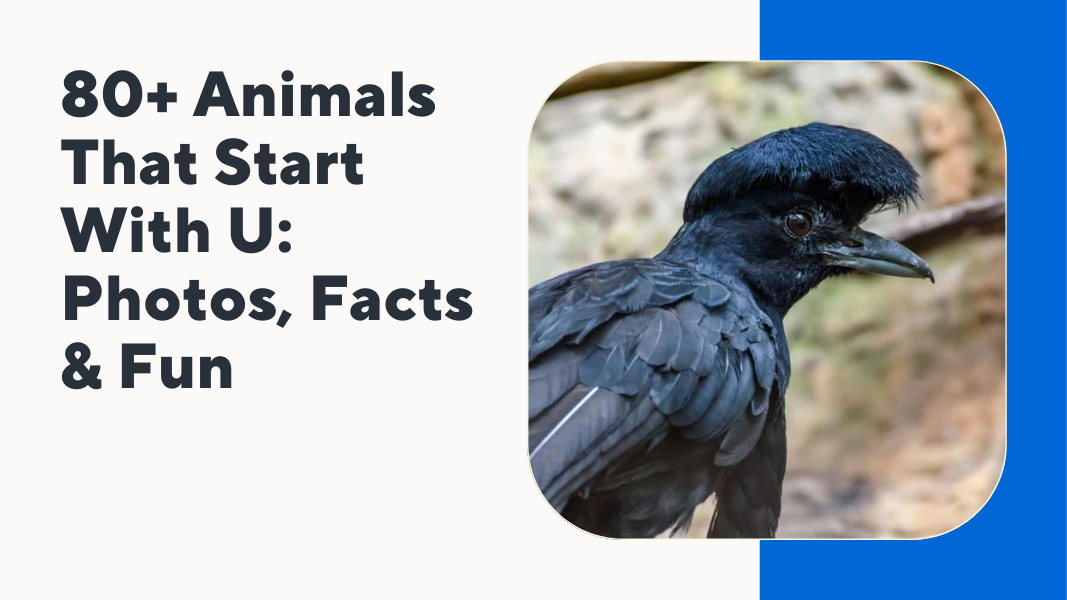
Named for its umbrella-like crest, this tropical bird lives in South American rainforests. Males have a throat wattle used to amplify deep booming calls. It feeds mostly on fruit and small invertebrates.
Fun Fact: Its calls can be heard from nearly a kilometer away.
Quick Facts
| Attribute | Detail |
|---|---|
| Size | 38–50 cm / 15–20 in |
| Weight | 320–570 g / 11.3–20 oz |
| Lifespan | 12–15 years |
| Habitat | Tropical rainforests |
| Diet | Fruit, insects |
| Social Structure | Solitary outside mating season |
| Conservation | Vulnerable |
| Fun Fact | Booming vocal sacs act like speakers. |
9. Urchin (class Echinoidea)
These spiny sea creatures live on the ocean floor, particularly in rocky coastal areas. Sea urchins use tube feet to move and feed primarily on algae. Their round, spiked shells provide protection from predators.
Fun Fact: Some urchins can regenerate lost spines and tube feet.
Quick Facts
| Attribute | Detail |
|---|---|
| Size | 3–10 cm / 1.2–4 in (diameter) |
| Weight | 30–200 g / 1–7 oz |
| Lifespan | 30+ years |
| Habitat | Ocean floor, coral reefs |
| Diet | Algae, detritus |
| Social Structure | Solitary |
| Conservation | Least Concern |
| Fun Fact | Can regrow their spines after damage. |
10. Ural Owl (Strix uralensis)
Native to Europe and Asia, the Ural Owl has a rounded head and gray-brown feathers. It nests in tree cavities and preys on rodents and small birds. These owls are highly territorial and active mostly at dusk and dawn.
Fun Fact: Unlike many owls, it can be active during the day.
Quick Facts
| Attribute | Detail |
|---|---|
| Size | 50–59 cm / 19–23 in |
| Weight | 500–1300 g / 1.1–2.8 lbs |
| Lifespan | Up to 20 years |
| Habitat | Forests, especially boreal zones |
| Diet | Rodents, birds, insects |
| Social Structure | Monogamous pairs |
| Conservation | Least Concern |
| Fun Fact | Known to hunt in daylight too. |
11. Uluguru Bushshrike (Malaconotus alius)
This striking green and orange bird is endemic to Tanzania’s Uluguru Mountains. It thrives in montane forests and is very elusive. Feeding mostly on insects, it’s rarely seen and was once thought extinct.
Fun Fact: It was rediscovered in 1990 after decades without sightings.
Quick Facts
| Attribute | Detail |
|---|---|
| Size | 18–20 cm / 7–8 in |
| Weight | ~30 g / 1 oz |
| Lifespan | Unknown |
| Habitat | Montane forests |
| Diet | Insects |
| Social Structure | Pairs or solitary |
| Conservation | Endangered |
| Fun Fact | Thought extinct until rediscovery in 1990. |
12. Unau (Bradypus variegatus)
Also known as the two-toed sloth, the Unau lives in Central and South American rainforests. It’s slow-moving, arboreal, and nocturnal. Covered in algae-coated fur, it feeds on leaves and flowers.
Fun Fact: Its slow metabolism allows it to go days without eating.
Quick Facts
| Attribute | Detail |
|---|---|
| Size | 58–70 cm / 23–28 in |
| Weight | 4–8 kg / 8.8–17.6 lbs |
| Lifespan | Up to 30 years |
| Habitat | Tropical forests |
| Diet | Leaves, fruits, flowers |
| Social Structure | Solitary |
| Conservation | Least Concern |
| Fun Fact | Moves so slowly algae grows on its fur. |
13. Uvea Parakeet (Eunymphicus uvaeensis)
Native to the island of Uvea in New Caledonia, this rare green parrot is known for its curved orange beak. It nests in tree cavities and feeds on seeds and fruit.
Fun Fact: Its population is under 1,000 individuals in the wild.
Quick Facts
| Attribute | Detail |
|---|---|
| Size | 28 cm / 11 in |
| Weight | ~140 g / 4.9 oz |
| Lifespan | Up to 20 years |
| Habitat | Island forests |
| Diet | Seeds, fruits |
| Social Structure | Small flocks |
| Conservation | Endangered |
| Fun Fact | Fewer than 1,000 remain in the wild. |
14. Utah Prairie Dog (Cynomys parvidens)
Endemic to Utah, this small ground squirrel lives in colonies called “towns.” It constructs intricate burrow systems and plays an important ecological role.
Fun Fact: They use over 20 distinct alarm calls to warn others.
Quick Facts
| Attribute | Detail |
|---|---|
| Size | 30–36 cm / 11.8–14.2 in |
| Weight | 0.7–1.4 kg / 1.5–3.1 lbs |
| Lifespan | 3–8 years |
| Habitat | Grasslands, deserts |
| Diet | Grasses, seeds, insects |
| Social Structure | Colonies |
| Conservation | Threatened |
| Fun Fact | Has a complex language of warning calls. |
15. Upland Chorus Frog (Pseudacris feriarum)
A small North American amphibian found in woodlands and meadows. It breeds in temporary ponds and is recognized by its trilling call during spring.
Fun Fact: Males form large nighttime choruses during mating season.
Quick Facts
| Attribute | Detail |
|---|---|
| Size | 2.5–4 cm / 1–1.5 in |
| Weight | ~3 g / 0.1 oz |
| Lifespan | 2–5 years |
| Habitat | Wet meadows, woodlands |
| Diet | Insects, small arthropods |
| Social Structure | Aggregated during breeding |
| Conservation | Least Concern |
| Fun Fact | Males sing in mass to attract mates. |
16. Upland Moa (Megalapteryx didinus)
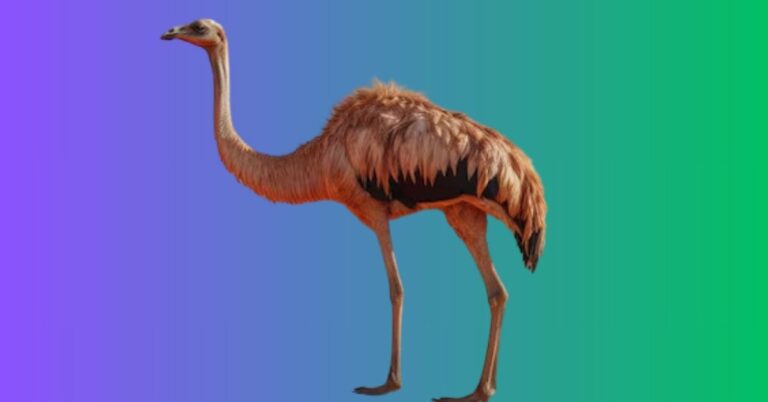
Now extinct, the Upland Moa was a flightless bird endemic to New Zealand. It inhabited mountainous regions and was covered in feathers for cold resistance. These herbivores were driven to extinction by overhunting and habitat loss.
Fun Fact: It was the last moa species to go extinct, likely around 1500 CE.
Quick Facts
| Attribute | Detail |
|---|---|
| Size | 1.3 m / 4.3 ft |
| Weight | ~30 kg / 66 lbs |
| Lifespan | Estimated 10–20 years |
| Habitat | Montane forests, highlands |
| Diet | Leaves, twigs, berries |
| Social Structure | Unknown (likely solitary) |
| Conservation | Extinct |
| Fun Fact | Survived longer than other moa species. |
17. Upland Goose (Chloephaga picta)
A large, ground-dwelling goose from southern South America, known for its sexual dimorphism—males are white, females are brown. Found in open grasslands and near lakes, they graze on vegetation.
Fun Fact: They form lifelong monogamous pairs.
Quick Facts
| Attribute | Detail |
|---|---|
| Size | 60–72 cm / 23–28 in |
| Weight | 2.5–3.1 kg / 5.5–6.8 lbs |
| Lifespan | Up to 15 years |
| Habitat | Patagonian grasslands, wetlands |
| Diet | Grass, aquatic plants |
| Social Structure | Pairs or small family groups |
| Conservation | Least Concern |
| Fun Fact | Mates for life. |
18. Unicolor Cribo (Drymarchon melanurus unicolor)
This large, non-venomous snake is native to Central America. It’s a fast-moving predator that eats other snakes, rodents, and amphibians. Its glossy black body gives it a dramatic appearance.
Fun Fact: It’s immune to pit viper venom and often preys on venomous snakes.
Quick Facts
| Attribute | Detail |
|---|---|
| Size | 2–2.7 m / 6.5–9 ft |
| Weight | ~3–4 kg / 6.6–8.8 lbs |
| Lifespan | 10–15 years |
| Habitat | Forests, grasslands |
| Diet | Snakes, rodents, frogs |
| Social Structure | Solitary |
| Conservation | Least Concern |
| Fun Fact | Feeds on venomous snakes. |
19. Uropeltis Woodmasoni (Woodmason’s Shieldtail)
A rare, burrowing snake from India’s Western Ghats. This species has a blunt head and tail, ideal for digging. It lives underground and feeds on soft-bodied invertebrates.
Fun Fact: It rarely surfaces, making it one of the least-studied snakes.
Quick Facts
| Attribute | Detail |
|---|---|
| Size | ~25 cm / 10 in |
| Weight | ~60 g / 2 oz |
| Lifespan | Unknown |
| Habitat | Moist forests, underground |
| Diet | Worms, larvae |
| Social Structure | Solitary |
| Conservation | Data Deficient |
| Fun Fact | Almost never seen above ground. |
20. Upside-Down Catfish (Synodontis nigriventris)
Native to the Congo Basin, this small catfish swims upside down to feed on the water surface and underside of submerged objects. It’s a popular aquarium species due to its quirky behavior.
Fun Fact: Its belly is darker than its back—opposite of most fish—for camouflage while upside down.
Quick Facts
| Attribute | Detail |
|---|---|
| Size | 6–10 cm / 2.3–4 in |
| Weight | ~15–25 g / 0.5–0.9 oz |
| Lifespan | 5–7 years |
| Habitat | Freshwater rivers, Congo Basin |
| Diet | Algae, insects, detritus |
| Social Structure | Small groups |
| Conservation | Least Concern |
| Fun Fact | Swims upside down to feed more effectively. |
21. Utah Blind Mole Rat (Spalax Utahensis)
This subterranean rodent is specially adapted to life underground, with no functional eyes and a cylindrical body. It burrows through dry, hard soils and feeds on roots and tubers. It’s part of a group known for their resilience to low-oxygen environments.
Fun Fact: It can survive without oxygen for over 18 minutes—longer than dolphins.
Quick Facts
| Attribute | Detail |
|---|---|
| Size | 15–20 cm / 6–8 in |
| Weight | ~100–200 g / 3.5–7 oz |
| Lifespan | Up to 20 years |
| Habitat | Underground, arid regions |
| Diet | Roots, tubers |
| Social Structure | Solitary |
| Conservation | Data Deficient |
| Fun Fact | Can survive extreme oxygen deprivation. |
22. Unarmed Wrasse (Halichoeres unilineatus)
This colorful reef fish is found in the Indo-Pacific. It plays an important role in cleaning parasites off larger fish. It has an elongated body with iridescent patterns and is often seen darting around coral formations.
Fun Fact: Changes color and sex as it matures.
Quick Facts
| Attribute | Detail |
|---|---|
| Size | 10–15 cm / 4–6 in |
| Weight | ~30 g / 1 oz |
| Lifespan | 5–7 years |
| Habitat | Coral reefs |
| Diet | Small invertebrates, parasites |
| Social Structure | Groups or harems |
| Conservation | Least Concern |
| Fun Fact | Can transition from female to male. |
23. Ulrey’s Tetra (Hemigrammus ulreyi)
A small, peaceful freshwater fish popular in aquariums. It has a silvery body with a distinct horizontal stripe. Native to South American rivers, it thrives in schools and feeds on microinvertebrates.
Fun Fact: It glows slightly under dim lighting due to iridescent scales.
Quick Facts
| Attribute | Detail |
|---|---|
| Size | 4–5 cm / 1.5–2 in |
| Weight | ~2–3 g / 0.07–0.1 oz |
| Lifespan | 3–5 years |
| Habitat | Freshwater rivers, aquariums |
| Diet | Insects, worms, plant matter |
| Social Structure | Schooling |
| Conservation | Least Concern |
| Fun Fact | Shimmers beautifully in soft lighting. |
24. Uaru Cichlid (Uaru amphiacanthoides)
Also known as the triangle cichlid, this South American freshwater fish is intelligent and social. It thrives in slow-moving waters and is valued in aquariums for its calm temperament and parental care.
Fun Fact: Known to recognize its owners and accept food from their hands.
Quick Facts
| Attribute | Detail |
|---|---|
| Size | 25–30 cm / 10–12 in |
| Weight | ~500–600 g / 1.1–1.3 lbs |
| Lifespan | 8–10 years |
| Habitat | Slow rivers, Amazon Basin |
| Diet | Plant matter, algae |
| Social Structure | Pairs |
| Conservation | Least Concern |
| Fun Fact | Displays parental bonding behavior. |
25. Urutu Pit Viper (Bothrops alternatus)
Found in parts of South America, this venomous snake has a thick body and diamond-like patterns. It hides in leaf litter and ambushes small mammals and birds. Bites can be dangerous, but it usually avoids humans.
Fun Fact: Females give birth to live young instead of laying eggs.
Quick Facts
| Attribute | Detail |
|---|---|
| Size | 1–1.5 m / 3.2–5 ft |
| Weight | ~2–3 kg / 4.4–6.6 lbs |
| Lifespan | 10–15 years |
| Habitat | Forests, grasslands |
| Diet | Rodents, birds |
| Social Structure | Solitary |
| Conservation | Least Concern |
| Fun Fact | Gives birth to live offspring. |
26. Unicolored Jay (Aphelocoma unicolor)
This striking blue-gray bird lives in highland forests of Central America. It’s social and intelligent, often seen in noisy flocks. It feeds on seeds, fruits, and small insects.
Fun Fact: Exhibits cooperative breeding—helpers assist in raising chicks.
Quick Facts
| Attribute | Detail |
|---|---|
| Size | 30 cm / 12 in |
| Weight | ~80–100 g / 2.8–3.5 oz |
| Lifespan | 8–10 years |
| Habitat | Cloud forests |
| Diet | Fruits, seeds, insects |
| Social Structure | Flocks with helpers |
| Conservation | Near Threatened |
| Fun Fact | Known for team-based parenting. |
27. Underwing Moth (Catocala spp.)
Named for its brilliantly colored underwings, this nocturnal moth uses camouflage and surprise to evade predators. Found in temperate forests across the world.
Fun Fact: Its dull forewings help it blend in, but it flashes bright hindwings to confuse threats.
Quick Facts
| Attribute | Detail |
|---|---|
| Size | Wingspan 5–9 cm / 2–3.5 in |
| Weight | ~1–2 g / 0.03–0.07 oz |
| Lifespan | 1–2 months (adult stage) |
| Habitat | Woodlands, gardens |
| Diet | Nectar (adults), leaves (larvae) |
| Social Structure | Solitary |
| Conservation | Least Concern |
| Fun Fact | Uses sudden color flashes as defense. |
28. Unalaska Collared Lemming (Dicrostonyx unalascensis)
A cold-climate rodent found in the Aleutian Islands, it burrows in snow and tundra. It molts from brown to white in winter for camouflage.
Fun Fact: One of few mammals with seasonal fur color change.
Quick Facts
| Attribute | Detail |
|---|---|
| Size | 10–15 cm / 4–6 in |
| Weight | ~40–60 g / 1.4–2.1 oz |
| Lifespan | 1–2 years |
| Habitat | Arctic tundra |
| Diet | Grasses, roots, moss |
| Social Structure | Small colonies |
| Conservation | Least Concern |
| Fun Fact | Changes fur color with seasons. |
29. Uropeltis macrorhyncha (Long-nosed Shieldtail)
This burrowing snake from southern India has a pointed snout and short tail used for digging. It’s elusive and rarely observed in the wild.
Fun Fact: It uses its head like a shovel to tunnel underground.
Quick Facts
| Attribute | Detail |
|---|---|
| Size | 20–30 cm / 8–12 in |
| Weight | ~50 g / 1.8 oz |
| Lifespan | Unknown |
| Habitat | Moist soil, forest floor |
| Diet | Earthworms, larvae |
| Social Structure | Solitary |
| Conservation | Data Deficient |
| Fun Fact | Head is shaped for perfect tunneling. |
30. Usambara Eagle-Owl (Bubo vosseleri)
This rare owl is endemic to Tanzania’s Usambara Mountains. It’s large, with feathered tufts and piercing orange eyes. Nocturnal and secretive, it hunts rodents and insects.
Fun Fact: First described in 1926, it remains one of the least-known owl species.
Quick Facts
| Attribute | Detail |
|---|---|
| Size | ~50 cm / 20 in |
| Weight | ~1.5 kg / 3.3 lbs |
| Lifespan | Estimated 15–20 years |
| Habitat | Montane forests |
| Diet | Rodents, insects, birds |
| Social Structure | Solitary |
| Conservation | Endangered |
| Fun Fact | One of Africa’s most mysterious owls. |
31. Uperodon Taprobanicus (Sri Lankan Bullfrog)
This burrowing amphibian is found in Sri Lanka and parts of India. It has a stout, round body and often emerges after heavy rains to breed in temporary pools. It feeds on ants and termites.
Fun Fact: Despite being a frog, it can survive long dry spells by burrowing underground.
Quick Facts
| Attribute | Detail |
|---|---|
| Size | 4–6 cm / 1.5–2.3 in |
| Weight | ~10–20 g / 0.3–0.7 oz |
| Lifespan | 5–7 years |
| Habitat | Forest floor, rice paddies |
| Diet | Ants, termites, insects |
| Social Structure | Solitary |
| Conservation | Least Concern |
| Fun Fact | Buries itself to survive dry seasons. |
32. Upland Pipit (Anthus sylvanus)
This high-altitude songbird lives in grasslands and foothills of South and Southeast Asia. It’s brown with subtle streaks and builds nests in tall grass. Its melodious calls echo across hills.
Fun Fact: Performs flight displays that include hovering and gliding.
Quick Facts
| Attribute | Detail |
|---|---|
| Size | 15–17 cm / 6–6.7 in |
| Weight | ~25 g / 0.9 oz |
| Lifespan | Up to 5 years |
| Habitat | Highland grasslands |
| Diet | Insects, seeds |
| Social Structure | Solitary or small flocks |
| Conservation | Least Concern |
| Fun Fact | Known for elegant flight displays. |
33. Uropeltis ellioti (Elliot’s Shieldtail)
A small, burrowing snake native to southern India. It has a blunt tail and narrow snout, adapted for a life underground. It’s harmless and rarely encountered.
Fun Fact: It’s sometimes mistaken for an earthworm due to its size and shape.
Quick Facts
| Attribute | Detail |
|---|---|
| Size | 25–30 cm / 10–12 in |
| Weight | ~40 g / 1.4 oz |
| Lifespan | Unknown |
| Habitat | Forests, under leaf litter |
| Diet | Worms, larvae |
| Social Structure | Solitary |
| Conservation | Data Deficient |
| Fun Fact | Looks almost identical to a worm. |
34. Unicolored Blackbird (Agelasticus cyanopus)
Found in South American wetlands, this bird is all-black with subtle blue gloss. Males sing from reeds to attract mates. It thrives in marshes and wet meadows.
Fun Fact: One of the few blackbird species adapted fully to aquatic habitats.
Quick Facts
| Attribute | Detail |
|---|---|
| Size | ~20 cm / 8 in |
| Weight | ~60 g / 2.1 oz |
| Lifespan | 6–8 years |
| Habitat | Marshes, swamps |
| Diet | Insects, seeds |
| Social Structure | Pairs or flocks |
| Conservation | Least Concern |
| Fun Fact | Sings from reedtops during mating. |
35. Uakari Tamarin (hypothetical/folkloric hybrid)
Sometimes confused in folklore with monkeys like the Uakari and tamarins, this “hybrid” doesn’t exist in taxonomy but appears in local myths of the Amazon. Stories describe it as a red-faced monkey with golden fur and an unusually loud call.
Fun Fact: It’s often used in children’s jungle stories across rural Peru.
Quick Facts
| Attribute | Detail |
|---|---|
| Size | Fictional |
| Weight | Fictional |
| Lifespan | Fictional |
| Habitat | Folklore |
| Diet | Fictional |
| Social Structure | Fictional |
| Conservation | Not applicable |
| Fun Fact | Folklore monkey often used in stories. |
36. Ussuri Brown Bear (Ursus arctos lasiotus)
A subspecies of the brown bear found in the Russian Far East and northern Japan. It’s one of the largest carnivores in Asia and plays an important role in forest ecosystems.
Fun Fact: Can weigh up to 600 kg in the wild—heavier than a polar bear.
Quick Facts
| Attribute | Detail |
|---|---|
| Size | 1.9–2.4 m / 6.2–7.9 ft |
| Weight | 270–600 kg / 595–1320 lbs |
| Lifespan | 20–30 years |
| Habitat | Temperate forests, mountains |
| Diet | Berries, fish, mammals |
| Social Structure | Solitary |
| Conservation | Least Concern |
| Fun Fact | Among the heaviest of all bear species. |
37. Uluguru Violet-Backed Sunbird (Anthreptes neglectus)
A tiny, iridescent bird found in East Africa’s Uluguru Mountains. Males flash metallic blue and violet shades. These nectar-feeders help pollinate native flowers.
Fun Fact: Its wingbeat sounds like a soft buzz when hovering near flowers.
Quick Facts
| Attribute | Detail |
|---|---|
| Size | ~10 cm / 4 in |
| Weight | ~7–10 g / 0.25–0.35 oz |
| Lifespan | ~5 years |
| Habitat | Forest canopies |
| Diet | Nectar, small insects |
| Social Structure | Pairs or solitary |
| Conservation | Near Threatened |
| Fun Fact | Helps pollinate tropical flowers. |
38. Uropeltis woodmasoni (Woodmason’s Shieldtail)
This rare snake species is native to India and remains mostly underground. It has a tail tip that resembles a spade and is used to block tunnels from predators.
Fun Fact: When threatened, it plugs its burrow entrance with its tail.
Quick Facts
| Attribute | Detail |
|---|---|
| Size | 20–30 cm / 8–12 in |
| Weight | ~50 g / 1.8 oz |
| Lifespan | Unknown |
| Habitat | Tropical forest soil |
| Diet | Worms, larvae |
| Social Structure | Solitary |
| Conservation | Data Deficient |
| Fun Fact | Tail functions as a living door. |
39. Uropeltis nitida (Nilgiri Shieldtail)
A glossy, dark brown snake found in the Nilgiri Hills of India. It’s fossorial (burrowing) and rarely seen. Prefers moist leaf litter and is non-venomous.
Fun Fact: Shiny scales help repel water while burrowing in wet soil.
Quick Facts
| Attribute | Detail |
|---|---|
| Size | 18–24 cm / 7–9.5 in |
| Weight | ~35–50 g / 1.2–1.7 oz |
| Lifespan | Unknown |
| Habitat | Mountain forests |
| Diet | Earthworms, insects |
| Social Structure | Solitary |
| Conservation | Data Deficient |
| Fun Fact | Highly reflective skin helps repel moisture. |
40. Upemba Lechwe (Kobus ansellii)
A rare, semi-aquatic antelope found in the Upemba wetlands of the Democratic Republic of the Congo. It wades through marshes and feeds on aquatic grasses.
Fun Fact: Has specialized hooves that prevent sinking into mud.
Quick Facts
| Attribute | Detail |
|---|---|
| Size | 90–100 cm / 35–39 in (shoulder) |
| Weight | 70–120 kg / 154–264 lbs |
| Lifespan | 10–12 years |
| Habitat | Swamps, floodplains |
| Diet | Aquatic plants |
| Social Structure | Small herds |
| Conservation | Endangered |
| Fun Fact | Adapted hooves help in wet terrain. |
41. Underwood’s Bonneted Bat (Eumops underwoodi)
This large, fast-flying bat is found in the southern United States and Mexico. It prefers roosting in tree hollows and rock crevices and hunts flying insects at dusk.
Fun Fact: It can reach speeds up to 160 km/h (99 mph)—one of the fastest mammals in level flight.
Quick Facts
| Attribute | Detail |
|---|---|
| Size | 14–17 cm / 5.5–6.7 in (wingspan: 50 cm / 20 in) |
| Weight | 50–60 g / 1.7–2.1 oz |
| Lifespan | 10–12 years |
| Habitat | Forests, cliffs, buildings |
| Diet | Flying insects |
| Social Structure | Small colonies |
| Conservation | Least Concern |
| Fun Fact | Among the fastest flying mammals. |
42. Ussuri Boar (Sus scrofa ussuricus)
A subspecies of wild boar native to the Russian Far East and parts of China and Korea. It’s larger and shaggier than European boars and can endure extreme cold.
Fun Fact: It plows through deep snow to find food using its tusks.
Quick Facts
| Attribute | Detail |
|---|---|
| Size | 120–160 cm / 47–63 in |
| Weight | 150–300 kg / 330–660 lbs |
| Lifespan | 8–10 years |
| Habitat | Forests, woodlands |
| Diet | Roots, acorns, small animals |
| Social Structure | Groups (sounders) |
| Conservation | Least Concern |
| Fun Fact | Uses tusks to dig under snowpack. |
43. Ural Field Mouse (Apodemus uralensis)
A small rodent native to Eastern Europe and parts of Asia. It lives in grassy fields and forest edges and is nocturnal. It plays a vital role in seed dispersal and is prey for many predators.
Fun Fact: Builds spherical nests underground or under logs.
Quick Facts
| Attribute | Detail |
|---|---|
| Size | 8–11 cm / 3.1–4.3 in |
| Weight | 15–25 g / 0.5–0.9 oz |
| Lifespan | 1–2 years |
| Habitat | Grasslands, open woodlands |
| Diet | Seeds, berries, insects |
| Social Structure | Solitary |
| Conservation | Least Concern |
| Fun Fact | Builds cozy, ball-shaped nests. |
44. Uvea Ground Dove (Gallicolumba sanctaecrucis)
This extremely rare bird is endemic to Uvea Island in the South Pacific. It is elusive and spends most of its time hidden in dense forest floor vegetation.
Fun Fact: Its population is estimated at fewer than 100 individuals.
Quick Facts
| Attribute | Detail |
|---|---|
| Size | 23–26 cm / 9–10 in |
| Weight | ~150 g / 5.3 oz |
| Lifespan | Unknown |
| Habitat | Lowland forests |
| Diet | Seeds, insects |
| Social Structure | Solitary or pairs |
| Conservation | Critically Endangered |
| Fun Fact | One of the world’s rarest doves. |
45. Undulated Tinamou (Crypturellus undulatus)
This shy ground bird is found in South American forests and scrublands. It has cryptic plumage and a melodious, whistling call. Tinamous are one of the most ancient groups of birds.
Fun Fact: Despite looking like quail, they’re related to ostriches and emus.
Quick Facts
| Attribute | Detail |
|---|---|
| Size | 27–30 cm / 10.6–11.8 in |
| Weight | ~500 g / 1.1 lbs |
| Lifespan | 6–8 years |
| Habitat | Forest floor, grasslands |
| Diet | Fruits, insects, seeds |
| Social Structure | Solitary |
| Conservation | Least Concern |
| Fun Fact | Related to ostriches and emus. |
46. Underwood’s Water Mouse (Rheomys underwoodi)
A semi-aquatic rodent found in Costa Rica and Panama. It lives near streams and is a rare swimmer among rodents, hunting aquatic insects and small invertebrates.
Fun Fact: It has water-repellent fur and partially webbed feet.
Quick Facts
| Attribute | Detail |
|---|---|
| Size | 12–15 cm / 4.7–5.9 in |
| Weight | ~25–35 g / 0.9–1.2 oz |
| Lifespan | Unknown |
| Habitat | Mountain streams |
| Diet | Aquatic insects, snails |
| Social Structure | Solitary |
| Conservation | Least Concern |
| Fun Fact | Swims to catch aquatic prey. |
47. Uperodon globulosus (Balloon Frog)
This frog gets its name from its inflated, spherical body when puffed up in defense. It’s found in India and Bangladesh and stays buried for most of the year.
Fun Fact: Inflates like a balloon to deter predators.
Quick Facts
| Attribute | Detail |
|---|---|
| Size | 5–6.5 cm / 2–2.5 in |
| Weight | ~15–25 g / 0.5–0.9 oz |
| Lifespan | 4–6 years |
| Habitat | Moist soil, under logs |
| Diet | Ants, termites |
| Social Structure | Solitary |
| Conservation | Least Concern |
| Fun Fact | Puffs up to scare attackers. |
48. Uropeltis ocellata (Ocellated Shieldtail)
This Indian snake has a beautiful iridescent body with eye-like spots (“ocelli”) near its tail. It burrows deep and is very shy.
Fun Fact: Its ocelli may confuse predators about which end is the head.
Quick Facts
| Attribute | Detail |
|---|---|
| Size | 25–35 cm / 10–13.7 in |
| Weight | ~60 g / 2.1 oz |
| Lifespan | Unknown |
| Habitat | Moist deciduous forests |
| Diet | Earthworms, soft insects |
| Social Structure | Solitary |
| Conservation | Data Deficient |
| Fun Fact | Has “false eyes” near its tail. |
49. Usambara Thrush (Turdus roehli)
A songbird endemic to Tanzania’s Usambara Mountains. It resembles a blackbird and sings a beautiful, flute-like tune. It’s highly sensitive to habitat loss.
Fun Fact: Its song is often mistaken for that of a European blackbird.
Quick Facts
| Attribute | Detail |
|---|---|
| Size | ~25 cm / 10 in |
| Weight | ~90 g / 3.2 oz |
| Lifespan | 6–9 years |
| Habitat | Highland forests |
| Diet | Insects, fruit |
| Social Structure | Pairs |
| Conservation | Vulnerable |
| Fun Fact | Sounds like blackbirds in Europe. |
50. Upper Amazon Toad (Rhinella margaritifera)
This rainforest-dwelling toad blends perfectly with dead leaves on the forest floor. It ranges from Colombia to Brazil and is active mostly at night.
Fun Fact: Its rough skin resembles decaying leaves.
Quick Facts
| Attribute | Detail |
|---|---|
| Size | 5–9 cm / 2–3.5 in |
| Weight | ~30–50 g / 1–1.7 oz |
| Lifespan | 8–10 years |
| Habitat | Rainforest floor |
| Diet | Insects, spiders |
| Social Structure | Solitary |
| Conservation | Least Concern |
| Fun Fact | Camouflaged like a leaf. |
51. Uperodon anamalaiensis (Anamalai Dot Frog)
This rare microhylid frog is native to the Anamalai Hills in southern India. It is tiny, terrestrial, and mostly active during the monsoon season. Its brown body is dotted with fine yellow spots.
Fun Fact: It was rediscovered in 2010 after being unseen for nearly 80 years.
Quick Facts
| Attribute | Detail |
|---|---|
| Size | 2.5–3 cm / 1–1.2 in |
| Weight | ~3–5 g / 0.1–0.2 oz |
| Lifespan | Unknown |
| Habitat | Forest floor, leaf litter |
| Diet | Small invertebrates |
| Social Structure | Solitary |
| Conservation | Data Deficient |
| Fun Fact | Thought extinct, then rediscovered after 8 decades. |
52. Ucayali Spiny Rat (Proechimys ucayalensis)
A nocturnal rodent found in the Amazon rainforest of Peru. It has stiff, protective fur and a short tail. Lives in burrows and feeds on seeds, fruits, and vegetation.
Fun Fact: Its spiny fur helps protect it from predators in dense jungle undergrowth.
Quick Facts
| Attribute | Detail |
|---|---|
| Size | 20–25 cm / 8–10 in |
| Weight | 200–300 g / 7–10.5 oz |
| Lifespan | ~4–6 years |
| Habitat | Tropical forest floor |
| Diet | Seeds, fruits, roots |
| Social Structure | Solitary or small groups |
| Conservation | Least Concern |
| Fun Fact | Has stiff, spine-like fur for defense. |
53. Underwood’s Long-Tongued Bat (Hylonycteris underwoodi)
A nectar-feeding bat from Central America, specially adapted to feed on flowers. Its long tongue extends far beyond its snout to collect nectar, aiding in plant pollination.
Fun Fact: Its tongue can be 1.5 times longer than its head.
Quick Facts
| Attribute | Detail |
|---|---|
| Size | 4.5–6 cm / 1.7–2.3 in |
| Weight | ~10 g / 0.35 oz |
| Lifespan | 5–8 years |
| Habitat | Forests, caves, near flowering trees |
| Diet | Nectar, pollen |
| Social Structure | Roosting groups |
| Conservation | Least Concern |
| Fun Fact | Uses its super-long tongue to sip nectar. |
54. Usambara Shrew (Myosorex geata)
Endemic to the Usambara Mountains of Tanzania, this small insectivore is rarely seen and poorly studied. It prefers moist mountain forests and has a pointed snout and soft brown fur.
Fun Fact: Plays a key role in controlling forest insect populations.
Quick Facts
| Attribute | Detail |
|---|---|
| Size | 6–9 cm / 2.3–3.5 in |
| Weight | ~10–15 g / 0.35–0.52 oz |
| Lifespan | 1–2 years |
| Habitat | Montane forests |
| Diet | Insects, larvae |
| Social Structure | Solitary |
| Conservation | Endangered |
| Fun Fact | Controls pest populations naturally. |
55. Upland Forest Snake (Thamnodynastes pallidus)
A mildly venomous colubrid snake found in forested upland areas of South America. It’s rear-fanged and feeds on frogs, small lizards, and insects.
Fun Fact: Its venom is harmless to humans but useful for subduing prey.
Quick Facts
| Attribute | Detail |
|---|---|
| Size | 40–70 cm / 16–27.5 in |
| Weight | ~80–100 g / 2.8–3.5 oz |
| Lifespan | 6–10 years |
| Habitat | Upland tropical forests |
| Diet | Amphibians, insects |
| Social Structure | Solitary |
| Conservation | Least Concern |
| Fun Fact | Rear-fanged with mild venom. |
56. Umbrella Octopus (Opisthoteuthis spp.)
Named for the webbing between its arms, this deep-sea octopus unfurls its “umbrella” to startle predators. Lives in the twilight zone of the ocean and is rarely seen by humans.
Fun Fact: Can float passively by using its gelatinous body like a parachute.
Quick Facts
| Attribute | Detail |
|---|---|
| Size | 20–30 cm / 8–12 in |
| Weight | ~1–2 kg / 2.2–4.4 lbs |
| Lifespan | Unknown |
| Habitat | Deep ocean, 200–1000 m |
| Diet | Small crustaceans, plankton |
| Social Structure | Solitary |
| Conservation | Data Deficient |
| Fun Fact | Uses umbrella-like webbing as a shield. |
57. Ussuri Mole (Mogera robusta)
A subterranean mammal from northeastern Asia. It’s a powerful digger with broad, spade-like forepaws and lives in a complex tunnel system.
Fun Fact: Can dig up to 20 meters of tunnel per night.
Quick Facts
| Attribute | Detail |
|---|---|
| Size | 12–15 cm / 4.7–6 in |
| Weight | 60–90 g / 2.1–3.1 oz |
| Lifespan | 2–4 years |
| Habitat | Moist soil, forests, fields |
| Diet | Earthworms, insects |
| Social Structure | Solitary |
| Conservation | Least Concern |
| Fun Fact | Digs extensive tunnels each night. |
58. Usambara Vine Snake (Thelotornis usambaricus)
A slender, tree-dwelling snake from Tanzania’s mountain forests. Highly camouflaged, it mimics twigs and branches. Its venom is potent but it poses no threat to humans due to rear-fanged anatomy.
Fun Fact: Its slow, swaying motion mimics a leaf in the wind.
Quick Facts
| Attribute | Detail |
|---|---|
| Size | 80–120 cm / 31–47 in |
| Weight | ~150–200 g / 5.3–7 oz |
| Lifespan | Unknown |
| Habitat | Tropical forests |
| Diet | Lizards, frogs |
| Social Structure | Solitary |
| Conservation | Vulnerable |
| Fun Fact | Moves like a leaf to avoid detection. |
59. Ucayali River Dolphin (Inia geoffrensis ucayalensis)
A subspecies of the Amazon river dolphin found in the Ucayali River in Peru. It’s pinkish-gray and uses echolocation to hunt in murky waters.
Fun Fact: Its flexible neck allows it to turn its head 180 degrees.
Quick Facts
| Attribute | Detail |
|---|---|
| Size | 2–2.5 m / 6.5–8.2 ft |
| Weight | 85–160 kg / 187–352 lbs |
| Lifespan | 30+ years |
| Habitat | Amazon basin, freshwater rivers |
| Diet | Fish, crustaceans |
| Social Structure | Pairs or small groups |
| Conservation | Endangered |
| Fun Fact | Neck vertebrae allow head-turning like humans. |
60. Uluguru Forest Gecko (Hemidactylus sp.)
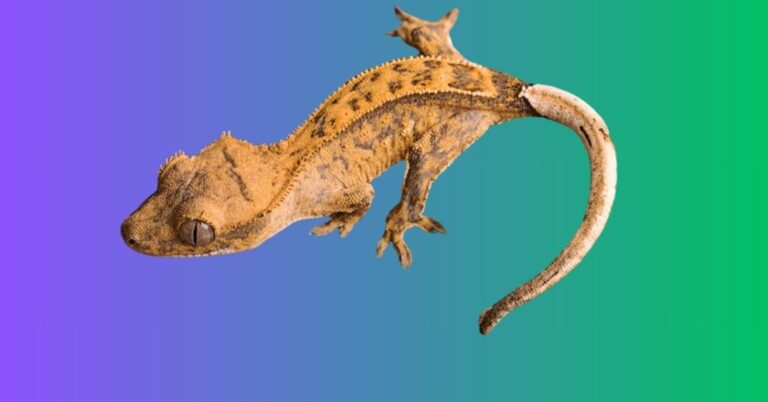
A cryptic gecko species only known from Tanzania’s Uluguru Mountains. It is nocturnal, insectivorous, and lives among mossy rocks and trees.
Fun Fact: Its skin blends so well with lichen-covered trees that it’s nearly invisible.
Quick Facts
| Attribute | Detail |
|---|---|
| Size | ~10 cm / 4 in |
| Weight | ~10 g / 0.35 oz |
| Lifespan | 5–8 years |
| Habitat | Highland forests, rocky outcrops |
| Diet | Insects, spiders |
| Social Structure | Solitary |
| Conservation | Vulnerable |
| Fun Fact | Camouflages perfectly with mossy bark. |
Read: Animals That Start With AP
Read: Animals That Start With W
Read: Animals That Start With I
Read: Animes That Start With K
Read: Animals That Start With H
FAQs About These Unique Creatures
What kinds of animals start with the letter U?
Animals that start with U include a mix of mammals (like the Uakari and Urial), birds (like the Upland Goose), reptiles, amphibians, and marine species like the Unicornfish and Umbrella Octopus. It’s a surprisingly diverse group.
Are there any endangered animals that start with U?
Yes, several U-named animals are endangered or critically endangered, such as the Uvea Ground Dove, Usambara Shrew, and Ucayali River Dolphin. Many face threats from habitat loss, pollution, or climate change.
Which is the most interesting animal starting with U?
That depends on your interest! The Uakari is notable for its red face, the Umbrella Octopus for its deep-sea theatrics, and the Usambara Vine Snake for its incredible camouflage.
Where are most U-named animals found?
Many animals starting with U are found in tropical or subtropical regions such as South America, Africa, and Southeast Asia. However, some like the Utah Prairie Dog and Ussuri Brown Bear are found in temperate zones too.
Why are animals organized by their starting letter in this list?
Organizing animals alphabetically—like all those starting with U—makes learning easier, especially for children, teachers, and researchers doing focused studies or building species inventories.
Conclusion
From underground rodents and unique monkeys to shy birds and deep-sea wonders, the world of animals that start with U is anything but ordinary. Though the letter U isn’t the most common in the animal kingdom, it introduces us to a fascinating range of species, some wildly unique, others critically endangered.
Exploring them deepens our appreciation for biodiversity and reminds us just how much there is still to discover. Let this list be your gateway to further curiosity, exploration, and conservation awareness.