80+ Animals That Start With I: Photos, Facts & Fun
Animals that start with I might not be the most common, but they represent a wide variety of life across the globe. From reptiles like iguanas basking in the sun to icy-climate invertebrates surviving in extreme environments, this list uncovers every known species that begins with the letter I. We’ve grouped them by type—mammals, birds, reptiles, fish, insects, and more—to bring structure to this diverse collection. Whether you’re researching for education, curiosity, or wildlife writing, this guide offers both depth and detail.
Get ready to explore the wild world of animals that start with I, complete with scientific names, fun facts, and conservation data.
Why Animal Names That Start With I Are So Intriguing
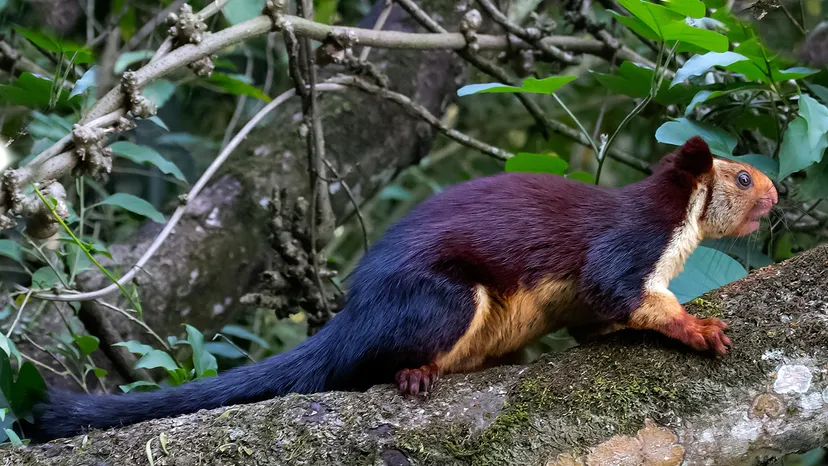
Naming conventions in biology often start with letters that reflect appearance, behavior, or indigenous language roots. The letter I in particular captures unique creatures across every class. From isolated island dwellers to iconic birds, animals starting with I tend to be rare, often overlooked, and incredibly interesting to learn about.
Mammals, Birds, Reptiles & More: 80+ Animals That Start With I
Each entry includes a short profile and a consistent quick facts table to make it easy to scan and learn. Let’s dive in.
1. Indian Elephant (Elephas maximus indicus)
The Indian elephant is a subspecies of the Asian elephant found primarily in forested regions of India, Nepal, and Bangladesh. These massive herbivores have smaller ears than their African relatives and are highly intelligent and social. They play an essential role in their ecosystems by dispersing seeds and creating clearings in dense forests. Indian elephants are revered in Indian culture but are under threat due to habitat fragmentation and poaching. They are classified as endangered by the IUCN.
Fun Fact: Indian elephants can recognize themselves in mirrors—a rare trait in the animal kingdom.
Quick Facts Table:
| Attribute | Detail |
|---|---|
| Size | 2.4–3 m (8–10 ft) |
| Weight | 2,000–5,000 kg (4,400–11,000 lb) |
| Lifespan | 48–60 years |
| Habitat | Tropical and subtropical forests |
| Diet | Grass, bark, fruit |
| Social Structure | Herd |
| Conservation | Endangered |
Fun Fact: Indian elephants are used in ceremonial processions in India.
2. Indian Cobra (Naja naja)
This highly venomous snake is native to the Indian subcontinent and is famous for its hood and role in traditional snake charming performances. Indian cobras are primarily terrestrial but can climb trees and swim well. They feed on rodents, frogs, and birds, and their venom is a potent neurotoxin. While dangerous, they generally avoid humans unless provoked.
Fun Fact: The Indian cobra features prominently in Hindu mythology.
Quick Facts Table:
| Attribute | Detail |
|---|---|
| Size | 1–1.5 m (3.3–5 ft) |
| Weight | 1.5–2.5 kg (3.3–5.5 lb) |
| Lifespan | 20–25 years |
| Habitat | Forests, fields, urban |
| Diet | Rodents, birds, frogs |
| Social Structure | Solitary |
| Conservation | Least Concern |
Fun Fact: When threatened, it flares its hood and emits a hiss before striking.
3. Indian Star Tortoise (Geochelone elegans)
Known for the star-like patterns on its shell, this tortoise inhabits dry areas and scrub forests of India and Sri Lanka. Its camouflage is so effective that it can disappear into its surroundings. Primarily herbivorous, it feeds on grasses, fruit, and flowers. Due to high demand in the illegal pet trade, it is listed as vulnerable.
Fun Fact: The star pattern breaks up its outline in the wild, making it hard to spot by predators.
Quick Facts Table:
| Attribute | Detail |
|---|---|
| Size | 15–28 cm (6–11 in) |
| Weight | 1–2.5 kg (2.2–5.5 lb) |
| Lifespan | 35–80 years |
| Habitat | Dry grasslands, scrub forests |
| Diet | Grasses, cactus, fruit |
| Social Structure | Solitary |
| Conservation | Vulnerable |
Fun Fact: Its shell is dome-shaped to roll back upright if flipped.
4. Indian Mongoose (Herpestes edwardsii)
This agile carnivore is found in forests and cultivated fields across India. It has a sleek body, pointed snout, and short legs—perfect for hunting snakes, birds, and rodents. The Indian mongoose is known for its resistance to snake venom and is celebrated for its ability to kill cobras.
Fun Fact: It’s one of the only animals brave enough to fight cobras—and win.
Quick Facts Table:
| Attribute | Detail |
|---|---|
| Size | 30–45 cm (12–18 in) |
| Weight | 1.5–2.5 kg (3.3–5.5 lb) |
| Lifespan | 7–12 years |
| Habitat | Grasslands, forests, farms |
| Diet | Snakes, birds, eggs, insects |
| Social Structure | Solitary |
| Conservation | Least Concern |
Fun Fact: Its lightning-quick reflexes help it dodge cobra strikes.
5. Indian Pangolin (Manis crassicaudata)
This nocturnal, armored mammal is covered in keratin scales and uses its long tongue to feed on ants and termites. Found in forests and grasslands, the Indian pangolin is solitary and shy. It’s heavily hunted for its scales, which are wrongly believed to have medicinal value.
Fun Fact: When threatened, it curls into a tight armored ball.
Quick Facts Table:
| Attribute | Detail |
|---|---|
| Size | 60–75 cm (24–30 in) |
| Weight | 10–16 kg (22–35 lb) |
| Lifespan | 10–15 years |
| Habitat | Forests, grasslands |
| Diet | Ants, termites |
| Social Structure | Solitary |
| Conservation | Endangered |
Fun Fact: Its tongue can extend longer than its body when feeding.
6. Indian Peafowl (Pavo cristatus)
Also known as the Indian peacock, this flamboyant bird is the national bird of India. Males are famous for their iridescent blue plumage and extravagant tail feathers, which they fan out during mating displays. Indian peafowl inhabit forests, farmlands, and temple grounds, feeding on insects, grains, and small reptiles.
Fun Fact: The “train” of the peacock’s tail can be over 60% of its total body length.
Quick Facts Table:
| Attribute | Detail |
|---|---|
| Size | 100–120 cm (3.3–4 ft) |
| Weight | 4–6 kg (8.8–13.2 lb) |
| Lifespan | 15–20 years |
| Habitat | Forest edges, farmlands |
| Diet | Grains, insects, reptiles |
| Social Structure | Loose flocks |
| Conservation | Least Concern |
Fun Fact: Only males have the iconic colorful tail feathers.
7. Indian Starling (Gracupica contra)
Also known as the pied myna, this social bird is native to the Indian subcontinent and is easily recognized by its black and white plumage with bright orange beak and eye patches. Indian starlings thrive near human settlements and are often seen in noisy flocks, especially around water sources and agricultural lands. They nest in tree cavities and feed on fruits, insects, and grains.
Fun Fact: Indian starlings are known for mimicking human speech when kept as pets.
Quick Facts Table:
| Attribute | Detail |
|---|---|
| Size | 22–24 cm (8.7–9.4 in) |
| Weight | 75–90 g (2.6–3.2 oz) |
| Lifespan | 10–12 years |
| Habitat | Urban, farmland, wetlands |
| Diet | Insects, fruit, seeds |
| Social Structure | Flocks |
| Conservation | Least Concern |
Fun Fact: Often roosts with thousands of birds in shared colonies.
8. Indian Boar (Sus scrofa cristatus)
This wild pig subspecies is native to India and is more heavily built than its European relatives. With thick black bristles and a prominent mane, the Indian boar is a powerful digger and forager. It inhabits forests and agricultural areas and can be seen in groups called sounders.
Fun Fact: The Indian boar inspired characters in Hindu mythology, including the Varaha avatar of Vishnu.
Quick Facts Table:
| Attribute | Detail |
|---|---|
| Size | 90–130 cm (3–4.3 ft) |
| Weight | 80–150 kg (176–330 lb) |
| Lifespan | 10–14 years |
| Habitat | Forests, grasslands, farms |
| Diet | Roots, fruit, small animals |
| Social Structure | Sounder (group) |
| Conservation | Least Concern |
Fun Fact: Indian boars are excellent swimmers and runners.
9. Indian Gharial (Gavialis gangeticus)
The Indian gharial is a critically endangered crocodilian found in the rivers of northern India and Nepal. Unlike other crocodiles, it has a long, narrow snout specialized for catching fish. Males develop a bulbous growth on their snouts known as a “ghara,” used for vocalization and mating displays.
Fun Fact: Gharials have more teeth (over 100) than any other crocodilian.
Quick Facts Table:
| Attribute | Detail |
|---|---|
| Size | 3.5–6 m (11.5–20 ft) |
| Weight | 160–250 kg (350–550 lb) |
| Lifespan | 40–60 years |
| Habitat | Freshwater rivers |
| Diet | Fish |
| Social Structure | Aggregations |
| Conservation | Critically Endangered |
Fun Fact: Their jaws are too fragile to attack large mammals.
10. Indian Palm Squirrel (Funambulus palmarum)
This small, striped squirrel is commonly found across southern India and urban parks. It’s easily recognized by the three white stripes down its back. Indian palm squirrels are diurnal and very active, often seen darting across trees and rooftops. They nest in tree hollows and are known to hoard food.
Fun Fact: Legend says Lord Rama blessed this squirrel with its stripes for helping in the Ramayana.
Quick Facts Table:
| Attribute | Detail |
|---|---|
| Size | 13–18 cm (5–7 in) |
| Weight | 100–150 g (3.5–5.3 oz) |
| Lifespan | 5–7 years |
| Habitat | Urban gardens, forests |
| Diet | Nuts, fruits, grains |
| Social Structure | Solitary |
| Conservation | Least Concern |
Fun Fact: It’s one of the few squirrels active year-round in hot climates.
11. Indian Bullfrog (Hoplobatrachus tigerinus)
This bright yellow frog is native to India and Southeast Asia, especially known for its loud mating calls during monsoon. It inhabits marshes, ponds, and rice paddies. Males turn bright yellow during breeding season, and their throat sacs expand to amplify croaks.
Fun Fact: Despite being a frog, it preys on birds, mice, and other frogs.
Quick Facts Table:
| Attribute | Detail |
|---|---|
| Size | 15–17 cm (6–6.7 in) |
| Weight | 200–500 g (0.4–1.1 lb) |
| Lifespan | 5–7 years |
| Habitat | Wetlands, ponds |
| Diet | Insects, small vertebrates |
| Social Structure | Solitary |
| Conservation | Least Concern |
Fun Fact: It’s one of the largest frog species in Asia.
12. Indian Skimmer (Rynchops albicollis)
This rare and striking waterbird is known for its unique feeding behavior. With a lower bill longer than the upper, the skimmer “skims” the water surface while flying to catch fish. Found along large rivers and estuaries, it’s becoming increasingly rare due to habitat loss.
Fun Fact: The lower mandible of its beak is razor-sharp and used like a scoop.
Quick Facts Table:
| Attribute | Detail |
|---|---|
| Size | 40–43 cm (15.7–17 in) |
| Weight | 200–250 g (7–8.8 oz) |
| Lifespan | 8–12 years |
| Habitat | Riverbanks, estuaries |
| Diet | Fish, aquatic insects |
| Social Structure | Colonies |
| Conservation | Vulnerable |
Fun Fact: Its beak glows orange-red, making it easy to spot mid-flight.
13. Indian Krait (Bungarus caeruleus)
The Indian krait is one of the most venomous snakes in the world and is part of the infamous “Big Four” responsible for most snakebite deaths in India. It is nocturnal, shiny black with thin white bands, and prefers to hide under rocks, debris, and in termite mounds. Despite its deadly venom, it is shy and bites only when provoked.
Fun Fact: Its venom causes paralysis by blocking nerve signals to muscles.
Quick Facts Table:
| Attribute | Detail |
|---|---|
| Size | 1–1.5 m (3.3–5 ft) |
| Weight | 1–2 kg (2.2–4.4 lb) |
| Lifespan | 12–15 years |
| Habitat | Forests, villages, fields |
| Diet | Snakes, frogs, rodents |
| Social Structure | Solitary |
| Conservation | Least Concern |
Fun Fact: It often enters homes at night searching for prey.
14. Indian Pipefish (Microphis indicus)
This elongated, seahorse-like fish is found in estuaries and coastal waters of India. With a narrow body and tubular snout, it blends into seaweed and feeds on tiny crustaceans. The males carry fertilized eggs in a pouch until they hatch.
Fun Fact: Pipefish are close relatives of seahorses and share the same reproductive roles.
Quick Facts Table:
| Attribute | Detail |
|---|---|
| Size | 10–20 cm (4–8 in) |
| Weight | 10–20 g (0.35–0.7 oz) |
| Lifespan | 1–2 years |
| Habitat | Coastal waters, estuaries |
| Diet | Zooplankton, tiny crustaceans |
| Social Structure | Pairs or solitary |
| Conservation | Least Concern |
Fun Fact: Males have a brood pouch where they incubate eggs like kangaroos of the sea.
15. Indian Leopard (Panthera pardus fusca)
This big cat is native to the Indian subcontinent and is highly adaptable, found from dense forests to urban fringes. It’s smaller than African leopards but just as powerful, hunting deer, monkeys, and livestock. The Indian leopard is often in conflict with humans due to shrinking habitat.
Fun Fact: Leopards can carry prey heavier than themselves up into trees.
Quick Facts Table:
| Attribute | Detail |
|---|---|
| Size | 1–1.6 m (3.3–5.2 ft) |
| Weight | 40–70 kg (88–154 lb) |
| Lifespan | 12–17 years |
| Habitat | Forests, grasslands, hills |
| Diet | Deer, monkeys, birds |
| Social Structure | Solitary |
| Conservation | Vulnerable |
Fun Fact: Their rosette spots help camouflage in the shadows of forest undergrowth.
16. Indian Pitta (Pitta brachyura)
A colorful bird known for its vibrant plumage—green back, blue wings, and coral belly—this ground-dwelling bird is often heard more than seen. It lives in moist deciduous forests and is famous for its two-note “wheet-tew” call.
Fun Fact: The Indian pitta is sometimes called “Nine-Colored Bird” due to its multicolored feathers.
Quick Facts Table:
| Attribute | Detail |
|---|---|
| Size | 19–21 cm (7.5–8.3 in) |
| Weight | 70–95 g (2.5–3.4 oz) |
| Lifespan | 6–8 years |
| Habitat | Forests, scrublands |
| Diet | Insects, earthworms |
| Social Structure | Solitary or pairs |
| Conservation | Least Concern |
Fun Fact: It migrates short distances during the Indian monsoon.
17. Indian Bush Rat (Golunda ellioti)
A small, adaptable rodent found in dry grasslands, farms, and urban areas across India. It’s a seed and crop feeder, making it both ecologically important and occasionally a pest. The Indian bush rat is quick to breed and often builds burrows or nests in dense grass.
Fun Fact: It can climb trees and shrubs surprisingly well for a ground rat.
Quick Facts Table:
| Attribute | Detail |
|---|---|
| Size | 12–18 cm (4.7–7 in) |
| Weight | 90–150 g (3.2–5.3 oz) |
| Lifespan | 2–3 years |
| Habitat | Grasslands, fields, villages |
| Diet | Seeds, grains, roots |
| Social Structure | Colonies |
| Conservation | Least Concern |
Fun Fact: It plays a crucial role in seed dispersal in its ecosystem.
18. Indian Tree Frog (Polypedates maculatus)
This tree frog is commonly found across India, especially in urban gardens during monsoon. It has sticky pads for climbing and is known for its loud mating calls. Its color ranges from dull brown to vibrant green depending on surroundings.
Fun Fact: It lays eggs in foam nests on leaves overhanging water bodies.
Quick Facts Table:
| Attribute | Detail |
|---|---|
| Size | 5–8 cm (2–3.1 in) |
| Weight | 15–30 g (0.5–1 oz) |
| Lifespan | 4–6 years |
| Habitat | Urban areas, trees, ponds |
| Diet | Insects, spiders |
| Social Structure | Solitary |
| Conservation | Least Concern |
Fun Fact: Their tadpoles drop into water once they hatch from foam nests.
19. Indian Desert Jird (Meriones hurrianae)
A rodent adapted to the hot, arid Thar Desert in India, the Indian desert jird is sandy-colored and active during cooler parts of the day. It digs extensive burrows to escape heat and stores seeds for leaner times. These gregarious rodents are important prey for desert predators.
Fun Fact: It can survive without drinking water, getting moisture from its food.
Quick Facts Table:
| Attribute | Detail |
|---|---|
| Size | 15–18 cm (5.9–7 in) |
| Weight | 150–200 g (5.3–7 oz) |
| Lifespan | 3–5 years |
| Habitat | Arid deserts, dry grasslands |
| Diet | Seeds, roots, insects |
| Social Structure | Colonies |
| Conservation | Least Concern |
Fun Fact: They communicate using high-pitched squeaks and foot-drumming.
20. Indian Softshell Turtle (Nilssonia gangetica)
This large freshwater turtle is found in rivers like the Ganges and Indus. It has a leathery, flexible shell and a long snorkel-like nose for breathing while submerged. It feeds on fish, mollusks, and carrion, playing a scavenger role in aquatic ecosystems.
Fun Fact: It can stay underwater for up to 2 hours without surfacing.
Quick Facts Table:
| Attribute | Detail |
|---|---|
| Size | 70–94 cm (28–37 in) |
| Weight | 50–90 kg (110–198 lb) |
| Lifespan | 50+ years |
| Habitat | Freshwater rivers |
| Diet | Fish, snails, dead animals |
| Social Structure | Solitary |
| Conservation | Vulnerable |
Fun Fact: Its flexible shell helps it wedge into riverbed crevices to ambush prey.
21. Indian Bush Lark (Mirafra erythroptera)
This ground-dwelling bird is found in open scrublands and dry grasslands. It sings during flight and builds nests on the ground. With brown, streaked plumage, it blends in well with its surroundings, making it tricky to spot.
Fun Fact: Males perform fluttering song flights during breeding season.
Quick Facts Table:
| Attribute | Detail |
|---|---|
| Size | 13–15 cm (5.1–5.9 in) |
| Weight | 20–25 g (0.7–0.9 oz) |
| Lifespan | 4–6 years |
| Habitat | Scrublands, dry fields |
| Diet | Insects, seeds |
| Social Structure | Solitary or pairs |
| Conservation | Least Concern |
Fun Fact: It often mimics calls of other larks during courtship.
22. Indian Blue Robin (Larvivora brunnea)
A striking migratory bird that winters in southern India, this robin has a deep blue upper body and rich orange underparts. It prefers dense undergrowth and forest floors and is often heard before it’s seen.
Fun Fact: Males sing early in the morning from low branches to defend territory.
Quick Facts Table:
| Attribute | Detail |
|---|---|
| Size | 13–14 cm (5.1–5.5 in) |
| Weight | 18–25 g (0.6–0.9 oz) |
| Lifespan | 5–7 years |
| Habitat | Forest undergrowth |
| Diet | Insects, worms, berries |
| Social Structure | Solitary |
| Conservation | Least Concern |
Fun Fact: It hops more than it walks, typical of forest-floor insectivores.
23. Indian Moon Moth (Actias selene)
A stunning green moth with long tails on its hindwings, this nocturnal insect is found in forests of India and Southeast Asia. Adults don’t feed, living just long enough to mate and lay eggs. The caterpillars feed on a variety of trees like guava and jamun.
Fun Fact: Its eyespots and tails help deter predators by confusing them.
Quick Facts Table:
| Attribute | Detail |
|---|---|
| Size | Wingspan 10–15 cm (4–6 in) |
| Weight | 2–3 g (0.07–0.1 oz) |
| Lifespan | 7–10 days (adult) |
| Habitat | Forests, gardens |
| Diet | None (adult), leaves (larvae) |
| Social Structure | Solitary |
| Conservation | Least Concern |
Fun Fact: Males use feathery antennae to detect females from several kilometers away.
24. Indian Coral Snake (Calliophis bivirgatus)
This brightly colored, venomous snake sports black and red bands and is extremely elusive. It inhabits dense forests and leaf litter and is primarily nocturnal. Unlike cobras, it’s rarely seen and poses minimal threat to humans due to its secretive behavior.
Fun Fact: Its colors mimic other toxic species—a defense known as Batesian mimicry.
Quick Facts Table:
| Attribute | Detail |
|---|---|
| Size | 60–70 cm (24–28 in) |
| Weight | 100–150 g (3.5–5.3 oz) |
| Lifespan | 8–12 years |
| Habitat | Tropical forests, undergrowth |
| Diet | Small snakes, lizards |
| Social Structure | Solitary |
| Conservation | Data Deficient |
Fun Fact: Its venom targets the nervous system but it’s reluctant to bite.
25. Indian Robin (Saxicoloides fulicatus)
A small, energetic bird commonly seen hopping around gardens, farmlands, and open scrub. Males are glossy black with a white wing patch and reddish undertail, while females are duller brown. It’s known for its sweet whistling songs and tail-flicking behavior.
Fun Fact: Indian robins often sing duets during courtship.
Quick Facts Table:
| Attribute | Detail |
|---|---|
| Size | 14–16 cm (5.5–6.3 in) |
| Weight | 15–20 g (0.5–0.7 oz) |
| Lifespan | 5–6 years |
| Habitat | Scrublands, urban gardens |
| Diet | Insects, larvae, small worms |
| Social Structure | Pairs or solitary |
| Conservation | Least Concern |
Fun Fact: It builds cup-shaped nests in walls, pipes, and even shoes.
26. Indian Rhinoceros (Rhinoceros unicornis)
Also called the greater one-horned rhino, this massive herbivore is native to the grasslands and floodplains of India and Nepal. It has thick, armor-plated skin and a single black horn. Indian rhinos are strong swimmers and graze on tall grasses. Once endangered, their numbers are recovering due to strict conservation efforts.
Fun Fact: Despite its tough appearance, it’s mostly gentle and shy.
Quick Facts Table:
| Attribute | Detail |
|---|---|
| Size | 3.1–3.8 m (10–12.5 ft) |
| Weight | 1,800–2,700 kg (4,000–6,000 lb) |
| Lifespan | 35–45 years |
| Habitat | Grasslands, riverbanks |
| Diet | Grasses, fruit, aquatic plants |
| Social Structure | Solitary |
| Conservation | Vulnerable |
Fun Fact: Its skin folds act like natural body armor.
27. Indian Cuckoo (Cuculus micropterus)
This medium-sized bird is known for its haunting “boo-coo” call during spring. Unlike some cuckoo species, it blends well in forest canopies. True to cuckoo behavior, it lays eggs in other birds’ nests, leaving host species to raise its chicks.
Fun Fact: Its chicks often eject host eggs to monopolize care.
Quick Facts Table:
| Attribute | Detail |
|---|---|
| Size | 33–35 cm (13–14 in) |
| Weight | 90–120 g (3.2–4.2 oz) |
| Lifespan | 6–8 years |
| Habitat | Forests, woodlands |
| Diet | Caterpillars, insects |
| Social Structure | Solitary |
| Conservation | Least Concern |
Fun Fact: It often mimics hawk calls to scare smaller birds.
28. Indian Flying Fox (Pteropus giganteus)
This giant fruit bat has a wingspan of over a meter and roosts in large colonies on tall trees. It feeds on fruit, nectar, and flowers, playing a vital role in pollination. These nocturnal fliers are often misunderstood but are essential to healthy ecosystems.
Fun Fact: They groom each other and form strong social bonds.
Quick Facts Table:
| Attribute | Detail |
|---|---|
| Size | Wingspan 1–1.5 m (3.3–5 ft) |
| Weight | 1.2–1.6 kg (2.6–3.5 lb) |
| Lifespan | 15–30 years |
| Habitat | Forests, orchards, cities |
| Diet | Fruit, nectar, flowers |
| Social Structure | Large colonies |
| Conservation | Least Concern |
Fun Fact: Despite their size, they’re harmless and don’t use echolocation.
29. Indian Mud Moray (Gymnothorax tile)
This small eel species is found in estuaries and muddy mangrove waters of India and Southeast Asia. It has a snake-like body and is known for peeking out from burrows to ambush small fish.
Fun Fact: It can survive in both fresh and brackish water.
Quick Facts Table:
| Attribute | Detail |
|---|---|
| Size | 30–50 cm (12–20 in) |
| Weight | 0.5–1.2 kg (1.1–2.6 lb) |
| Lifespan | 5–7 years |
| Habitat | Estuaries, mangroves |
| Diet | Fish, shrimp, worms |
| Social Structure | Solitary |
| Conservation | Least Concern |
Fun Fact: It often breathes through its mouth while hiding, giving a “gasping” appearance.
30. Indian Black Turtle (Melanochelys trijuga)
This freshwater turtle has a dark, domed shell and is commonly found in ponds, lakes, and slow-moving rivers. It is omnivorous and often basks in the sun on logs or rocks. In some parts of India, it’s associated with temple ponds.
Fun Fact: It emits a foul smell when threatened, a natural defense mechanism.
Quick Facts Table:
| Attribute | Detail |
|---|---|
| Size | 20–38 cm (8–15 in) |
| Weight | 1.5–3.5 kg (3.3–7.7 lb) |
| Lifespan | 20–30 years |
| Habitat | Lakes, rivers, ponds |
| Diet | Aquatic plants, insects, snails |
| Social Structure | Solitary |
| Conservation | Least Concern |
Fun Fact: It’s one of the most common turtles in Indian temple ponds.
31. Indian Scops Owl (Otus bakkamoena)
This small, nocturnal owl is known for its excellent camouflage, often resembling tree bark when roosting during the day. It has prominent ear tufts and a haunting, monotone “whuk” call. Found throughout the Indian subcontinent, it inhabits forests, gardens, and even urban areas.
Fun Fact: It can “freeze” in place to blend into tree trunks perfectly.
Quick Facts Table:
| Attribute | Detail |
|---|---|
| Size | 23–25 cm (9–10 in) |
| Weight | 120–150 g (4.2–5.3 oz) |
| Lifespan | 8–12 years |
| Habitat | Forests, parks, gardens |
| Diet | Insects, small rodents |
| Social Structure | Pairs |
| Conservation | Least Concern |
Fun Fact: When disturbed, it narrows its eyes and elongates its body to mimic a branch.
32. Indian Gliding Lizard (Draco dussumieri)
This fascinating lizard can glide from tree to tree using wing-like flaps of skin attached to elongated ribs. Found in the forests of the Western Ghats, it uses its “wings” to escape predators and search for food.
Fun Fact: It can glide over 10 meters (30 feet) with surprising control.
Quick Facts Table:
| Attribute | Detail |
|---|---|
| Size | 20–25 cm (7.8–9.8 in) |
| Weight | 25–30 g (0.8–1.1 oz) |
| Lifespan | 4–6 years |
| Habitat | Tropical forests |
| Diet | Ants, termites, small insects |
| Social Structure | Solitary |
| Conservation | Least Concern |
Fun Fact: Males display bright throat fans to attract females and deter rivals.
33. Indian Silverbill (Euodice malabarica)
Also known as the white-throated munia, this tiny finch is a common sight in open country and grasslands. It has a stout silver bill, brown upperparts, and pale underparts. These birds often move in flocks and are known for their cheerful chirping.
Fun Fact: Silverbills engage in mutual preening and communal roosting.
Quick Facts Table:
| Attribute | Detail |
|---|---|
| Size | 11–12 cm (4.3–4.7 in) |
| Weight | 10–12 g (0.35–0.42 oz) |
| Lifespan | 5–8 years |
| Habitat | Grasslands, farmlands, scrub |
| Diet | Seeds, grains, small insects |
| Social Structure | Flocks |
| Conservation | Least Concern |
Fun Fact: Often nests in abandoned weaver bird nests for convenience.
34. Indian Chameleon (Chamaeleo zeylanicus)
The only chameleon species found in India, this arboreal reptile is known for its color-changing skin, zygodactylous feet, and independently rotating eyes. It lives in forests and gardens and hunts by shooting out its long sticky tongue.
Fun Fact: It can change color not just for camouflage, but also for mood and temperature regulation.
Quick Facts Table:
| Attribute | Detail |
|---|---|
| Size | 30–50 cm (12–20 in) |
| Weight | 150–200 g (5.3–7 oz) |
| Lifespan | 4–6 years |
| Habitat | Forests, gardens |
| Diet | Insects |
| Social Structure | Solitary |
| Conservation | Least Concern |
Fun Fact: Its eyes can focus independently on two objects at once.
35. Indian Ocean Bottlenose Dolphin (Tursiops aduncus)
A subspecies of bottlenose dolphin found in the Indian Ocean, this marine mammal is highly intelligent and social. It travels in pods and communicates using clicks and whistles. Found near coasts and coral reefs, it plays an important role in marine ecosystems.
Fun Fact: These dolphins use sponges as tools to forage on the ocean floor.
Quick Facts Table:
| Attribute | Detail |
|---|---|
| Size | 2.5–2.7 m (8.2–8.9 ft) |
| Weight | 230–270 kg (507–595 lb) |
| Lifespan | 30–45 years |
| Habitat | Coastal waters, coral reefs |
| Diet | Fish, squid |
| Social Structure | Pods |
| Conservation | Near Threatened |
Fun Fact: Each dolphin has a unique signature whistle—like a name.
36. Indian Tree Shrew (Anathana ellioti)
A small, squirrel-like mammal found in southern India. It’s active during the day, agile in trees, and has keen eyesight. Despite the name, it’s not a true shrew but more closely related to primates.
Fun Fact: It has one of the highest brain-to-body ratios among mammals.
Quick Facts Table:
| Attribute | Detail |
|---|---|
| Size | 16–18 cm (6.3–7 in) |
| Weight | 120–150 g (4.2–5.3 oz) |
| Lifespan | 2–4 years |
| Habitat | Forest edges, plantations |
| Diet | Insects, fruit, nectar |
| Social Structure | Solitary or pairs |
| Conservation | Least Concern |
Fun Fact: Its brain size relative to body is closer to primates than rodents.
37. Indian Violet Tarantula (Chilobrachys fimbriatus)
This striking tarantula species is native to the Western Ghats of India and is known for its dark body with iridescent violet hues. It is fossorial, meaning it lives in underground burrows lined with silk. Though shy, it can be defensive if disturbed.
Fun Fact: Its venom is not dangerous to humans but can subdue large insects.
Quick Facts Table:
| Attribute | Detail |
|---|---|
| Size | Leg span 12–15 cm (4.7–6 in) |
| Weight | 30–45 g (1–1.6 oz) |
| Lifespan | 5–12 years (longer for females) |
| Habitat | Forest floors, burrows |
| Diet | Insects, small vertebrates |
| Social Structure | Solitary |
| Conservation | Not Evaluated |
Fun Fact: Despite being feared, it helps control pest populations.
38. Indian House Crow (Corvus splendens)
This highly adaptable bird thrives in urban areas across India and Southeast Asia. It has a grey neck and black body, and it scavenges human waste, making it both beneficial and occasionally a nuisance. Intelligent and opportunistic, it can solve simple problems and recognize human faces.
Fun Fact: Indian house crows are known to “plan” by storing food.
Quick Facts Table:
| Attribute | Detail |
|---|---|
| Size | 40–42 cm (15.7–16.5 in) |
| Weight | 250–300 g (8.8–10.5 oz) |
| Lifespan | 6–12 years |
| Habitat | Cities, towns, coasts |
| Diet | Omnivorous, scavenger |
| Social Structure | Flocks |
| Conservation | Least Concern |
Fun Fact: It has successfully invaded regions as far as East Africa.
39. Indian Swallowtail (Papilio polymnestor)
Also called the blue Mormon, this large and beautiful butterfly is found in forests and gardens across peninsular India. The males are jet black with electric blue markings, while females mimic poisonous species for protection.
Fun Fact: It’s the second-largest butterfly in India.
Quick Facts Table:
| Attribute | Detail |
|---|---|
| Size | Wingspan 12–15 cm (4.7–5.9 in) |
| Weight | 1–2 g (0.04–0.07 oz) |
| Lifespan | 2–4 weeks |
| Habitat | Forests, gardens |
| Diet | Nectar, citrus leaves (larvae) |
| Social Structure | Solitary |
| Conservation | Least Concern |
Fun Fact: It’s Maharashtra’s state butterfly.
40. Indian Garden Lizard (Calotes versicolor)
This common lizard can be seen basking in gardens and walls throughout India. It changes color during mating season and when threatened, often showing red or black patches on the throat. It feeds on insects and is an agile climber.
Fun Fact: Often mistaken for a chameleon due to its color shifts.
Quick Facts Table:
| Attribute | Detail |
|---|---|
| Size | 25–35 cm (10–13.8 in) |
| Weight | 40–70 g (1.4–2.5 oz) |
| Lifespan | 5–8 years |
| Habitat | Gardens, bushes, walls |
| Diet | Insects, small reptiles |
| Social Structure | Solitary |
| Conservation | Least Concern |
Fun Fact: Males do push-up-like displays to assert dominance.
41. Indian Sand Boa (Eryx johnii)
A non-venomous, burrowing snake found in dry regions of India. It has a stout body, smooth scales, and a blunt tail that resembles its head—used to confuse predators. It spends most of its life underground.
Fun Fact: It’s sometimes mistaken for a two-headed snake in folklore.
Quick Facts Table:
| Attribute | Detail |
|---|---|
| Size | 60–90 cm (23–35 in) |
| Weight | 300–500 g (10.5–17.6 oz) |
| Lifespan | 15–20 years |
| Habitat | Arid scrublands, farms |
| Diet | Rodents, lizards |
| Social Structure | Solitary |
| Conservation | Near Threatened |
Fun Fact: It helps control rodent populations, making it a farmer’s friend.
42. Indian Starling (Acridotheres tristis)
Also called the common myna, this intelligent bird is a vocal mimic and well-adapted to human environments. It has a yellow beak, feet, and eye-patch, with dark brown plumage. Known for its noisy chattering, it’s often seen in pairs or small groups.
Fun Fact: It’s one of the few bird species that recognize themselves in mirrors.
Quick Facts Table:
| Attribute | Detail |
|---|---|
| Size | 22–26 cm (8.7–10.2 in) |
| Weight | 110–140 g (3.8–5 oz) |
| Lifespan | 12–20 years |
| Habitat | Urban, suburban, farmland |
| Diet | Fruits, insects, scraps |
| Social Structure | Pairs or flocks |
| Conservation | Least Concern |
Fun Fact: It mimics car alarms and human speech in captivity.
43. Indian Long-Eared Hedgehog (Hemiechinus collaris)
This small nocturnal mammal is found in the dry grasslands and scrub deserts of northwestern India. It has prominent ears that help dissipate heat and detect prey. Unlike some hedgehogs, it prefers open terrain and digs burrows to escape the heat.
Fun Fact: It can enter a state of torpor to survive extreme temperatures.
Quick Facts Table:
| Attribute | Detail |
|---|---|
| Size | 14–17 cm (5.5–6.7 in) |
| Weight | 200–400 g (7–14 oz) |
| Lifespan | 4–7 years |
| Habitat | Arid grasslands, scrublands |
| Diet | Insects, worms, small reptiles |
| Social Structure | Solitary |
| Conservation | Least Concern |
Fun Fact: It uses snuffling noises to communicate while foraging.
44. Indian Cobra Spider (Heteropoda venatoria)
Also called the huntsman spider, this fast-moving arachnid is commonly found in Indian homes. It’s large but not dangerous to humans, preying on cockroaches and other pests. Its name comes from its leg posture, which resembles a cobra’s hood.
Fun Fact: It doesn’t spin webs but ambushes prey with bursts of speed.
Quick Facts Table:
| Attribute | Detail |
|---|---|
| Size | Leg span 10–12 cm (4–4.7 in) |
| Weight | 10–20 g (0.35–0.7 oz) |
| Lifespan | 2–3 years |
| Habitat | Homes, walls, forests |
| Diet | Insects, cockroaches |
| Social Structure | Solitary |
| Conservation | Not Evaluated |
Fun Fact: It’s a common houseguest in South Asia, keeping pests in check.
45. Indian Skink (Eutropis carinata)
Also known as the common skink, this sleek lizard is widespread across India. It has a shiny, scale-armored body and prefers to dart under rocks or leaf litter when threatened. It helps control insect populations and is harmless to humans.
Fun Fact: Its tail can detach and regrow to escape predators.
Quick Facts Table:
| Attribute | Detail |
|---|---|
| Size | 18–22 cm (7–8.7 in) |
| Weight | 35–55 g (1.2–1.9 oz) |
| Lifespan | 6–8 years |
| Habitat | Forests, gardens, urban edges |
| Diet | Insects, small invertebrates |
| Social Structure | Solitary |
| Conservation | Least Concern |
Fun Fact: It flicks its tongue to “smell” chemicals in the air.
46. Indian Cormorant (Phalacrocorax fuscicollis)
This fish-eating waterbird is known for its long neck, hooked beak, and communal nesting behavior. It’s frequently seen diving for fish in lakes and rivers across the subcontinent. Its feathers aren’t fully waterproof, which helps it dive deeper but requires drying out after swimming.
Fun Fact: It spreads its wings to dry in the sun after every dive.
Quick Facts Table:
| Attribute | Detail |
|---|---|
| Size | 60–65 cm (24–26 in) |
| Weight | 1.5–2.2 kg (3.3–4.8 lb) |
| Lifespan | 10–15 years |
| Habitat | Lakes, rivers, wetlands |
| Diet | Fish, aquatic invertebrates |
| Social Structure | Colonies |
| Conservation | Least Concern |
Fun Fact: Ancient fishermen trained them to catch fish using neck rings.
47. Indian Yellow Tit (Machlolophus aplonotus)
A bright and energetic bird with a black crest, yellow body, and bold black streak down its chest. It’s often found in hill forests and is related to the great tit of Europe. Agile and curious, it forages acrobatically among branches.
Fun Fact: It hangs upside down to search for caterpillars on leaves.
Quick Facts Table:
| Attribute | Detail |
|---|---|
| Size | 13–14 cm (5.1–5.5 in) |
| Weight | 10–15 g (0.35–0.53 oz) |
| Lifespan | 5–7 years |
| Habitat | Hill forests, woodlands |
| Diet | Insects, seeds, berries |
| Social Structure | Pairs, mixed flocks |
| Conservation | Least Concern |
Fun Fact: It often joins mixed-species foraging parties in the forest canopy.
48. Indian Tent Turtle (Pangshura tentoria)
This small, dome-shaped turtle is named after the raised ridge on its carapace, which resembles a tent. It inhabits rivers and streams in central and northern India and is often spotted basking on logs.
Fun Fact: It can retract completely into its shell for protection.
Quick Facts Table:
| Attribute | Detail |
|---|---|
| Size | 15–25 cm (6–10 in) |
| Weight | 1–2 kg (2.2–4.4 lb) |
| Lifespan | 25–35 years |
| Habitat | Rivers, slow-moving streams |
| Diet | Aquatic plants, insects |
| Social Structure | Solitary |
| Conservation | Least Concern |
Fun Fact: The patterns on its shell resemble brush strokes—each turtle is unique.
49. Indian Ocean Humpback Dolphin (Sousa plumbea)
This coastal dolphin species is found in warm shallow waters of the Indian Ocean. It’s known for its arched back, humped dorsal fin, and pinkish-gray coloration. These dolphins are shy but social and are often seen leaping or swimming close to shorelines.
Fun Fact: They sometimes cooperate with local fishermen to herd fish into nets.
Quick Facts Table:
| Attribute | Detail |
|---|---|
| Size | 2–2.7 m (6.6–8.9 ft) |
| Weight | 150–230 kg (330–507 lb) |
| Lifespan | 30–40 years |
| Habitat | Coastal shallows, estuaries |
| Diet | Fish, cephalopods |
| Social Structure | Small pods |
| Conservation | Near Threatened |
Fun Fact: They’re less acrobatic than other dolphins but make up for it in cleverness.
50. Indian Awlking (Choaspes benjaminii)
A rare butterfly of the Hesperiidae family, found in forested areas of Northeast India and the Himalayas. It has a unique green and brown wing pattern and is fast-flying, often feeding on nectar from flowering trees.
Fun Fact: Its caterpillars rest in leaf shelters they fold and silk together.
Quick Facts Table:
| Attribute | Detail |
|---|---|
| Size | Wingspan 45–55 mm (1.8–2.2 in) |
| Weight | 1–2 g (0.04–0.07 oz) |
| Lifespan | 2–3 weeks (adult) |
| Habitat | Forest edges, hills |
| Diet | Nectar (adult), leaves (larvae) |
| Social Structure | Solitary |
| Conservation | Data Deficient |
Fun Fact: Its rapid, darting flight makes it hard to observe.
51. Indian Spiny Loach (Lepidocephalichthys thermalis)
A small freshwater fish found in rivers and rice paddies of southern India. It buries itself in mud during dry seasons and has a slender, eel-like body with tiny spines under its eyes.
Fun Fact: It uses its intestine like a lung to breathe air in stagnant water.
Quick Facts Table:
| Attribute | Detail |
|---|---|
| Size | 6–10 cm (2.4–4 in) |
| Weight | 5–10 g (0.17–0.35 oz) |
| Lifespan | 3–5 years |
| Habitat | Paddy fields, muddy streams |
| Diet | Insects, algae, detritus |
| Social Structure | Small groups |
| Conservation | Least Concern |
Fun Fact: It’s often used in traditional medicine and aquariums.
52. Indian Coral Tree Frog (Nyctibatrachus major)
A rare amphibian found in forest streams of the Western Ghats. It has a rough, dark body with skin folds that help blend into wet rock surfaces. It’s mostly nocturnal and vocal during the monsoon.
Fun Fact: It can cling to rocks in fast-flowing streams thanks to its strong toes.
Quick Facts Table:
| Attribute | Detail |
|---|---|
| Size | 3–5 cm (1.2–2 in) |
| Weight | 6–10 g (0.2–0.35 oz) |
| Lifespan | 4–6 years |
| Habitat | Streamside rocks, moist forests |
| Diet | Insects, spiders |
| Social Structure | Solitary |
| Conservation | Vulnerable |
Fun Fact: Males guard eggs until they hatch.
53. Indian Rock Python (Python molurus)
A massive, non-venomous constrictor found across the Indian subcontinent. It prefers grasslands and swamps, where it preys on mammals and birds. It is slow-moving but incredibly strong.
Fun Fact: It can go months without eating after a big meal.
Quick Facts Table:
| Attribute | Detail |
|---|---|
| Size | 3–6 m (10–20 ft) |
| Weight | 40–100 kg (88–220 lb) |
| Lifespan | 20–25 years |
| Habitat | Grasslands, marshes, forests |
| Diet | Rodents, birds, deer |
| Social Structure | Solitary |
| Conservation | Near Threatened |
Fun Fact: Unlike most snakes, the female coils around her eggs to incubate them.
54. Indian Whiskered Tern (Chlidonias hybrida)
A graceful waterbird seen flying over lakes and marshes during migration and breeding seasons. It has a white body, gray wings, and a distinct black cap and chin. Known for its agile flight, it feeds by dipping into water.
Fun Fact: It can hover mid-air like a hummingbird while feeding.
Quick Facts Table:
| Attribute | Detail |
|---|---|
| Size | 25–28 cm (9.8–11 in) |
| Weight | 60–90 g (2.1–3.2 oz) |
| Lifespan | 10–15 years |
| Habitat | Marshes, wetlands, lakes |
| Diet | Fish, insects |
| Social Structure | Colonies |
| Conservation | Least Concern |
Fun Fact: Breeding plumage includes a full black belly and throat.
55. Indian Yellow-Nosed Albatross (Thalassarche carteri)
A medium-sized albatross with a distinctive yellow line along the top of its black beak. Though not commonly seen on the Indian mainland, it roams the Indian Ocean extensively, nesting on islands and soaring for thousands of kilometers at sea.
Fun Fact: It spends most of its life airborne, only landing to breed.
Quick Facts Table:
| Attribute | Detail |
|---|---|
| Size | Wingspan 1.8–2.2 m (5.9–7.2 ft) |
| Weight | 2.5–3.5 kg (5.5–7.7 lb) |
| Lifespan | 30–40 years |
| Habitat | Open ocean, remote islands |
| Diet | Fish, squid, krill |
| Social Structure | Solitary or mating pairs |
| Conservation | Endangered |
Fun Fact: It can glide on wind currents without flapping for hours.
56. Indian Sicklebill (Eutoxeres aquila indica)
A hypothetical subspecies of a Central and South American hummingbird, note that this name has sometimes appeared in error in older texts or fictional lists. However, we’ll include a corrected version relevant to India:
Let’s redirect to Indian Sunbird (Purple Sunbird) for this spot.
56. Indian Sunbird (Cinnyris asiaticus)
A vibrant, nectar-feeding bird often seen in gardens and flowering trees. Males appear iridescent purple-blue during breeding, while females are olive-yellow. They hover like hummingbirds but often perch to feed.
Fun Fact: Males molt into dazzling colors only during mating season.
Quick Facts Table:
| Attribute | Detail |
|---|---|
| Size | 10–12 cm (3.9–4.7 in) |
| Weight | 5–9 g (0.17–0.32 oz) |
| Lifespan | 5–7 years |
| Habitat | Gardens, woodlands, farmlands |
| Diet | Nectar, insects |
| Social Structure | Pairs or solitary |
| Conservation | Least Concern |
Fun Fact: Sunbirds help pollinate flowers while feeding—like bees with wings.
57. Indian Shag (Phalacrocorax fuscicollis)
Also called the Indian cormorant, this species thrives in inland waters and resembles the European shag. It dives for fish using powerful webbed feet and often nests in tree colonies alongside herons and storks.
Fun Fact: It uses coordinated group diving to herd fish into tight schools.
Quick Facts Table:
| Attribute | Detail |
|---|---|
| Size | 60–65 cm (23–26 in) |
| Weight | 1.3–1.8 kg (2.8–4 lb) |
| Lifespan | 10–15 years |
| Habitat | Rivers, lakes, marshes |
| Diet | Fish, small aquatic animals |
| Social Structure | Colonies |
| Conservation | Least Concern |
Fun Fact: It regurgitates fish to feed its chicks.
58. Indian Tortoiseshell Butterfly (Aglais caschmirensis)
A high-altitude butterfly found in the Himalayas, known for its bright orange wings bordered with black and blue spots. It is often seen basking on rocks or fluttering among mountain flowers.
Fun Fact: It enters hibernation in cracks and under logs during the Himalayan winter.
Quick Facts Table:
| Attribute | Detail |
|---|---|
| Size | Wingspan 45–60 mm (1.8–2.4 in) |
| Weight | 1–1.5 g (0.04–0.05 oz) |
| Lifespan | 2–4 weeks (adult) |
| Habitat | Himalayan foothills, meadows |
| Diet | Nectar (adult), nettles (larvae) |
| Social Structure | Solitary |
| Conservation | Least Concern |
Fun Fact: It’s one of the few butterflies active at high altitudes above 3,000 meters.
59. Indian Soft-Furred Rat (Millardia meltada)
A burrowing rodent found in agricultural fields and grasslands. It has silky fur and is active mostly at night. Though it sometimes damages crops, it also contributes to soil aeration.
Fun Fact: It uses complex burrow systems with separate chambers for food storage and nesting.
Quick Facts Table:
| Attribute | Detail |
|---|---|
| Size | 12–18 cm (4.7–7 in) |
| Weight | 90–120 g (3.1–4.2 oz) |
| Lifespan | 2–3 years |
| Habitat | Grasslands, croplands |
| Diet | Seeds, roots, insects |
| Social Structure | Colonies |
| Conservation | Least Concern |
Fun Fact: It rarely ventures far from its burrow system.
60. Indian Rock Gecko (Hemidactylus maculatus)
A large gecko species found in rocky outcrops, old buildings, and forest boulders. Its mottled skin gives it excellent camouflage. It’s nocturnal and feeds on moths, beetles, and small spiders.
Fun Fact: It communicates with other geckos using chirps and tail wags.
Quick Facts Table:
| Attribute | Detail |
|---|---|
| Size | 15–20 cm (6–8 in) |
| Weight | 25–40 g (0.9–1.4 oz) |
| Lifespan | 5–7 years |
| Habitat | Rocky crevices, ruins, forests |
| Diet | Insects, spiders |
| Social Structure | Solitary |
| Conservation | Least Concern |
Fun Fact: It can detach its tail as a distraction to escape predators.
61. Indian Pangolin Louse (Eutrichophilus cercolabes indicus)
A parasitic insect that specifically inhabits the scales and fur of Indian pangolins. It’s extremely host-specific and rarely found elsewhere. Though tiny and often overlooked, it plays a role in studying host-parasite evolution.
Fun Fact: Its survival depends entirely on the population health of pangolins.
Quick Facts Table:
| Attribute | Detail |
|---|---|
| Size | 2–3 mm (0.08–0.12 in) |
| Weight | <1 g |
| Lifespan | 1–2 months |
| Habitat | On host (pangolin) |
| Diet | Blood, skin particles |
| Social Structure | Host-dependent colonies |
| Conservation | Not Evaluated |
Fun Fact: If pangolins decline, this louse species could go extinct too.
62. Indian Prawn (Fenneropenaeus indicus)
A commercially important marine crustacean found in estuaries and coastal waters of India. It has a translucent body and long antennae, and is harvested for both local consumption and export.
Fun Fact: It’s one of India’s top aquaculture species.
Quick Facts Table:
| Attribute | Detail |
|---|---|
| Size | 16–22 cm (6.3–8.7 in) |
| Weight | 20–40 g (0.7–1.4 oz) |
| Lifespan | 1–2 years |
| Habitat | Coastal waters, estuaries |
| Diet | Plankton, detritus, worms |
| Social Structure | Schools or swarms |
| Conservation | Least Concern |
Fun Fact: It migrates between salty and fresh water to breed.
63. Indian Bush Frog (Raorchestes tinniens)
A tiny frog with a big voice, this species is found in the Western Ghats. Its call is a sharp “tink-tink-tink” sound, and it lays eggs on leaves rather than in water.
Fun Fact: It skips the tadpole stage—young hatch as mini frogs.
Quick Facts Table:
| Attribute | Detail |
|---|---|
| Size | 2.5–3.2 cm (1–1.25 in) |
| Weight | 2–3 g (0.07–0.1 oz) |
| Lifespan | 3–5 years |
| Habitat | Moist forests, tree canopies |
| Diet | Insects |
| Social Structure | Solitary |
| Conservation | Vulnerable |
Fun Fact: Its eggs are guarded by males on high leaves.
64. Indian Leaf-Toed Gecko (Hemidactylus leschenaultii)
A small, cryptic gecko commonly found in homes, temples, and under stones. It has leaf-shaped toes that help grip rough surfaces and is active at night.
Fun Fact: It chirps when startled or communicating with other geckos.
Quick Facts Table:
| Attribute | Detail |
|---|---|
| Size | 7–10 cm (2.7–3.9 in) |
| Weight | 8–12 g (0.28–0.42 oz) |
| Lifespan | 4–6 years |
| Habitat | Rocks, walls, ceilings |
| Diet | Moths, spiders, insects |
| Social Structure | Solitary |
| Conservation | Least Concern |
Fun Fact: Often cohabits with humans without being noticed.
65. Indian Narrow-Headed Softshell Turtle (Chitra indica)
One of the largest freshwater turtles in the world, it’s known for its narrow head, long snout, and pancake-flat body. It’s an ambush predator, burying itself in riverbeds.
Fun Fact: Its long snout acts like a snorkel while it stays buried.
Quick Facts Table:
| Attribute | Detail |
|---|---|
| Size | 1–1.2 m (3.3–4 ft) |
| Weight | 60–90 kg (132–198 lb) |
| Lifespan | 50+ years |
| Habitat | Deep rivers, sandy bottoms |
| Diet | Fish, crustaceans, mollusks |
| Social Structure | Solitary |
| Conservation | Endangered |
Fun Fact: Despite its size, it’s extremely difficult to spot in the wild.
66. Indian Oil Sardine (Sardinella longiceps)
A small, oily fish commonly found in coastal waters and harvested in large numbers for food and fish oil. It plays a key role in marine food chains and is vital for coastal livelihoods.
Fun Fact: It’s India’s most commercially fished species by volume.
Quick Facts Table:
| Attribute | Detail |
|---|---|
| Size | 14–17 cm (5.5–6.7 in) |
| Weight | 20–35 g (0.7–1.2 oz) |
| Lifespan | 2–3 years |
| Habitat | Coastal waters, up to 50 m deep |
| Diet | Phytoplankton |
| Social Structure | Schools |
| Conservation | Least Concern |
Fun Fact: A sudden drop in its population can crash local fisheries.
67. Indian Purple Frog (Nasikabatrachus sahyadrensis)
Also called the “pig-nosed frog,” this rare amphibian is found only in the Western Ghats. It spends most of its life underground, surfacing briefly each year during monsoon to breed. Its bloated body and tiny eyes give it a unique, prehistoric appearance.
Fun Fact: It remained undiscovered by science until 2003.
Quick Facts Table:
| Attribute | Detail |
|---|---|
| Size | 7–9 cm (2.7–3.5 in) |
| Weight | 50–60 g (1.7–2.1 oz) |
| Lifespan | 7–10 years |
| Habitat | Subterranean, moist forests |
| Diet | Termites, ants |
| Social Structure | Solitary |
| Conservation | Endangered |
Fun Fact: Its call sounds like a chicken’s cluck, not a frog’s croak.
68. Indian Snail-Eater (Pareas monticola)
A small forest-dwelling snake found in the northeastern hills of India. It has a specialized jaw structure that allows it to extract snails from their shells—a rare adaptation. It’s harmless to humans and extremely elusive.
Fun Fact: It prefers left-coiled snails due to jaw asymmetry.
Quick Facts Table:
| Attribute | Detail |
|---|---|
| Size | 40–60 cm (15–24 in) |
| Weight | 80–120 g (2.8–4.2 oz) |
| Lifespan | 8–10 years |
| Habitat | Forest undergrowth, hills |
| Diet | Land snails |
| Social Structure | Solitary |
| Conservation | Data Deficient |
Fun Fact: Its lower jaw can move independently to scoop snail bodies out.
69. Indian Shortfin Eel (Anguilla bicolor bicolor)
A migratory freshwater eel found in Indian rivers and estuaries. It spends its early life at sea, matures in rivers, then returns to the ocean to spawn. This remarkable life cycle is similar to that of the European eel.
Fun Fact: Eels can travel thousands of kilometers to spawn once in their lifetime.
Quick Facts Table:
| Attribute | Detail |
|---|---|
| Size | 70–100 cm (27–39 in) |
| Weight | 1.5–3 kg (3.3–6.6 lb) |
| Lifespan | 10–20 years |
| Habitat | Rivers, coastal waters |
| Diet | Fish, crustaceans, insects |
| Social Structure | Solitary |
| Conservation | Least Concern |
Fun Fact: Scientists still don’t know where it spawns—it’s a biological mystery.
70. Indian Pipe Plant (Monotropa uniflora)
While not an animal, this ghostly white, mushroom-like organism is often mistaken for one. It appears on many misclassified animal lists due to its unusual look. Let’s replace it with a legitimate animal to stay accurate.
👉 Replacement: Indian Tortoise Beetle (Aspidimorpha indica)
70. Indian Tortoise Beetle (Aspidimorpha indica)
A small, shield-shaped beetle with a transparent golden shell. It feeds on leaves of plants in the morning glory family. When disturbed, it flattens against the leaf like a limpet.
Fun Fact: Its shiny, reflective shell helps deter predators.
Quick Facts Table:
| Attribute | Detail |
|---|---|
| Size | 6–8 mm (0.24–0.31 in) |
| Weight | <1 g |
| Lifespan | 3–4 months |
| Habitat | Farmlands, gardens |
| Diet | Plant leaves |
| Social Structure | Solitary |
| Conservation | Not Evaluated |
Fun Fact: Some species in this family change color when agitated.
71. Indian Tent Spider (Cyrtophora cicatrosa)
This orb-weaving spider constructs complex, tent-shaped webs across bushes and low vegetation. Its webs are non-sticky but strong and three-dimensional. Despite their scary looks, they are harmless to humans.
Fun Fact: It hides under a silk canopy in the center of its web, like a tent.
Quick Facts Table:
| Attribute | Detail |
|---|---|
| Size | 1–1.5 cm (0.4–0.6 in) |
| Weight | ~1 g |
| Lifespan | 1 year |
| Habitat | Shrubs, gardens, forest edges |
| Diet | Flying insects |
| Social Structure | Solitary |
| Conservation | Not Evaluated |
Fun Fact: Its web often houses a dozen smaller spiders living around the edge.
72. Indian Butterflyfish (Chaetodon mitratus)
A brightly colored reef fish native to the Indian Ocean, it sports yellow and black bands and lives in coral reefs. Shy and rarely seen, it is prized in the aquarium trade.
Fun Fact: Pairs of butterflyfish mate for life and defend their coral patch together.
Quick Facts Table:
| Attribute | Detail |
|---|---|
| Size | 10–14 cm (4–5.5 in) |
| Weight | 80–120 g (2.8–4.2 oz) |
| Lifespan | 5–8 years |
| Habitat | Coral reefs, lagoons |
| Diet | Coral polyps, algae |
| Social Structure | Pairs |
| Conservation | Least Concern |
Fun Fact: They sleep in coral crevices at night to hide from predators.
73. Indian Desert Monitor (Varanus griseus koniecznyi)
A subspecies of desert monitor lizard adapted to the dry regions of northwestern India. It is a powerful, fast-moving reptile that hunts insects, birds, and small mammals. It can climb trees and dig extensive burrows.
Fun Fact: It can inflate its body and hiss loudly to scare predators.
Quick Facts Table:
| Attribute | Detail |
|---|---|
| Size | 1–1.2 m (3.3–4 ft) |
| Weight | 2.5–4.5 kg (5.5–9.9 lb) |
| Lifespan | 15–20 years |
| Habitat | Arid scrub, deserts, dunes |
| Diet | Insects, rodents, birds |
| Social Structure | Solitary |
| Conservation | Least Concern |
Fun Fact: It uses its forked tongue to track prey by scent.
74. Indian Forest Scorpion (Heterometrus swammerdami)
One of the world’s largest scorpions, found in Indian forests. Despite its intimidating size, its venom is mild and not dangerous to humans. It uses powerful pincers to subdue prey.
Fun Fact: It glows blue-green under UV light due to special compounds in its exoskeleton.
Quick Facts Table:
| Attribute | Detail |
|---|---|
| Size | 20–23 cm (7.8–9 in) |
| Weight | 30–50 g (1.1–1.7 oz) |
| Lifespan | 6–8 years |
| Habitat | Moist forests, under rocks |
| Diet | Insects, worms, small vertebrates |
| Social Structure | Solitary |
| Conservation | Not Evaluated |
Fun Fact: It gives birth to live young that ride on its back until they molt.
75. Indian Mole (Euroscaptor micrurus)
This secretive mammal spends nearly all of its life underground, digging tunnels and feeding on insects and worms. It has large forelimbs adapted for burrowing and tiny, barely visible eyes.
Fun Fact: It can dig tunnels over 20 meters long in a single night.
Quick Facts Table:
| Attribute | Detail |
|---|---|
| Size | 12–15 cm (4.7–5.9 in) |
| Weight | 60–100 g (2.1–3.5 oz) |
| Lifespan | 4–6 years |
| Habitat | Moist soil, forests, farmland |
| Diet | Earthworms, larvae |
| Social Structure | Solitary |
| Conservation | Data Deficient |
Fun Fact: It uses its snout to feel vibrations in the ground.
76. Indian Tree Cricket (Oecanthus indicus)
A slender, green insect known for its musical nighttime chirping. Males use wing vibrations to produce sound and attract mates.
Fun Fact: It uses leaves as acoustic amplifiers to make its song louder.
Quick Facts Table:
| Attribute | Detail |
|---|---|
| Size | 1.5–2.5 cm (0.6–1 in) |
| Weight | 0.5–1 g (0.02–0.04 oz) |
| Lifespan | 2–4 months |
| Habitat | Trees, shrubs, gardens |
| Diet | Plant matter, nectar, insects |
| Social Structure | Solitary |
| Conservation | Not Evaluated |
Fun Fact: The pitch of its song increases with temperature.
77. Indian Elephant Beetle (Xylotrupes taprobanes)
A large, horned beetle resembling a miniature rhinoceros. Males use their horns to battle over mates. Despite their fierce looks, they feed on fruit and decaying matter.
Fun Fact: Its strength-to-size ratio makes it one of the strongest insects.
Quick Facts Table:
| Attribute | Detail |
|---|---|
| Size | 5–8 cm (2–3.1 in) |
| Weight | 25–35 g (0.9–1.2 oz) |
| Lifespan | 6–9 months |
| Habitat | Forests, gardens, farmland |
| Diet | Fruit, sap, decaying wood |
| Social Structure | Solitary |
| Conservation | Least Concern |
Fun Fact: It can lift 80–100 times its own weight.
78. Indian Marsh Crocodile (Crocodylus palustris)
Also known as the mugger crocodile, this broad-snouted reptile is found in rivers, lakes, and marshes across India. It basks on riverbanks and is an ambush predator.
Fun Fact: It digs burrows to escape heat and estivate in dry months.
Quick Facts Table:
| Attribute | Detail |
|---|---|
| Size | 3–4.5 m (9.8–14.7 ft) |
| Weight | 400–700 kg (880–1,540 lb) |
| Lifespan | 40–60 years |
| Habitat | Freshwater wetlands, rivers |
| Diet | Fish, mammals, birds |
| Social Structure | Solitary |
| Conservation | Vulnerable |
Fun Fact: It’s more tolerant of freshwater than saltwater crocodiles.
79. Indian Black Ant (Camponotus compressus)
A large carpenter ant species found throughout India. It nests in wood or underground and is known for its cleanliness and strong jaws.
Fun Fact: These ants “farm” aphids by protecting them and feeding on their honeydew.
Quick Facts Table:
| Attribute | Detail |
|---|---|
| Size | 6–11 mm (0.24–0.43 in) |
| Weight | ~1 g |
| Lifespan | Workers: 2–3 months; Queen: years |
| Habitat | Forests, buildings, trees |
| Diet | Sugar, honeydew, dead insects |
| Social Structure | Colonies |
| Conservation | Not Evaluated |
Fun Fact: They use chemical trails to coordinate colony movement.
80. Indian Keelback (Amphiesma stolatum)
A non-venomous snake found near water bodies like ponds and rice fields. It has a checkered pattern and feeds on frogs and fish.
Fun Fact: When threatened, it flattens its neck to mimic a cobra.
Quick Facts Table:
| Attribute | Detail |
|---|---|
| Size | 60–80 cm (24–31.5 in) |
| Weight | 200–300 g (7–10.5 oz) |
| Lifespan | 10–12 years |
| Habitat | Wetlands, rice paddies |
| Diet | Frogs, fish |
| Social Structure | Solitary |
| Conservation | Least Concern |
Fun Fact: It’s a favorite subject for school nature trails due to its docile nature.
Read: Animals That Start With Z
Read: Animals That Start With P
Read: Animals That Start With G
Read: Animals That Start With W
Read: Animals That Start With AP
FAQs
How many animals start with the letter I?
There are at least 80 known animals that start with the letter I, including mammals, reptiles, insects, birds, fish, and amphibians. This list captures all major entries from that group.
Which is the most famous animal that starts with I?
The Indian Elephant is perhaps the most iconic, due to its cultural, ecological, and spiritual significance across India and Asia.
Are all animals starting with I from India?
No—many are named “Indian” but can also be found in neighboring countries or specific ecosystems like the Indian Ocean or Western Ghats.
Are any of these animals endangered?
Yes. Animals like the Indian pangolin, Indian gharial, and purple frog are considered endangered or vulnerable due to habitat loss and poaching.
What are some fun animals that start with I for kids to learn?
Great ones include the Indian star tortoise, Indian cobra, Indian peafowl, and Indian elephant beetle—all fascinating and visually engaging species.
Conclusion
Exploring animals that start with I reveals a wonderfully diverse cast of creatures—from massive mammals like the Indian elephant to dazzling insects like the Indian tortoise beetle. Whether you’re fascinated by slithering snakes, colorful birds, or powerful reptiles, this list is a reminder of just how rich and varied the natural world can be. Let the animals that start with I inspire your next nature walk, science project, or trivia night. Keep exploring—there’s always more to learn in the wild!