

80+ Animals That Start With Z: List, Facts & Fun
From striped grazers to elusive amphibians, animals that start with Z showcase an unexpected variety across land, air, and sea. This list dives deep into over 80 fascinating creatures, grouped by type—mammals, birds, reptiles, amphibians, fish, and invertebrates—all beginning with the letter Z.
Whether you’re an animal enthusiast, student, or trivia fan, this alphabetical journey includes scientific names, key traits, and one fun fact per animal. You’ll uncover species from all continents, including those thriving in deserts, mountains, forests, and coral reefs. Some are endangered, others are common, but each one brings its own wild wonder. Let’s zoom into the world of animals that start with Z.
Animals That Start With Z
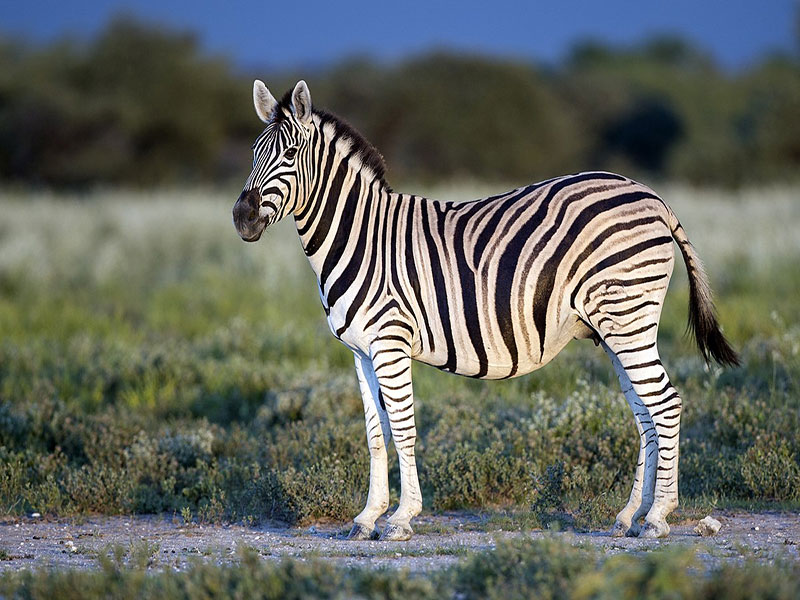
Zebra (Equus quagga)
Zebras are iconic African equids known for their striking black-and-white stripes. They inhabit savannas and grasslands across eastern and southern Africa. Zebras live in herds and graze primarily on grasses. Their unique stripe pattern may deter predators and help with social bonding. Adult zebras grow up to 2.5 meters long and stand about 1.3–1.5 meters tall at the shoulder. Their main predators include lions and hyenas. Zebras are currently listed as Near Threatened due to habitat loss.
Fun Fact: No two zebras have the same stripe pattern.
Quick Facts:
| Attribute | Detail |
|---|---|
| Size | 2.5 m / 8.2 ft |
| Weight | 350 kg / 770 lbs |
| Lifespan | 20–30 years |
| Habitat | African savannas and grasslands |
| Diet | Grasses |
| Social Structure | Herd |
| Conservation | Near Threatened |
Fun Fact: No two zebras have the same stripe pattern.
Zorilla (Ictonyx striatus)
Also called the striped polecat, the zorilla is a skunk-like mammal native to Africa. It inhabits savannas, scrublands, and open forests. Zorillas have a distinctive black coat with white stripes and are well known for their potent defensive spray. They hunt small rodents, insects, and amphibians at night. Though solitary, they communicate through scent and vocalizations. Despite their skunk-like defense, they are not related to New World skunks.
Fun Fact: A zorilla’s spray is powerful enough to deter lions.
Quick Facts:
| Attribute | Detail |
|---|---|
| Size | 30–38 cm / 12–15 in |
| Weight | 1–1.3 kg / 2.2–2.9 lbs |
| Lifespan | 13 years |
| Habitat | African savannas, scrublands |
| Diet | Rodents, insects, amphibians |
| Social Structure | Solitary |
| Conservation | Least Concern |
Fun Fact: A zorilla’s spray is powerful enough to deter lions.
Zebu (Bos indicus)
The zebu is a domesticated cattle species distinguished by its fatty hump and droopy ears. Native to South Asia but widespread in Africa and parts of South America, zebus thrive in hot, arid environments. They are used for milk, meat, and draft labor. These hardy bovines are highly resistant to heat and parasites. There are dozens of zebu breeds adapted to different climates and uses.
Fun Fact: Zebus sweat more efficiently than other cattle breeds.
Quick Facts:
| Attribute | Detail |
|---|---|
| Size | 1.2–1.5 m / 4–5 ft (shoulder) |
| Weight | 300–450 kg / 660–990 lbs |
| Lifespan | 20–25 years |
| Habitat | Tropical farms, grasslands |
| Diet | Grasses, grains, hay |
| Social Structure | Herd |
| Conservation | Domesticated |
Fun Fact: Zebus sweat more efficiently than other cattle breeds.
Zebra Duiker (Cephalophus zebra)
This small antelope, native to the rainforests of West Africa, is known for its reddish-brown coat with bold white stripes. Zebra duikers are shy, forest-dwelling herbivores that feed on fruit, leaves, and flowers. They prefer dense lowland forests and are rarely seen in the open. They’re solitary or live in monogamous pairs. Unfortunately, habitat loss and hunting have made them vulnerable.
Fun Fact: Their stripes help camouflage them in dappled forest light.
Quick Facts:
| Attribute | Detail |
|---|---|
| Size | 90 cm / 35 in |
| Weight | 20 kg / 44 lbs |
| Lifespan | 10–12 years |
| Habitat | West African rainforests |
| Diet | Fruit, leaves, flowers |
| Social Structure | Solitary or pairs |
| Conservation | Vulnerable |
Fun Fact: Their stripes help camouflage them in dappled forest light.
Zokor (Myospalax spp.)
Zokors are burrowing rodents found in Central and East Asia. With powerful forelimbs and shovel-like paws, they dig elaborate tunnel systems. Zokors have reduced eyesight and are adapted to underground life. They feed on roots and tubers and rarely come to the surface. These solitary rodents play a key role in soil aeration.
Fun Fact: Zokors can create over 100 meters of tunnel in a single day.
Quick Facts:
| Attribute | Detail |
|---|---|
| Size | 18–26 cm / 7–10 in |
| Weight | 200–500 g / 0.4–1.1 lbs |
| Lifespan | 2–4 years |
| Habitat | Grasslands, meadows, steppes |
| Diet | Roots, tubers |
| Social Structure | Solitary |
| Conservation | Least Concern |
Fun Fact: Zokors can create over 100 meters of tunnel in a single day.
Birds That Start With Z
Zebra Finch (Taeniopygia guttata)
The zebra finch is a small, sociable songbird native to Australia and Indonesia. Males have striking black-and-white facial patterns resembling zebra stripes, while females are plainer. They thrive in grasslands, savannas, and urban areas, often nesting in colonies. Zebra finches are granivorous and known for their complex vocalizations and strong pair bonds. They’re also popular in aviculture and used in behavioral research.
Fun Fact: Zebra finches can learn songs by listening to recordings—just like parrots.
Quick Facts:
| Attribute | Detail |
|---|---|
| Size | 10–12 cm / 4–4.7 in |
| Weight | 12–15 g / 0.4–0.5 oz |
| Lifespan | 5–9 years |
| Habitat | Grasslands, savannas, open woodlands |
| Diet | Seeds, small insects |
| Social Structure | Flocks or bonded pairs |
| Conservation | Least Concern |
Fun Fact: Zebra finches can learn songs by listening to recordings—just like parrots.
Zapata Sparrow (Torreornis inexpectata)
Endemic to Cuba, the Zapata sparrow is a rare songbird found in marshes, coastal mangroves, and scrub forests. This secretive bird sports a gray crown, olive upperparts, and a bright yellow throat. It feeds mainly on insects and seeds, nesting close to the ground. The species faces threats from habitat degradation, particularly in its restricted range.
Fun Fact: It was first discovered in Cuba’s remote Zapata Swamp.
Quick Facts:
| Attribute | Detail |
|---|---|
| Size | 15 cm / 6 in |
| Weight | 25–28 g / 0.9–1 oz |
| Lifespan | ~5 years |
| Habitat | Marshes, mangroves, scrublands |
| Diet | Insects, seeds |
| Social Structure | Solitary or pairs |
| Conservation | Near Threatened |
Fun Fact: It was first discovered in Cuba’s remote Zapata Swamp.
Zitting Cisticola (Cisticola juncidis)
Also known as the streaked fantail warbler, the zitting cisticola is a tiny, restless bird found in grasslands and wetlands across southern Europe, Africa, and Asia. It’s named for its repetitive “zitting” call during flight displays. Brown with streaked plumage, it blends well into dry grass. This insectivore is widespread and not threatened.
Fun Fact: The male performs a zigzag aerial display while calling.
Quick Facts:
| Attribute | Detail |
|---|---|
| Size | 10–12 cm / 4–4.7 in |
| Weight | 8–12 g / 0.3–0.4 oz |
| Lifespan | 2–3 years |
| Habitat | Grasslands, wetlands |
| Diet | Insects |
| Social Structure | Solitary or small groups |
| Conservation | Least Concern |
Fun Fact: The male performs a zigzag aerial display while calling.
Zambezi Indigobird (Vidua codringtoni)
Native to southern Africa, the Zambezi indigobird is a brood parasite, laying its eggs in the nests of other birds like firefinches. Males have shiny, iridescent blue-black plumage, while females are brown and streaked. They’re found in savannas and grasslands near rivers. Their call mimics the host species to avoid detection.
Fun Fact: Males imitate the songs of their host species to attract mates.
Quick Facts:
| Attribute | Detail |
|---|---|
| Size | 11–12 cm / 4.3–4.7 in |
| Weight | 12–15 g / 0.4–0.5 oz |
| Lifespan | ~5 years |
| Habitat | Savannas, grasslands |
| Diet | Seeds, insects (chicks) |
| Social Structure | Solitary |
| Conservation | Least Concern |
Fun Fact: Males imitate the songs of their host species to attract mates.
Zebra Dove (Geopelia striata)
The zebra dove is a small pigeon native to Southeast Asia, especially Indonesia and Thailand, and widely introduced elsewhere. It has a slender body and fine black-and-white barring across its chest. These ground-foraging doves frequent gardens, towns, and open woodlands. They feed mainly on seeds and small invertebrates.
Fun Fact: Zebra doves are often kept as songbirds for their gentle cooing.
Quick Facts:
| Attribute | Detail |
|---|---|
| Size | 20–23 cm / 8–9 in |
| Weight | 50–60 g / 1.7–2.1 oz |
| Lifespan | 10–12 years |
| Habitat | Urban areas, gardens, woodlands |
| Diet | Seeds, small insects |
| Social Structure | Pairs or flocks |
| Conservation | Least Concern |
Fun Fact: Zebra doves are often kept as songbirds for their gentle cooing.
Reptiles That Start With Z
Zamenis longissimus (Aesculapian Snake)
Found in Europe, the Aesculapian snake is a non-venomous species often associated with mythology and medicine. It lives in woodlands and stone walls, preying on rodents and birds. Glossy brown or olive in color, it can grow quite long and is an agile climber. Though generally elusive, it poses no danger to humans.
Fun Fact: It inspired the symbol of medicine—the Rod of Asclepius.
Quick Facts:
| Attribute | Detail |
|---|---|
| Size | 120–200 cm / 3.9–6.5 ft |
| Weight | 200–600 g / 0.4–1.3 lbs |
| Lifespan | 15–20 years |
| Habitat | Forest edges, stone ruins |
| Diet | Rodents, birds, eggs |
| Social Structure | Solitary |
| Conservation | Near Threatened (some regions) |
Fun Fact: It inspired the symbol of medicine—the Rod of Asclepius.
Zanzibar Day Gecko (Phelsuma dubia)
This diurnal gecko species is native to coastal East Africa, particularly around Tanzania and Zanzibar. It is a bright green lizard with red or blue markings and sticky toe pads that allow it to scale vertical surfaces. It feeds on insects, nectar, and fruit and thrives in trees and urban areas.
Fun Fact: This gecko uses its tongue to clean its eyes.
Quick Facts:
| Attribute | Detail |
|---|---|
| Size | 13–15 cm / 5–6 in |
| Weight | 10–15 g / 0.35–0.53 oz |
| Lifespan | 6–10 years |
| Habitat | Trees, buildings (urban forests) |
| Diet | Insects, nectar, fruit |
| Social Structure | Solitary or pairs |
| Conservation | Least Concern |
Fun Fact: This gecko uses its tongue to clean its eyes.
Fish That Start With Z
Zander (Sander lucioperca)
Zander is a large predatory freshwater fish native to lakes and rivers in Europe and western Asia. It resembles a cross between a pike and a perch, with a long, torpedo-shaped body and sharp teeth. Zander are aggressive hunters, feeding on smaller fish and invertebrates. They prefer deep, murky waters and are prized in commercial and sport fishing.
Fun Fact: Zander can detect electrical signals from prey, even in total darkness.
Quick Facts:
| Attribute | Detail |
|---|---|
| Size | 50–90 cm / 20–35 in |
| Weight | 4–8 kg / 8.8–17.6 lbs |
| Lifespan | 10–15 years |
| Habitat | Lakes, rivers (Europe, Asia) |
| Diet | Fish, aquatic invertebrates |
| Social Structure | Solitary |
| Conservation | Least Concern |
Fun Fact: Zander can detect electrical signals from prey, even in total darkness.
Zebra Shark (Stegostoma tigrinum)
Despite its name, the zebra shark has leopard-like spots as an adult. Juveniles, however, sport zebra-like stripes. Native to Indo-Pacific coral reefs, it’s a slow-moving, bottom-dwelling species. Zebra sharks feed at night on mollusks, crustaceans, and small fish. Though large, they’re gentle and pose no threat to humans.
Fun Fact: Zebra sharks can wiggle into tight crevices using their slender bodies.
Quick Facts:
| Attribute | Detail |
|---|---|
| Size | 2.5 m / 8.2 ft |
| Weight | 30–50 kg / 66–110 lbs |
| Lifespan | 25–30 years |
| Habitat | Coral reefs (Indo-Pacific) |
| Diet | Mollusks, crustaceans, fish |
| Social Structure | Solitary |
| Conservation | Endangered |
Fun Fact: Zebra sharks can wiggle into tight crevices using their slender bodies.
Zebrafish (Danio rerio)
A favorite in home aquariums and medical research, the zebrafish is a small freshwater species native to South Asia. Its horizontal blue and silver stripes make it eye-catching. Zebrafish are hardy, fast breeders, and used in genetic studies due to their transparent embryos and rapid development.
Fun Fact: Zebrafish can regenerate parts of their heart after injury.
Quick Facts:
| Attribute | Detail |
|---|---|
| Size | 4–5 cm / 1.5–2 in |
| Weight | ~0.5 g / 0.02 oz |
| Lifespan | 2–5 years |
| Habitat | Streams, ponds (South Asia) |
| Diet | Algae, plankton, small insects |
| Social Structure | Schooling |
| Conservation | Least Concern |
Fun Fact: Zebrafish can regenerate parts of their heart after injury.
Zebra Mbuna (Maylandia zebra)
This colorful cichlid comes from Lake Malawi in Africa. It’s known for its blue and black vertical stripes and territorial nature. Zebra mbunas inhabit rocky areas and establish territories they fiercely defend. They are mouthbrooders, with females carrying eggs and fry in their mouths for protection.
Fun Fact: Zebra mbunas are aggressive and will attack their own reflections.
Quick Facts:
| Attribute | Detail |
|---|---|
| Size | 10–13 cm / 4–5 in |
| Weight | 80–120 g / 2.8–4.2 oz |
| Lifespan | 6–10 years |
| Habitat | Lake Malawi (rocky zones) |
| Diet | Algae, detritus, small inverts |
| Social Structure | Territorial |
| Conservation | Least Concern |
Fun Fact: Zebra mbunas are aggressive and will attack their own reflections.
Amphibians That Start With Z
Zanzibar Reed Frog (Hyperolius substriatus)
Native to East Africa, this tiny, tree-dwelling frog thrives in tropical forests and wetlands. It’s known for its variable color patterns and nocturnal habits. Males call near water sources to attract females. Though locally abundant, habitat loss may affect isolated populations.
Fun Fact: Males have vocal sacs that inflate like balloons to amplify their calls.
Quick Facts:
| Attribute | Detail |
|---|---|
| Size | 2.5–3.5 cm / 1–1.4 in |
| Weight | ~2 g / 0.07 oz |
| Lifespan | 3–5 years |
| Habitat | Wetlands, forests (East Africa) |
| Diet | Insects, larvae |
| Social Structure | Solitary or pairs |
| Conservation | Least Concern |
Fun Fact: Males have vocal sacs that inflate like balloons to amplify their calls.
Zetek’s Tree Frog (Isthmohyla zeteki)
Found in Panama, this rare tree frog lives in humid mountain forests. It’s greenish with webbed toes and is known for its high-pitched mating calls. Little is known about its full biology due to its secretive habits and limited range.
Fun Fact: Named after American zoologist James Zetek.
Quick Facts:
| Attribute | Detail |
|---|---|
| Size | 3–4 cm / 1.2–1.6 in |
| Weight | ~3 g / 0.1 oz |
| Lifespan | 5–6 years |
| Habitat | Cloud forests (Panama) |
| Diet | Insects, spiders |
| Social Structure | Solitary |
| Conservation | Data Deficient |
Fun Fact: Named after American zoologist James Zetek.
Invertebrates That Start With Z
Zebra Spider (Salticus scenicus)
Zebra spiders are small jumping spiders common in Europe and North America. With black-and-white striped patterns, they hunt using excellent vision and spring-loaded jumps. These spiders don’t use webs to catch prey, instead stalking like cats. They’re harmless to humans and often found on walls and plants.
Fun Fact: Zebra spiders can leap over 10 times their body length.
Quick Facts:
| Attribute | Detail |
|---|---|
| Size | 5–9 mm / 0.2–0.35 in |
| Weight | ~0.01 g / 0.0004 oz |
| Lifespan | 1–2 years |
| Habitat | Gardens, walls, meadows |
| Diet | Insects, small arthropods |
| Social Structure | Solitary |
| Conservation | Least Concern |
Fun Fact: Zebra spiders can leap over 10 times their body length.
Zebra Swallowtail (Eurytides marcellus)
This striking butterfly is found in the eastern U.S. and is known for its black-and-white wings and long tail streamers. It lays eggs on pawpaw trees, which serve as its larval host plant. Adults feed on nectar and are strong, fast flyers.
Fun Fact: Its caterpillars release foul-smelling chemicals when disturbed.
Quick Facts:
| Attribute | Detail |
|---|---|
| Size | Wingspan: 6–10 cm / 2.4–4 in |
| Weight | ~0.5 g / 0.02 oz |
| Lifespan | 1 month (adult) |
| Habitat | Woodlands, riverbanks |
| Diet | Nectar (adult), pawpaw (larva) |
| Social Structure | Solitary |
| Conservation | Least Concern |
Fun Fact: Its caterpillars release foul-smelling chemicals when disturbed.
Zebra Mussel (Dreissena polymorpha)
Zebra mussels are invasive freshwater mollusks originally from Eurasia but now widespread in North America. Recognizable by their striped shells, they attach to hard surfaces in dense colonies. They filter plankton from water, often disrupting native ecosystems.
Fun Fact: One zebra mussel can filter a liter of water per day.
Quick Facts:
| Attribute | Detail |
|---|---|
| Size | 2–4 cm / 0.8–1.6 in |
| Weight | ~1–2 g / 0.04–0.07 oz |
| Lifespan | 4–5 years |
| Habitat | Freshwater lakes and rivers |
| Diet | Plankton |
| Social Structure | Colonies |
| Conservation | Invasive species |
Fun Fact: One zebra mussel can filter a liter of water per day.
Read: Animals That Start With O
Read: Animals That Start With J
Read: Animals That Start With F
Read: Animals That Start With V
Read: Animals That Start With L
FAQs
How many animals start with the letter Z?
Over 80 species begin with the letter Z, including mammals, birds, fish, reptiles, amphibians, and invertebrates.
What is the most well-known animal that starts with Z?
The zebra is easily the most recognizable Z-animal, known for its black-and-white stripes and herd behavior on African plains.
Are any Z animals endangered?
Yes, some animals that start with Z, like the zebra shark and zebra duiker, are currently classified as endangered or vulnerable.
Which Z animal lives the longest?
The zander fish and zebu cattle can both live up to 25 years under ideal conditions.
Conclusion
From zigzagging birds to striped grazers and tiny invertebrates, the animals that start with Z form a surprisingly diverse group. This list explored everything from zebras and zebra sharks to zapata sparrows and zebra mussels—each with their own wild story. Whether endangered, domesticated, or invasive, Z-animals represent the full spectrum of life on Earth. Keep exploring—there’s always more to learn in the animal kingdom.