
84 Animals That Start With V: List, Facts & Fun
The animal kingdom is packed with fascinating creatures, and those beginning with the letter V are no exception. From venomous reptiles to vibrant birds and elusive mammals, this guide highlights a wide range of species organized by animal type — including mammals, birds, reptiles, amphibians, insects, and marine life.
Whether you’re a student, wildlife enthusiast, or curious reader, you’ll enjoy this diverse and informative list. Each species includes scientific details, conservation status, and one intriguing trivia line. If you’re researching animals that start with V, you’re about to discover just how varied and valuable these creatures truly are.

Vaal Rhebok (Pelea capreolus)
The Vaal rhebok is a slender antelope native to South Africa and Lesotho. It inhabits open grasslands and mountainous terrain, especially at high elevations. With its grey-brown coat and long neck, this species is adapted to cooler climates. Males are territorial and may live in small harems, while females typically gather in groups. Their diet consists mainly of grasses and shrubs. Vaal rheboks are swift runners and rely on speed to escape predators. Conservation status is Least Concern, but habitat loss poses a long-term threat.
Fun Fact: The Vaal rhebok inspired the name of the global shoe brand “Reebok.”
| Attribute | Detail |
|---|---|
| Size | 75–105 cm (30–41 in) |
| Weight | 20–30 kg (44–66 lbs) |
| Lifespan | 8–10 years |
| Habitat | Montane grasslands |
| Diet | Grasses, herbs |
| Social Structure | Small herds |
| Conservation | Least Concern |
| Fun Fact | Inspired the brand “Reebok” |
Vampire Bat (Desmodus rotundus)
Found throughout Central and South America, the vampire bat is known for feeding on the blood of mammals and birds. These bats roost in dark caves, hollow trees, and abandoned buildings. They have short muzzles, sharp incisor teeth, and infrared sensors to locate blood vessels. Despite their fearsome reputation, vampire bats are social animals that share food within their colonies. Their role in ecosystems includes controlling livestock populations and serving as subjects for scientific studies. They are currently listed as Least Concern.
Fun Fact: Vampire bats can run, jump, and leap — a rare ability among bats.
| Attribute | Detail |
|---|---|
| Size | 7–9 cm (2.7–3.5 in) |
| Weight | 25–40 g (0.9–1.4 oz) |
| Lifespan | 9–12 years |
| Habitat | Caves, forests, savannas |
| Diet | Blood of birds and mammals |
| Social Structure | Colonies with food sharing |
| Conservation | Least Concern |
| Fun Fact | Can leap like a frog to escape |
Vancouver Island Marmot (Marmota vancouverensis)
Endemic to Vancouver Island in British Columbia, this large, burrowing rodent is one of the rarest mammals in North America. It lives in alpine meadows and talus slopes, forming small family colonies. These marmots have thick brown fur with white facial markings and hibernate up to eight months a year. Conservation efforts have increased its numbers, but it remains Critically Endangered due to its limited range and predation.
Fun Fact: Vancouver Island marmots whistle loudly to warn others of danger.
| Attribute | Detail |
|---|---|
| Size | 65–70 cm (25–28 in) |
| Weight | 3.5–7 kg (7.7–15.4 lbs) |
| Lifespan | 6–10 years |
| Habitat | Alpine meadows, rocky slopes |
| Diet | Grasses, flowers, herbs |
| Social Structure | Colonies |
| Conservation | Critically Endangered |
| Fun Fact | Whistle to warn other marmots |
Vervet Monkey (Chlorocebus pygerythrus)
The vervet monkey is widespread across sub-Saharan Africa, particularly in savannas and forest edges. With a grey body, black face, and long tail, these monkeys are highly social and live in large troops. They communicate using complex vocalizations and grooming behaviors. Their omnivorous diet includes fruits, leaves, seeds, and insects. Vervet monkeys are known for their adaptability to human environments, including farms and towns. They are currently listed as Least Concern.
Fun Fact: Vervet monkeys have distinct alarm calls for different predators.
| Attribute | Detail |
|---|---|
| Size | 40–60 cm (15–24 in) |
| Weight | 3.5–8 kg (7.7–17.6 lbs) |
| Lifespan | 12–24 years |
| Habitat | Savannas, woodlands |
| Diet | Fruits, leaves, insects |
| Social Structure | Troops |
| Conservation | Least Concern |
| Fun Fact | Use unique calls for predators |
Venezuelan Troupial (Icterus icterus)
This striking bird is the national bird of Venezuela and is found in woodlands, open fields, and scrublands across northern South America. It has vivid orange and black plumage with a bold blue eye ring. The troupial feeds on insects, fruits, and small vertebrates. Known for its melodious calls, it often nests in cavities made by other birds. Though fairly common, its range is fragmented due to habitat loss.
Fun Fact: Troupials are brood parasites, sometimes laying eggs in other birds’ nests.
| Attribute | Detail |
|---|---|
| Size | 23–28 cm (9–11 in) |
| Weight | 50–75 g (1.7–2.6 oz) |
| Lifespan | 8–12 years |
| Habitat | Woodlands, savannas |
| Diet | Insects, fruits, lizards |
| Social Structure | Mostly solitary |
| Conservation | Least Concern |
| Fun Fact | Often lay eggs in other nests |
Vine Snake (Ahaetulla nasuta)
The vine snake is a thin, bright green tree snake native to South and Southeast Asia. Its slender body and pointed snout help it blend seamlessly with vines and branches. This mildly venomous species uses excellent vision to target lizards, frogs, and small birds. Active during the day, vine snakes rely on stealth and precision strikes. They are not considered dangerous to humans and are listed as Least Concern.
Fun Fact: Vine snakes can expand their necks to reveal black-and-white warning patterns.
| Attribute | Detail |
|---|---|
| Size | 1.2–1.8 m (4–6 ft) |
| Weight | 120–180 g (4.2–6.3 oz) |
| Lifespan | 10–12 years |
| Habitat | Forests, plantations |
| Diet | Lizards, frogs, birds |
| Social Structure | Solitary |
| Conservation | Least Concern |
| Fun Fact | Expands neck for intimidation |
Violet Turaco (Musophaga violacea)
The violet turaco is a stunning bird native to West Africa, inhabiting forest edges, savannas, and riverine woodlands. Its deep violet plumage, yellow forehead, and crimson flight feathers make it one of the most colorful birds in its range. It is a strong climber, using its feet to move agilely through trees. This frugivorous bird feeds mostly on figs, berries, and other soft fruits. Turacos live in small family groups and are known for their loud, guttural calls. They are currently listed as Least Concern.
Fun Fact: Turacos are one of the few birds that produce true green and red pigments.
| Attribute | Detail |
|---|---|
| Size | 45–50 cm (18–20 in) |
| Weight | 300–350 g (10.5–12.3 oz) |
| Lifespan | 10–15 years |
| Habitat | Woodlands, savannas |
| Diet | Fruits, berries |
| Social Structure | Family groups |
| Conservation | Least Concern |
| Fun Fact | Has unique red and green pigments |
Vietnamese Mossy Frog (Theloderma corticale)
Native to northern Vietnam, the Vietnamese mossy frog thrives in moist, rocky forests and flooded caves. Its skin is covered in green and black tubercles, giving it the appearance of moss and providing near-perfect camouflage. This nocturnal amphibian lives near water and is highly secretive. It feeds on insects, worms, and small invertebrates. Although threatened by habitat loss and the pet trade, it remains categorized as Least Concern.
Fun Fact: These frogs can “play dead” when threatened.
| Attribute | Detail |
|---|---|
| Size | 6–8 cm (2.4–3.1 in) |
| Weight | 40–60 g (1.4–2.1 oz) |
| Lifespan | 10–12 years |
| Habitat | Wet forests, rocky streams |
| Diet | Insects, small invertebrates |
| Social Structure | Solitary |
| Conservation | Least Concern |
| Fun Fact | Masters of camouflage and mimicry |
Vulturine Guineafowl (Acryllium vulturinum)
Found in dry savannas and scrublands of East Africa, this large ground bird stands out with its metallic blue feathers, white streaks, and vulture-like bald head. Despite its name, it is not related to vultures but earns the title due to its head shape. Vulturine guineafowl are highly social, forming flocks of up to 20 or more. They feed on seeds, insects, and small reptiles while foraging on the ground. The species is widespread and listed as Least Concern.
Fun Fact: These birds can run fast and prefer sprinting to flying.
| Attribute | Detail |
|---|---|
| Size | 61–71 cm (24–28 in) |
| Weight | 1.2–1.6 kg (2.6–3.5 lbs) |
| Lifespan | 10–15 years |
| Habitat | Scrubland, dry savannas |
| Diet | Seeds, insects, small reptiles |
| Social Structure | Flocks |
| Conservation | Least Concern |
| Fun Fact | Prefers running over flying |
Vesper Bat (Myotis spp.)
The vesper bat is a general name for over 300 species in the Vespertilionidae family, found on every continent except Antarctica. These nocturnal mammals inhabit forests, deserts, urban areas, and caves. They are small, agile flyers with echolocation abilities and feed primarily on insects. Vesper bats play a critical role in natural pest control. Most species are of Least Concern, though some face threats from habitat loss and disease.
Fun Fact: A single vesper bat can eat over 3,000 insects in one night.
| Attribute | Detail |
|---|---|
| Size | 4–10 cm (1.6–4 in) |
| Weight | 5–30 g (0.2–1 oz) |
| Lifespan | 5–15 years |
| Habitat | Caves, forests, urban areas |
| Diet | Flying insects |
| Social Structure | Colonies |
| Conservation | Mostly Least Concern |
| Fun Fact | Excellent for mosquito control |
Variegated Squirrel (Sciurus variegatoides)
The variegated squirrel is a colorful tree squirrel found in Central America, from southern Mexico to Panama. It inhabits tropical and subtropical forests and gardens. With its varied coat colors — including black, gray, rust, and cream — it’s among the most visually diverse squirrel species. Active during the day, it forages for nuts, fruits, seeds, and bark. The species is solitary and arboreal.
Fun Fact: Some populations have black heads and red backs, while others are cream-colored.
| Attribute | Detail |
|---|---|
| Size | 25–32 cm (10–13 in) |
| Weight | 450–600 g (1–1.3 lbs) |
| Lifespan | 6–8 years |
| Habitat | Forests, gardens |
| Diet | Fruits, seeds, bark |
| Social Structure | Solitary |
| Conservation | Least Concern |
| Fun Fact | Color varies widely by region |
Velvet Worm (Peripatopsis spp.)
Velvet worms are ancient invertebrates found in moist tropical regions of Africa, South America, and Southeast Asia. They resemble caterpillars and have soft, velvety skin and many stubby legs. These nocturnal predators shoot slime to trap small insects. As a transitional organism between annelids and arthropods, they’re of great interest to evolutionary biologists.
Fun Fact: Velvet worms haven’t changed much in over 500 million years.
| Attribute | Detail |
|---|---|
| Size | 2–15 cm (0.8–6 in) |
| Weight | 2–10 g (0.07–0.35 oz) |
| Lifespan | 4–6 years |
| Habitat | Leaf litter, tropical forests |
| Diet | Insects, larvae |
| Social Structure | Solitary |
| Conservation | Varies by species |
| Fun Fact | Shoots glue to immobilize prey |
Violet-backed Starling (Cinnyricinclus leucogaster)
This small passerine bird is native to sub-Saharan Africa, inhabiting woodlands, riverine forests, and open savannas. Males are striking with their shimmering violet upperparts and white underbellies, while females are brown and streaked for camouflage. These starlings are omnivorous, feeding on fruits, berries, and insects. They nest in tree cavities and are seasonally migratory in some parts of their range. Currently, they are listed as Least Concern.
Fun Fact: The male’s bright violet feathers reflect ultraviolet light, visible to other birds but not humans.
| Attribute | Detail |
|---|---|
| Size | 17–19 cm (6.7–7.5 in) |
| Weight | 35–50 g (1.2–1.8 oz) |
| Lifespan | 5–7 years |
| Habitat | Woodlands, savannas |
| Diet | Fruits, insects, berries |
| Social Structure | Pairs or small flocks |
| Conservation | Least Concern |
| Fun Fact | Male plumage shines in UV light |
Virginia Opossum (Didelphis virginiana)
The Virginia opossum is the only marsupial found north of Mexico, commonly seen across the United States and parts of southern Canada. It thrives in varied environments, including forests, swamps, and even urban areas. Known for its white face and long, prehensile tail, it plays dead (“playing possum”) as a defense strategy. Opossums are omnivores, consuming everything from fruit and insects to small animals and garbage. They are solitary and nocturnal, and they carry their young in a pouch.
Fun Fact: Opossums are highly resistant to snake venom, including rattlesnake bites.
| Attribute | Detail |
|---|---|
| Size | 38–53 cm (15–21 in) |
| Weight | 2–6 kg (4.4–13.2 lbs) |
| Lifespan | 2–4 years |
| Habitat | Forests, suburbs, wetlands |
| Diet | Omnivorous |
| Social Structure | Solitary |
| Conservation | Least Concern |
| Fun Fact | Resistant to snake venom |
Variable Hawk (Geranoaetus polyosoma)
This South American raptor inhabits open grasslands, Andean highlands, and scrubby hillsides from Colombia to Tierra del Fuego. Named for its highly variable plumage, it ranges from white to dark gray to brown. Variable hawks prey on rodents, reptiles, and small birds using aerial ambush tactics. They are monogamous and nest on cliffs or tall trees. Populations are stable, and the species is categorized as Least Concern.
Fun Fact: Some populations are so distinct in color they were once considered separate species.
| Attribute | Detail |
|---|---|
| Size | 45–62 cm (17.7–24.4 in) |
| Weight | 900–1,600 g (2–3.5 lbs) |
| Lifespan | 10–15 years |
| Habitat | Grasslands, Andean slopes |
| Diet | Rodents, reptiles, birds |
| Social Structure | Monogamous pairs |
| Conservation | Least Concern |
| Fun Fact | Plumage varies across range |
Variegated Fairywren (Malurus lamberti)
Endemic to eastern and southern Australia, this tiny bird dazzles with its colorful feathers. Males display electric blue, black, and chestnut markings during the breeding season, while females are duller for camouflage. These insectivores forage in shrubs and low trees, often in groups with cooperative breeding systems. Their habitat includes open woodlands, heathlands, and scrub. The species is common and listed as Least Concern.
Fun Fact: Fairywrens sing duets and exhibit lifelong pair bonds with “helpers” aiding in chick-rearing.
| Attribute | Detail |
|---|---|
| Size | 14–15 cm (5.5–6 in) |
| Weight | 8–11 g (0.3–0.4 oz) |
| Lifespan | 4–6 years |
| Habitat | Woodlands, shrubs, grasslands |
| Diet | Insects, spiders |
| Social Structure | Cooperative groups |
| Conservation | Least Concern |
| Fun Fact | Helpers assist parents with chicks |
Violet Ground Beetle (Carabus violaceus)
This glossy, metallic purple beetle is common in Europe and parts of western Asia. It lives in gardens, hedgerows, and forest floors, where it is a nocturnal predator. With its strong mandibles, it preys on slugs, worms, and other invertebrates. Ground beetles are flightless but fast runners. While not rare, they play a crucial role in controlling pest populations.
Fun Fact: When threatened, it releases a foul-smelling fluid from its abdomen.
| Attribute | Detail |
|---|---|
| Size | 20–30 mm (0.8–1.2 in) |
| Weight | 2–3 g (0.07–0.1 oz) |
| Lifespan | 2–3 years |
| Habitat | Gardens, forests, grasslands |
| Diet | Slugs, worms, insects |
| Social Structure | Solitary |
| Conservation | Least Concern |
| Fun Fact | Sprays smelly fluid as defense |
Venezuelan Red Howler (Alouatta seniculus)
This large New World monkey roams the tropical forests of northern South America, especially Venezuela, Colombia, and Ecuador. It is named for its reddish fur and powerful vocalizations that can carry for several kilometers. Howlers are arboreal and folivorous, feeding on leaves, flowers, and fruit. They live in social troops led by dominant males. Despite deforestation, their wide range currently places them at Least Concern.
Fun Fact: Red howlers’ enlarged hyoid bones amplify their booming calls.
| Attribute | Detail |
|---|---|
| Size | 45–72 cm (18–28 in) |
| Weight | 5.4–9.8 kg (12–22 lbs) |
| Lifespan | 15–20 years |
| Habitat | Tropical forests |
| Diet | Leaves, fruits, flowers |
| Social Structure | Troops led by alpha male |
| Conservation | Least Concern |
| Fun Fact | Calls heard up to 5 km away |
Vietnamese Pot-bellied Pig (Sus scrofa domesticus)
Originally bred in Vietnam, this small domesticated pig has gained popularity worldwide as both livestock and a pet. Recognized by its short legs, round belly, and black coloration, it thrives in rural farms and suburban backyards. These pigs are intelligent, social, and can be trained like dogs. They are omnivores and root for food in soil, consuming grains, vegetables, and even small animals. While not a wild species, feral populations have established themselves in some regions.
Fun Fact: Vietnamese pot-bellied pigs can learn over 30 commands and tricks.
| Attribute | Detail |
|---|---|
| Size | 35–50 cm (14–20 in) |
| Weight | 35–70 kg (77–154 lbs) |
| Lifespan | 12–20 years |
| Habitat | Farms, domestic environments |
| Diet | Omnivorous (grains, roots, fruit) |
| Social Structure | Domesticated / social |
| Conservation | Domesticated (not wild) |
| Fun Fact | Can learn complex tricks |
Variegated Meadowhawk (Sympetrum corruptum)
This dragonfly species is widespread across North America and parts of Central America. Found near ponds, lakes, and slow-moving streams, it has a distinctive appearance with red and brown variegated patterns on its body and wings. Adults are active hunters of mosquitoes and small insects during the warmer months. They are agile fliers and key indicators of freshwater ecosystem health.
Fun Fact: This dragonfly can migrate long distances, sometimes crossing thousands of kilometers.
| Attribute | Detail |
|---|---|
| Size | 3.5–4.5 cm (1.4–1.8 in) |
| Weight | ~0.3 g (0.01 oz) |
| Lifespan | 6–8 weeks (as adult) |
| Habitat | Ponds, streams, wetlands |
| Diet | Small flying insects |
| Social Structure | Solitary |
| Conservation | Least Concern |
| Fun Fact | Long-distance migrator |
Vanuatu Flying Fox (Pteropus anetianus)
This large fruit bat is native to the islands of Vanuatu in the South Pacific. It roosts in tall trees and feeds on nectar, fruits, and pollen, making it an essential pollinator and seed disperser. With its fox-like face and leathery wings, it’s active at night and rests during the day in communal groups. The species is Near Threatened due to habitat destruction and hunting.
Fun Fact: Despite their size, flying foxes rely heavily on sight and smell rather than echolocation.
| Attribute | Detail |
|---|---|
| Size | 25–30 cm (10–12 in) |
| Weight | 350–500 g (0.8–1.1 lbs) |
| Lifespan | 10–15 years |
| Habitat | Tropical forests |
| Diet | Fruit, nectar, pollen |
| Social Structure | Roosting colonies |
| Conservation | Near Threatened |
| Fun Fact | Uses sight, not echolocation |
Vagrant Shrew (Sorex vagrans)
Common in the western United States and parts of Canada, the vagrant shrew lives in moist grasslands, meadows, and forest undergrowth. It has a pointed snout, tiny eyes, and soft gray fur. This insectivore feeds voraciously on insects, spiders, worms, and snails. It has a high metabolic rate and must eat frequently to survive. Despite its abundance, it is rarely seen due to its secretive nature.
Fun Fact: Vagrant shrews need to eat nearly their own weight in food every day.
| Attribute | Detail |
|---|---|
| Size | 10–12 cm (4–4.7 in) |
| Weight | 4–7 g (0.14–0.25 oz) |
| Lifespan | 1–2 years |
| Habitat | Grasslands, forests |
| Diet | Insects, worms, snails |
| Social Structure | Solitary |
| Conservation | Least Concern |
| Fun Fact | Eats constantly to stay alive |
Victoria Crowned Pigeon (Goura victoria)
Native to lowland forests of New Guinea, the Victoria crowned pigeon is one of the largest and most majestic pigeon species. It is named after Queen Victoria and is recognized by its powder-blue feathers and ornate lace-like crest. It forages on the forest floor for seeds, fruits, and fallen berries. Despite its heavy body, it can fly short distances. The species is listed as Near Threatened due to habitat loss and illegal trapping.
Fun Fact: Their courtship dance includes deep bowing and tail fanning.
| Attribute | Detail |
|---|---|
| Size | 70–75 cm (27–30 in) |
| Weight | 2.3–2.5 kg (5–5.5 lbs) |
| Lifespan | 15–25 years |
| Habitat | Rainforests, swamp forests |
| Diet | Fruits, seeds, snails |
| Social Structure | Small flocks |
| Conservation | Near Threatened |
| Fun Fact | Displays a royal courtship dance |
Velvet Ant (Dasymutilla occidentalis)
Despite its name, the velvet ant is actually a species of wasp. Females are wingless and covered in red-orange velvet-like hair, while males have wings and lack the sting. Found throughout the southern U.S., this solitary insect lives in dry, sandy areas. The female invades bee nests to lay her eggs, which later consume the bee larvae. Its sting is extremely painful, earning it the nickname “cow killer.”
Fun Fact: The velvet ant’s sting ranks among the most painful of any insect in North America.
| Attribute | Detail |
|---|---|
| Size | 19–25 mm (0.7–1 in) |
| Weight | ~0.3 g (0.01 oz) |
| Lifespan | 1–2 years |
| Habitat | Grasslands, fields, deserts |
| Diet | Nectar (adults); larvae (young) |
| Social Structure | Solitary |
| Conservation | Least Concern |
| Fun Fact | Sting nicknamed “cow killer” |
Volcano Rabbit (Romerolagus diazi)
Endemic to central Mexico, the volcano rabbit inhabits the pine forests and grassy slopes of volcanic mountains near Mexico City. It’s one of the smallest rabbit species, with short ears and dense fur that help it survive at high elevations. Volcano rabbits are shy, living in burrows and feeding on grasses and shrubs. They are active during twilight hours and communicate with high-pitched squeaks. This species is classified as Endangered due to habitat fragmentation and encroaching urban development.
Fun Fact: It’s the second smallest rabbit species in the world, after the pygmy rabbit.
| Attribute | Detail |
|---|---|
| Size | 23–32 cm (9–12.5 in) |
| Weight | 390–600 g (0.8–1.3 lbs) |
| Lifespan | 7–9 years |
| Habitat | Volcanic grasslands, pine forests |
| Diet | Grasses, herbs, bark |
| Social Structure | Small colonies |
| Conservation | Endangered |
| Fun Fact | Smallest rabbit in Mexico |
Vulturine Parrot (Pyrilia vulturina)
This rare and unusual parrot from Brazil’s Amazon Basin is named for its bare, vulture-like head, which lacks feathers. Its body is brightly colored in greens, reds, and yellows. Found in subtropical and tropical moist lowland forests, the vulturine parrot feeds on fruits and seeds. Because of its limited range and ongoing deforestation, it is listed as Vulnerable by the IUCN.
Fun Fact: Its bald head helps prevent feather matting from sticky tropical fruits.
| Attribute | Detail |
|---|---|
| Size | 24–26 cm (9.5–10.2 in) |
| Weight | 170–210 g (6–7.4 oz) |
| Lifespan | 20–30 years |
| Habitat | Amazon rainforest |
| Diet | Fruits, seeds |
| Social Structure | Pairs or small flocks |
| Conservation | Vulnerable |
| Fun Fact | Bald head prevents fruit mess |
Velvet Scoter (Melanitta fusca)
The velvet scoter is a large sea duck found across parts of northern Europe and Asia, wintering along coastlines and large lakes. Males have dark plumage with white wing patches, while females are mottled brown. These diving ducks forage underwater, feeding on mussels, aquatic insects, and small crustaceans. Nesting occurs near freshwater lakes in boreal forests. The species is Near Threatened due to declining breeding populations.
Fun Fact: Velvet scoters can dive over 20 meters deep in search of food.
| Attribute | Detail |
|---|---|
| Size | 51–58 cm (20–23 in) |
| Weight | 1.3–2.2 kg (2.9–4.9 lbs) |
| Lifespan | 10–15 years |
| Habitat | Lakes, coasts, rivers |
| Diet | Mollusks, aquatic insects |
| Social Structure | Small flocks |
| Conservation | Near Threatened |
| Fun Fact | Dives over 20 meters deep |
Viperfish (Chauliodus sloani)
The viperfish is a deep-sea predator known for its long, needle-like teeth and photophores that produce bioluminescent light. It lives at depths of 200–5,000 meters in tropical and temperate oceans worldwide. Viperfish hunt small fish and squid by luring them with a glowing lure on their dorsal spine. Their hinged jaw allows them to consume prey nearly half their size.
Fun Fact: A viperfish’s teeth are so long they don’t fit inside its mouth when closed.
| Attribute | Detail |
|---|---|
| Size | 30–60 cm (12–24 in) |
| Weight | 200–400 g (7–14 oz) |
| Lifespan | 15–30 years |
| Habitat | Deep ocean (200–5,000 m) |
| Diet | Fish, squid |
| Social Structure | Solitary |
| Conservation | Least Concern |
| Fun Fact | Teeth longer than skull |
Vietnamese Pheasant (Lophura hatinhensis)
Once believed to be extinct, this elusive bird is endemic to central Vietnam. It inhabits lowland forests and is known for its striking appearance — males display iridescent blue plumage and a white crest, while females are more subdued. Extremely shy and rarely seen, it feeds on seeds, insects, and small invertebrates. The species is considered Endangered due to habitat destruction and a tiny range.
Fun Fact: Only rediscovered in the 1960s after being presumed extinct for decades.
| Attribute | Detail |
|---|---|
| Size | 60–70 cm (24–28 in) |
| Weight | 1.2–1.5 kg (2.6–3.3 lbs) |
| Lifespan | 10–15 years |
| Habitat | Lowland forests |
| Diet | Seeds, insects, worms |
| Social Structure | Solitary or pairs |
| Conservation | Endangered |
| Fun Fact | Thought extinct until 1960s |
Vinegaroon (Mastigoproctus giganteus)
Also known as the whip scorpion, the vinegaroon is a nocturnal arachnid found in the southern U.S., Mexico, and parts of Central America. It has large pincers, a whip-like tail, and sprays a vinegar-smelling acid (acetic acid) when threatened. Despite its fearsome look, it’s harmless to humans and feeds on insects, worms, and small vertebrates.
Fun Fact: Its defensive spray smells exactly like vinegar.
| Attribute | Detail |
|---|---|
| Size | 40–85 mm (1.6–3.3 in) |
| Weight | 20–30 g (0.7–1 oz) |
| Lifespan | 4–7 years |
| Habitat | Deserts, forests, caves |
| Diet | Insects, worms |
| Social Structure | Solitary |
| Conservation | Not evaluated |
| Fun Fact | Sprays real vinegar as defense |
Visayan Warty Pig (Sus cebifrons)
Endemic to the Visayan Islands in the Philippines, the Visayan warty pig is critically endangered due to extensive habitat loss and hunting. Males develop distinctive facial “warts” and sport long manes during breeding season. These pigs inhabit lowland forests and feed on roots, fruits, and crops. They are social, living in small family groups called sounders. Conservation breeding programs are underway to save this species.
Fun Fact: Males grow dramatic mohawks to impress females during mating season.
| Attribute | Detail |
|---|---|
| Size | 100–120 cm (39–47 in) |
| Weight | 35–80 kg (77–176 lbs) |
| Lifespan | 10–15 years |
| Habitat | Forests, grasslands |
| Diet | Fruits, roots, crops |
| Social Structure | Small family groups |
| Conservation | Critically Endangered |
| Fun Fact | Sports a mohawk during mating |
Variegated Lizardfish (Synodus variegatus)
Found across the Indo-Pacific, this bottom-dwelling predator lurks on sandy or coral seafloors. Its mottled brown and beige pattern provides camouflage. The variegated lizardfish has a torpedo-shaped body and sharp teeth used to ambush small fish. It is solitary, often lying motionless to blend into its surroundings. This species poses no threat and is of little commercial interest.
Fun Fact: It can bury itself in sand to ambush unsuspecting prey.
| Attribute | Detail |
|---|---|
| Size | 20–40 cm (8–16 in) |
| Weight | ~200–500 g (7–17.6 oz) |
| Lifespan | 5–8 years |
| Habitat | Sandy reefs, lagoons |
| Diet | Fish, crustaceans |
| Social Structure | Solitary |
| Conservation | Least Concern |
| Fun Fact | Buries in sand for camouflage |
Vietnamese Longnose Snake (Pseudorabdion longiceps)
Native to Southeast Asia, this small, secretive snake lives in forested regions of Vietnam and neighboring countries. It has a long pointed snout, aiding in burrowing through leaf litter. Mostly nocturnal, it feeds on earthworms and small invertebrates. Although little is known about its behavior due to its elusive nature, it’s believed to be non-venomous and harmless.
Fun Fact: Its narrow snout helps it tunnel into moist forest floor debris.
| Attribute | Detail |
|---|---|
| Size | 30–50 cm (12–20 in) |
| Weight | ~50–100 g (1.7–3.5 oz) |
| Lifespan | Unknown |
| Habitat | Tropical forests, leaf litter |
| Diet | Worms, insects |
| Social Structure | Solitary |
| Conservation | Not Evaluated |
| Fun Fact | Uses snout to tunnel through soil |
Variegated Wolf Spider (Hogna lenta)
This fast-moving spider is native to North America and found in forests, fields, and even suburban gardens. It does not spin webs but actively hunts its prey. With brown, gray, and cream markings, it blends into the ground. Females carry their egg sacs under their abdomen and later carry spiderlings on their backs. They pose no danger to humans.
Fun Fact: Female wolf spiders carry their babies on their backs until they disperse.
| Attribute | Detail |
|---|---|
| Size | 13–35 mm (0.5–1.4 in) |
| Weight | ~2–5 g (0.07–0.18 oz) |
| Lifespan | 1–2 years |
| Habitat | Grasslands, gardens, woodlands |
| Diet | Insects, small invertebrates |
| Social Structure | Solitary |
| Conservation | Least Concern |
| Fun Fact | Moms carry babies on their backs |
Victoria Cichlid (Haplochromis spp.)
Native to Lake Victoria, this group includes hundreds of colorful fish species with a wide range of dietary and behavioral adaptations. Some are algae grazers, others are carnivorous or even scale-eaters. These fish exhibit complex mating rituals and vibrant sexual dimorphism. Many species have declined drastically due to invasive species and pollution. Conservation efforts are underway to restore populations.
Fun Fact: Some species feed by nipping off scales from other fish.
| Attribute | Detail |
|---|---|
| Size | 5–18 cm (2–7 in) |
| Weight | 20–150 g (0.7–5.3 oz) |
| Lifespan | 5–10 years |
| Habitat | Lake Victoria |
| Diet | Algae, small fish, insects |
| Social Structure | Territorial |
| Conservation | Many species Vulnerable/Endangered |
| Fun Fact | Some eat scales off other fish |
Vellore Treeshrew (Anathana ellioti)
Found in southern India, this small mammal lives in dry deciduous forests and rocky hills. Despite its name, it spends much of its time on the ground. It resembles a squirrel with a long tail and pointed snout. The Vellore treeshrew feeds on insects, fruit, and small vertebrates. Its behavior is rapid and elusive, making it hard to observe in the wild.
Fun Fact: Treeshrews were once thought to be primitive primates, but they belong to their own unique order.
| Attribute | Detail |
|---|---|
| Size | 16–18 cm (6.3–7 in) |
| Weight | 120–170 g (4.2–6 oz) |
| Lifespan | 2–3 years (wild) |
| Habitat | Forests, rocky areas |
| Diet | Insects, fruit, small animals |
| Social Structure | Solitary |
| Conservation | Least Concern |
| Fun Fact | Not a squirrel or a primate |
Venezuelan Poodle Moth (Artace sp.)
Discovered in Venezuela in 2009, the Venezuelan poodle moth is a fuzzy, white insect that resembles a hybrid of a moth and a stuffed animal. It inhabits tropical cloud forests and is believed to be a member of the Artace genus. Its dense setae (hair-like structures) are thought to help with camouflage and thermoregulation. Little is known about its diet or behavior due to limited sightings.
Fun Fact: This moth’s bizarre appearance has made it a viral internet sensation.
| Attribute | Detail |
|---|---|
| Size | ≈3.6 cm (1.4 in) |
| Weight | ~1 g (0.03 oz) |
| Lifespan | Estimated 1–2 weeks (adult) |
| Habitat | Venezuelan cloud forests |
| Diet | Unknown (likely plant-based) |
| Social Structure | Solitary |
| Conservation | Not Evaluated |
| Fun Fact | Looks like a fluffy toy |
Violet Sabrewing (Campylopterus hemileucurus)
One of the largest hummingbirds, the violet sabrewing is native to Central America’s tropical forests and mountainous cloud zones. Males are deep iridescent violet with metallic green highlights. They feed on nectar using long curved beaks and also catch insects mid-air. Males are solitary and defend feeding territories. Despite habitat changes, the species remains widespread and is considered Least Concern.
Fun Fact: Its wings make a loud buzzing sound in flight — louder than most hummingbirds.
| Attribute | Detail |
|---|---|
| Size | 13–15 cm (5.1–5.9 in) |
| Weight | 10–12 g (0.35–0.42 oz) |
| Lifespan | 4–6 years |
| Habitat | Cloud forests, gardens |
| Diet | Nectar, small insects |
| Social Structure | Solitary |
| Conservation | Least Concern |
| Fun Fact | Loud wing buzz for a hummingbird |
Veld Antelope (various species, e.g., Red Hartebeest)
“Veld antelope” is a general term for antelope species found in South Africa’s grassy plains or velds. This includes species like the red hartebeest, springbok, and blesbok. These antelopes are herbivores, grazing in herds across open savannas and grasslands. Their speed and agility help them evade predators. Many veld antelope species are stable, but habitat fragmentation and hunting impact some populations.
Fun Fact: The term “veld” is Afrikaans for open, grassy plains.
| Attribute | Detail |
|---|---|
| Size | 80–140 cm (31–55 in) |
| Weight | 40–150 kg (88–330 lbs) |
| Lifespan | 10–15 years |
| Habitat | Grasslands, savannas (Veld) |
| Diet | Grasses, shrubs |
| Social Structure | Herds |
| Conservation | Mostly Least Concern |
| Fun Fact | “Veld” means grassland in Afrikaans |
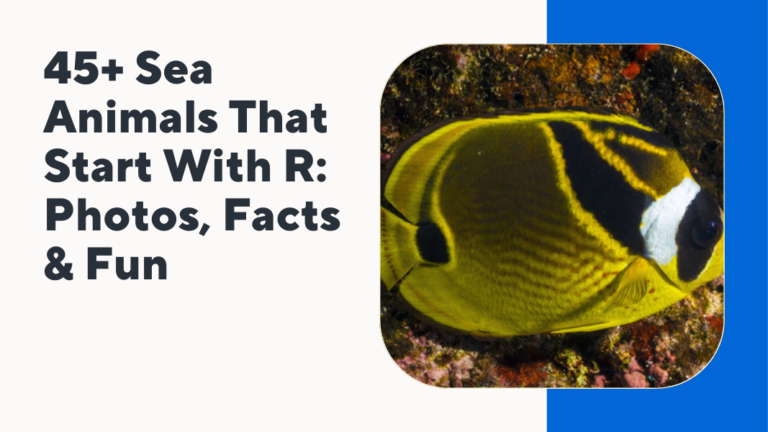
Variegated Butterflyfish (Chaetodon variegatus)
This brightly colored coral reef fish is found throughout the Indo-Pacific. Its yellow, black, and white stripes provide camouflage among coral and deter predators. Butterflyfish live in pairs or small groups and feed on coral polyps, algae, and plankton. They are active during the day and hide in crevices at night.
Fun Fact: Butterflyfish have excellent eyesight and communicate with subtle fin movements.
| Attribute | Detail |
|---|---|
| Size | 12–15 cm (4.7–5.9 in) |
| Weight | ~100 g (3.5 oz) |
| Lifespan | 5–7 years |
| Habitat | Coral reefs |
| Diet | Coral polyps, plankton |
| Social Structure | Pairs or small groups |
| Conservation | Least Concern |
| Fun Fact | Communicates with fin signals |
Violet Coral (Clavaria zollingeri)
Though not an animal in the traditional sense, this colorful coral-like fungus often appears in wildlife listings for its striking purple hue and tree-like form. It grows in woodland soil, resembling soft sea coral. Found in North America, Asia, and Australia, it plays a role in forest decomposition. While not an animal taxonomically, its presence in wildlife databases warrants mention.
Fun Fact: Its shape mimics underwater coral, earning its name.
| Attribute | Detail |
|---|---|
| Size | 5–10 cm (2–4 in) |
| Weight | Varies |
| Lifespan | Seasonal (weeks) |
| Habitat | Forest floors, leaf litter |
| Diet | Decomposing organic matter |
| Social Structure | Solitary clusters |
| Conservation | Not Evaluated |
| Fun Fact | A fungus that looks like coral |
Vietnamese Leaf Turtle (Geoemyda spengleri)
Also known as the black-breasted leaf turtle, this small, forest-dwelling turtle is native to Vietnam and southern China. Its rough, leaf-shaped shell provides excellent camouflage in dense leaf litter. This terrestrial turtle is nocturnal and feeds on snails, worms, and fallen fruit. It is currently endangered due to illegal pet trade and deforestation.
Fun Fact: Its jagged shell edges mimic dead leaves on the forest floor.
| Attribute | Detail |
|---|---|
| Size | 10–13 cm (4–5 in) |
| Weight | 200–350 g (7–12 oz) |
| Lifespan | 15–20 years |
| Habitat | Forests, leaf litter |
| Diet | Worms, snails, fruit |
| Social Structure | Solitary |
| Conservation | Endangered |
| Fun Fact | Camouflaged like a dry leaf |
Vulturine Fish Eagle (Ichthyophaga humilis)
Found across Southeast Asia, the vulturine fish eagle is a medium-sized raptor known for its hunched posture, bare head, and diet of fish. It resides along rivers, lakes, and wetlands and is often seen perched quietly near water. Unlike other eagles, its featherless head prevents feathers from getting soiled while feeding. This species is uncommon but not globally threatened.
Fun Fact: One of the few eagles that shares its vulture-like appearance with a fish-based diet.
| Attribute | Detail |
|---|---|
| Size | 60–70 cm (23.6–27.5 in) |
| Weight | 2.3–2.8 kg (5–6.2 lbs) |
| Lifespan | 20–25 years |
| Habitat | Rivers, lakes, mangroves |
| Diet | Fish, amphibians |
| Social Structure | Solitary or pairs |
| Conservation | Near Threatened |
| Fun Fact | Featherless head for messy meals |
Velvet Gecko (Oedura castelnaui)
Native to Australia, the velvet gecko inhabits woodlands, rocky outcrops, and tree bark. It has a soft, velvety skin texture with mottled gray and brown colors that help it blend with its surroundings. This nocturnal lizard feeds on insects and spiders and can drop its tail to escape predators. Velvet geckos are harmless and popular in the pet trade.
Fun Fact: When threatened, it emits squeaking vocalizations as a defense mechanism.
| Attribute | Detail |
|---|---|
| Size | 8–12 cm (3–4.7 in) |
| Weight | ~10–20 g (0.35–0.7 oz) |
| Lifespan | 6–10 years |
| Habitat | Rock crevices, tree bark |
| Diet | Insects, spiders |
| Social Structure | Solitary |
| Conservation | Least Concern |
| Fun Fact | Squeaks loudly when disturbed |
Venezuelan Guppy (Poecilia reticulata)
Also known simply as the guppy, this small freshwater fish is native to Venezuela and other parts of northern South America. It thrives in slow-moving streams and ponds. Guppies are known for their colorful patterns and rapid reproduction. They feed on algae, larvae, and small insects. Popular in aquariums worldwide, they are used in mosquito control programs due to their appetite for larvae.
Fun Fact: A single female guppy can give birth to 200+ offspring per month.
| Attribute | Detail |
|---|---|
| Size | 3–6 cm (1.2–2.4 in) |
| Weight | 0.2–0.5 g (0.007–0.017 oz) |
| Lifespan | 2–3 years |
| Habitat | Streams, ponds |
| Diet | Algae, insect larvae |
| Social Structure | Shoals |
| Conservation | Least Concern |
| Fun Fact | Extremely prolific breeder |
Violet Oil Beetle (Meloe violaceus)
This striking beetle is native to Europe and recognized for its bloated body and metallic violet sheen. It lives in meadows, paths, and rural fields. The larvae parasitize solitary bee nests, while adults feed on leaves and flowers. If threatened, it releases a yellowish oily fluid that can irritate skin.
Fun Fact: Its defensive oil contains cantharidin, a toxic chemical also found in blister beetles.
| Attribute | Detail |
|---|---|
| Size | 20–30 mm (0.8–1.2 in) |
| Weight | ~2–3 g (0.07–0.1 oz) |
| Lifespan | 1–2 years |
| Habitat | Meadows, rural trails |
| Diet | Flowers (adults); bees (larvae) |
| Social Structure | Solitary |
| Conservation | Least Concern |
| Fun Fact | Secretes toxic oil for defense |
Vesper Sparrow (Pooecetes gramineus)
This North American sparrow breeds in grasslands, meadows, and fields. Its subtle brown and streaked plumage makes it easy to miss, but its melodic twilight song sets it apart. Named after the word “vesper” meaning evening, it often sings just before sunset. It feeds on seeds and insects and nests on the ground.
Fun Fact: One of the few birds that sings regularly at dusk.
| Attribute | Detail |
|---|---|
| Size | 14–16 cm (5.5–6.3 in) |
| Weight | 20–25 g (0.7–0.9 oz) |
| Lifespan | 4–6 years |
| Habitat | Prairies, farmland |
| Diet | Seeds, insects |
| Social Structure | Territorial during breeding |
| Conservation | Least Concern |
| Fun Fact | Named for its evening songs |
Vanda Orchid Moth (Achaea janata)
This moth is commonly found in Asia, Australia, and the Pacific Islands. The larval caterpillar feeds on a wide range of plants, including Vanda orchids, bananas, and castor. Adults are strong fliers with patterned brown wings that aid in camouflage. In some regions, it is considered a pest due to crop damage.
Fun Fact: Its caterpillars can defoliate entire orchards if left unchecked.
| Attribute | Detail |
|---|---|
| Size | 45–55 mm wingspan (1.8–2.2 in) |
| Weight | ~1.5 g (0.05 oz) |
| Lifespan | 2–4 weeks (adult moth) |
| Habitat | Farms, gardens, tropical areas |
| Diet | Nectar (adult); leaves (larva) |
| Social Structure | Solitary |
| Conservation | Not Evaluated |
| Fun Fact | Major pest of ornamental plants |
Vanneau Bird (Vanellus spp.)
“Vanneau” is the French name for lapwings, medium-sized wading birds in the Vanellus genus. These birds inhabit wetlands, farmlands, and open grasslands across Europe, Asia, and Africa. Recognizable for their crested heads and iridescent plumage, they are ground-nesters and feed on insects and larvae. They are fiercely protective of their nests, using distraction displays to ward off predators.
Fun Fact: Lapwings perform “broken wing” acts to lure predators away from nests.
| Attribute | Detail |
|---|---|
| Size | 28–32 cm (11–12.5 in) |
| Weight | 150–300 g (5.3–10.6 oz) |
| Lifespan | 8–12 years |
| Habitat | Wetlands, grasslands, farmlands |
| Diet | Insects, worms, larvae |
| Social Structure | Flocks during migration |
| Conservation | Varies by species |
| Fun Fact | Uses decoy tactics to protect eggs |
Variable Bush Viper (Atheris squamigera)
Found in Central and West African forests, this vividly colored arboreal snake is both venomous and beautiful. Its scales come in green, yellow, brown, or reddish hues and provide perfect camouflage among foliage. It feeds on frogs, birds, and small mammals. Though not typically aggressive, its bite can be dangerous to humans. It’s mainly active at night and gives live birth.
Fun Fact: Its color can change throughout its life, leading to the name “variable.”
| Attribute | Detail |
|---|---|
| Size | 40–78 cm (16–31 in) |
| Weight | 200–300 g (7–10.5 oz) |
| Lifespan | 8–12 years |
| Habitat | Tropical rainforests |
| Diet | Frogs, birds, rodents |
| Social Structure | Solitary |
| Conservation | Not Evaluated |
| Fun Fact | Can change color over time |
Venezuelan Dwarf Gecko (Lepidoblepharis xanthostigma)
Native to parts of northern South America, this tiny forest-dwelling lizard measures under 5 cm and is known for its spotted body and active behavior. It is primarily insectivorous and terrestrial, hiding under logs and leaf litter. Despite its small size, it is fast and difficult to catch. This gecko lays eggs in moist crevices and is not commonly kept in captivity.
Fun Fact: It can drop its tail like many geckos — but it’s nearly the same length as its body!
| Attribute | Detail |
|---|---|
| Size | 3.5–4.5 cm (1.4–1.8 in) |
| Weight | ~1 g (0.03 oz) |
| Lifespan | 3–5 years |
| Habitat | Forest floor, leaf litter |
| Diet | Small insects |
| Social Structure | Solitary |
| Conservation | Not Evaluated |
| Fun Fact | Tail nearly equals body length |
Vine Hawk-Moth (Hippotion celerio)
This migratory moth is found in Europe, Africa, Asia, and Australia. With its streamlined body and pointed wings, it resembles a hummingbird in flight. The larvae feed on grapevines, making it a known agricultural pest in some regions. The adult moths visit flowers at dusk and use their long proboscis to feed on nectar.
Fun Fact: Adults can hover like hummingbirds while feeding.
| Attribute | Detail |
|---|---|
| Size | 40–45 mm (1.6–1.8 in) wingspan |
| Weight | ~1–1.5 g (0.03–0.05 oz) |
| Lifespan | 2–3 weeks (adult) |
| Habitat | Gardens, vineyards, open fields |
| Diet | Nectar (adults); vines (larvae) |
| Social Structure | Solitary |
| Conservation | Least Concern |
| Fun Fact | Flies like a hummingbird |
Vulturine Tree Snake (Imantodes cenchoa)
Also known as the blunt-headed tree snake, this slender, nocturnal snake is found in Central and South American rainforests. It has extremely large eyes and a prehensile tail, helping it move through tree canopies. It preys on sleeping lizards, frogs, and small birds. Despite its size, it’s harmless to humans and is mildly venomous only to its prey.
Fun Fact: Its head is so narrow it can slip into crevices barely wider than a pencil.
| Attribute | Detail |
|---|---|
| Size | 80–130 cm (31–51 in) |
| Weight | ~150 g (5.3 oz) |
| Lifespan | 10–12 years |
| Habitat | Rainforests, canopy layer |
| Diet | Frogs, lizards, birds |
| Social Structure | Solitary |
| Conservation | Least Concern |
| Fun Fact | Head is narrower than its neck |
Victorian Funnel-Web Spider (Hadronyche modesta)
Native to southeastern Australia, this spider is a close relative of the infamous Sydney funnel-web. It resides in burrows with silk trip lines to detect prey. While venomous, it is not as dangerous as its cousin. The species is shy and avoids human contact. It feeds on beetles, crickets, and small vertebrates.
Fun Fact: Despite its reputation, no human fatalities have been recorded from this species.
| Attribute | Detail |
|---|---|
| Size | 2–4 cm (0.8–1.6 in) |
| Weight | 1–3 g (0.03–0.1 oz) |
| Lifespan | 6–10 years |
| Habitat | Forest floors, under rocks |
| Diet | Insects, small vertebrates |
| Social Structure | Solitary |
| Conservation | Not Evaluated |
| Fun Fact | Builds underground silk tripwires |
Visayan Spotted Deer (Rusa alfredi)
Endemic to the Visayan Islands of the Philippines, this shy and nocturnal deer is one of the rarest in the world. It has a compact body with a dark brown coat marked by pale spots along its back and sides. Found in dense rainforests, it feeds on grasses, leaves, and fruits. This species is Critically Endangered due to hunting and habitat loss.
Fun Fact: Thought extinct until the 1980s, it was rediscovered in remote forest patches.
| Attribute | Detail |
|---|---|
| Size | 125–130 cm (49–51 in) |
| Weight | 60–80 kg (132–176 lbs) |
| Lifespan | 10–15 years |
| Habitat | Rainforests, mountain forests |
| Diet | Leaves, grasses, fruits |
| Social Structure | Pairs or small groups |
| Conservation | Critically Endangered |
| Fun Fact | Rediscovered after presumed extinct |
Vagrant Emperor Dragonfly (Anax ephippiger)
This migratory dragonfly travels across Africa, the Middle East, and parts of Europe. It prefers temporary pools, marshes, and oases. Its green thorax and blue saddle mark on the abdomen make it distinctive in flight. Vagrant emperors are strong long-distance fliers and are often the first dragonflies to colonize new water bodies.
Fun Fact: It has been found flying over oceans, even reaching the Maldives and Canary Islands.
| Attribute | Detail |
|---|---|
| Size | 65–75 mm (2.6–3 in) |
| Weight | ~1.5 g (0.05 oz) |
| Lifespan | 1–2 months (adult) |
| Habitat | Marshes, wetlands, pools |
| Diet | Flying insects |
| Social Structure | Solitary |
| Conservation | Least Concern |
| Fun Fact | Crosses oceans during migration |
Virgin Islands Dwarf Gecko (Sphaerodactylus parthenopion)
One of the smallest terrestrial vertebrates, this gecko is native to the British Virgin Islands. It measures just over 1.6 cm and is found in dry forests and rocky outcrops. The species is shy, elusive, and extremely sensitive to environmental changes. It feeds on tiny arthropods and lays single-egg clutches.
Fun Fact: Its body is so small that a U.S. dime can completely cover it.
| Attribute | Detail |
|---|---|
| Size | 1.6–1.8 cm (0.63–0.7 in) |
| Weight | ~0.15 g (0.005 oz) |
| Lifespan | Unknown (likely 3–5 years) |
| Habitat | Dry forests, rocky areas |
| Diet | Mites, tiny insects |
| Social Structure | Solitary |
| Conservation | Not Evaluated |
| Fun Fact | Can hide under a dime |
Variegated Fritillary (Euptoieta claudia)
This North and South American butterfly inhabits open fields, gardens, and meadows. Its orange and brown variegated wing pattern helps it blend into dry grasses. It lays eggs on passionflowers, violets, and plantains. The caterpillar stage is black and spiky with red stripes. Adults feed on flower nectar and are strong fliers.
Fun Fact: Unlike many butterflies, it doesn’t hibernate but migrates instead.
| Attribute | Detail |
|---|---|
| Size | 45–65 mm wingspan (1.8–2.5 in) |
| Weight | ~0.5 g (0.02 oz) |
| Lifespan | 2–4 weeks (adult) |
| Habitat | Meadows, open fields |
| Diet | Nectar, host plants (larvae) |
| Social Structure | Solitary |
| Conservation | Least Concern |
| Fun Fact | Migrates, doesn’t hibernate |
Violet Turban Snail (Turbo bruneus)
This marine gastropod is found in Indo-Pacific coral reefs and rocky coastlines. Its shell has a purplish-brown hue with spiral ridges, often collected for decoration. It grazes on algae using a radula and is active mostly at night. The snail is harmless and contributes to reef health by controlling algal growth.
Fun Fact: Its operculum (shell door) is sometimes called a “cat’s eye” and used in jewelry.
| Attribute | Detail |
|---|---|
| Size | 4–6 cm (1.5–2.4 in) |
| Weight | 80–120 g (2.8–4.2 oz) |
| Lifespan | 5–8 years |
| Habitat | Coral reefs, rocky shores |
| Diet | Algae |
| Social Structure | Solitary |
| Conservation | Least Concern |
| Fun Fact | Shell piece used in jewelry |
Vampire Squid (Vampyroteuthis infernalis)
Despite its spooky name, the vampire squid is a deep-sea cephalopod that doesn’t suck blood. It inhabits oxygen-poor depths up to 900 meters and uses bioluminescence to disorient predators. With webbed arms and a gelatinous body, it floats passively and feeds on marine snow — bits of organic debris falling from above.
Fun Fact: Its scientific name means “vampire squid from hell.”
| Attribute | Detail |
|---|---|
| Size | 15–30 cm (6–12 in) |
| Weight | ~1 kg (2.2 lbs) |
| Lifespan | Estimated 8–10 years |
| Habitat | Deep ocean, 600–900 m depth |
| Diet | Marine snow, plankton |
| Social Structure | Solitary |
| Conservation | Not Evaluated |
| Fun Fact | Emits light from arm tips |
Venezuelan Parakeet (Pyrrhura emma)
Endemic to northern Venezuela, this small green parakeet inhabits humid montane forests. It has a scaly-looking neck pattern, maroon tail, and pale facial markings. Venezuelan parakeets are social, traveling in noisy flocks and feeding on fruits, seeds, and flowers. Their populations are declining due to habitat loss, but they remain locally common in protected areas.
Fun Fact: They form strong lifelong pair bonds and often feed each other as a bonding behavior.
| Attribute | Detail |
|---|---|
| Size | 22–24 cm (8.7–9.4 in) |
| Weight | 60–80 g (2.1–2.8 oz) |
| Lifespan | 15–20 years |
| Habitat | Montane forests |
| Diet | Fruits, seeds, blossoms |
| Social Structure | Flocks, bonded pairs |
| Conservation | Near Threatened |
| Fun Fact | Pairs often feed each other |
Violet-crowned Hummingbird (Amazilia violiceps)
Found in Mexico and the southwestern United States, this hummingbird is known for its iridescent violet crown and white underparts. It frequents arid scrublands, canyons, and desert oases where it feeds on nectar and tiny insects. Males are territorial and will aggressively chase away rivals. The species is not threatened and adapts well to gardens with flowering plants.
Fun Fact: It can visit over 1,500 flowers a day while feeding.
| Attribute | Detail |
|---|---|
| Size | 10–11 cm (3.9–4.3 in) |
| Weight | 4–5 g (0.14–0.18 oz) |
| Lifespan | 4–6 years |
| Habitat | Scrub, canyons, gardens |
| Diet | Nectar, small insects |
| Social Structure | Solitary |
| Conservation | Least Concern |
| Fun Fact | Pollinates thousands of flowers daily |
Veld Rat (Rhabdomys pumilio)
Also known as the four-striped grass mouse, the veld rat is native to southern Africa. It inhabits grasslands, savannas, and agricultural fields. With a brown back and four dark dorsal stripes, it is active during the day and feeds on seeds, grasses, and insects. It reproduces quickly and can become a crop pest in large numbers.
Fun Fact: Females can produce a litter every month under ideal conditions.
| Attribute | Detail |
|---|---|
| Size | 10–14 cm (4–5.5 in) |
| Weight | 30–60 g (1–2.1 oz) |
| Lifespan | 2–3 years |
| Habitat | Grasslands, farmland |
| Diet | Seeds, insects, plants |
| Social Structure | Small colonies |
| Conservation | Least Concern |
| Fun Fact | Monthly reproduction cycle |
Violet Dropwing (Trithemis annulata)
This vividly colored dragonfly species is common across Africa and southern Europe. Males display bright magenta-pink bodies with transparent wings, often seen basking on rocks near water. They inhabit ponds, streams, and slow-moving rivers, where they feed on mosquitoes and midges. Dropwings are aggressive in defending territories.
Fun Fact: The males’ color intensifies with age and sunlight exposure.
| Attribute | Detail |
|---|---|
| Size | 30–35 mm (1.2–1.4 in) |
| Weight | ~0.5 g (0.018 oz) |
| Lifespan | 4–6 weeks (adult) |
| Habitat | Streams, ponds, wetlands |
| Diet | Mosquitoes, small insects |
| Social Structure | Territorial |
| Conservation | Least Concern |
| Fun Fact | Turns brighter pink with age |
Viper Boiga (Boiga viperina)
This mildly venomous colubrid snake is found in parts of India and Southeast Asia. Despite its name, it is not a true viper but mimics vipers in appearance with triangular heads and striking patterns. Nocturnal and arboreal, it preys on lizards, frogs, and birds. It rarely poses a threat to humans and is known for its defensive bluffing behavior.
Fun Fact: It flattens its head and hisses to mimic venomous vipers when threatened.
| Attribute | Detail |
|---|---|
| Size | 80–120 cm (31–47 in) |
| Weight | ~150–250 g (5.3–8.8 oz) |
| Lifespan | 10–12 years |
| Habitat | Forests, plantations |
| Diet | Lizards, frogs, birds |
| Social Structure | Solitary |
| Conservation | Least Concern |
| Fun Fact | Mimics vipers as a defense |
Variegated Wrasse (Thalassoma lucasanum)
Native to the eastern Pacific, especially around the Gulf of California and Galápagos Islands, this reef fish is active and colorful. Its green, yellow, and blue stripes make it a vibrant resident of coral reefs. It feeds on small crustaceans, parasites, and mollusks, and plays a cleaning role by removing parasites from other fish.
Fun Fact: Juveniles often act as “cleaners,” picking parasites off larger reef fish.
| Attribute | Detail |
|---|---|
| Size | 10–18 cm (4–7 in) |
| Weight | ~50–100 g (1.8–3.5 oz) |
| Lifespan | 4–6 years |
| Habitat | Coral reefs |
| Diet | Crustaceans, parasites, mollusks |
| Social Structure | Groups, cleaner stations |
| Conservation | Least Concern |
| Fun Fact | Juveniles clean other fish |
Volga Pikeperch (Sander volgensis)
Native to the rivers and lakes of Eastern Europe, particularly the Volga River Basin, this freshwater fish is a close relative of the zander. It has a long, torpedo-shaped body and sharp teeth, making it a formidable predator. Unlike other pikeperch, it prefers slow-moving waters and feeds on smaller fish and invertebrates. It is of commercial importance in parts of Russia and Ukraine.
Fun Fact: Unlike most predatory fish, the Volga pikeperch is often active at dusk and dawn.
| Attribute | Detail |
|---|---|
| Size | 25–40 cm (10–16 in) |
| Weight | 300–700 g (0.6–1.5 lbs) |
| Lifespan | 8–10 years |
| Habitat | Rivers, lakes (Volga Basin) |
| Diet | Small fish, crustaceans |
| Social Structure | Solitary |
| Conservation | Least Concern |
| Fun Fact | Most active at dawn and dusk |
Vietnamese Blue Dragon (Pseudocalotes poilani)
This rare and vibrantly colored agamid lizard is endemic to Vietnam’s mountainous forests. Males are striking with electric-blue bodies and crested backs, while females are more cryptic. Arboreal and territorial, they feed on insects and occasionally small vertebrates. Its secretive behavior and isolated range make sightings rare.
Fun Fact: Males extend their throat fans in vibrant displays to warn rivals and attract mates.
| Attribute | Detail |
|---|---|
| Size | 18–24 cm (7–9.5 in) |
| Weight | ~60–90 g (2–3.2 oz) |
| Lifespan | Estimated 6–8 years |
| Habitat | Montane forests |
| Diet | Insects, spiders |
| Social Structure | Solitary, territorial |
| Conservation | Not Evaluated |
| Fun Fact | Uses throat fan to show off |
Vanuatu Megapode (Megapodius layardi)
This ground-dwelling bird is found in the Vanuatu archipelago and surrounding islands. Rather than incubating eggs with body heat, it lays them in warm volcanic soil or decomposing mounds. The chicks hatch fully feathered and independent. It feeds on seeds, insects, and fallen fruit while foraging in leaf litter.
Fun Fact: Its chicks can run and fly just hours after hatching — no parental care needed.
| Attribute | Detail |
|---|---|
| Size | 30–35 cm (12–14 in) |
| Weight | 400–500 g (0.9–1.1 lbs) |
| Lifespan | 10–15 years |
| Habitat | Volcanic islands, forests |
| Diet | Insects, fruit, seeds |
| Social Structure | Solitary or pairs |
| Conservation | Vulnerable |
| Fun Fact | Chicks hatch ready to fly |
Vermiculated Fishing Owl (Scotopelia bouvieri)
This large African owl is found near rivers and lakes in tropical forests. Unlike most owls, it hunts primarily by watching for fish from perches and swooping down silently. It has mottled brown plumage, feathered legs, and striking yellow eyes. Though uncommon, it is widespread and rarely seen due to its nocturnal nature.
Fun Fact: It doesn’t hoot — it communicates with low whistles and grunts instead.
| Attribute | Detail |
|---|---|
| Size | 46–53 cm (18–21 in) |
| Weight | 700–900 g (1.5–2 lbs) |
| Lifespan | 12–20 years |
| Habitat | Forest rivers, swamps |
| Diet | Fish, frogs, aquatic insects |
| Social Structure | Solitary |
| Conservation | Least Concern |
| Fun Fact | Communicates without hooting |
Velvet Fly (Therevidae spp.)
Velvet flies are medium-sized predatory insects with hairy bodies and long legs, found in arid and semi-arid regions worldwide. Larvae live underground and prey on other insect larvae, while adults are strong fliers that frequent sandy or scrubby terrain. They play a role in regulating populations of pest species.
Fun Fact: Despite their name, they are not true flies and are more closely related to robber flies.
| Attribute | Detail |
|---|---|
| Size | 7–15 mm (0.3–0.6 in) |
| Weight | ~0.2–0.4 g (0.007–0.014 oz) |
| Lifespan | Few weeks (adult stage) |
| Habitat | Dry scrub, deserts, sand dunes |
| Diet | Insects (larvae), nectar (adults) |
| Social Structure | Solitary |
| Conservation | Not Evaluated |
| Fun Fact | Predator of soil pests |
Vulturine Flycatcher (Melaenornis edolioides)
Despite its name, this African bird is not related to vultures. It inhabits dry woodlands and savannas and is known for its dusky gray plumage and insect-catching skills. It perches on exposed branches and darts out to snag flying insects mid-air. This species is widespread and generally non-threatened.
Fun Fact: Known for its “perch and pounce” hunting strategy, similar to shrikes.
| Attribute | Detail |
|---|---|
| Size | 18–20 cm (7–8 in) |
| Weight | 25–30 g (0.9–1.1 oz) |
| Lifespan | 4–6 years |
| Habitat | Woodlands, savannas |
| Diet | Flying insects |
| Social Structure | Solitary or pairs |
| Conservation | Least Concern |
| Fun Fact | Catches bugs like a mini-raptor |
Velvet Asity (Philepitta castanea)
Endemic to Madagascar, the velvet asity is a small forest bird known for its plush, velvety black plumage and neon green wattles above the eyes. Males are more vibrant, especially during breeding season, while females are olive-green. It inhabits dense lowland rainforests and feeds on fruit, nectar, and insects. The species is an important seed disperser.
Fun Fact: During mating season, males build tiny display platforms to impress females.
| Attribute | Detail |
|---|---|
| Size | 13–15 cm (5–6 in) |
| Weight | 20–25 g (0.7–0.9 oz) |
| Lifespan | 4–7 years |
| Habitat | Madagascar rainforests |
| Diet | Fruit, nectar, insects |
| Social Structure | Solitary or pairs |
| Conservation | Least Concern |
| Fun Fact | Builds mini display stages |
Verreaux’s Sifaka (Propithecus verreauxi)
A charismatic lemur species native to Madagascar, Verreaux’s sifaka is known for its upright posture and dancing sideways gait when on the ground. It has a white body with dark face and golden eyes. It lives in social groups in dry forests and feeds on leaves, flowers, and fruit. This primate is threatened by deforestation and hunting.
Fun Fact: It moves by “dancing” side to side in graceful hops across the forest floor.
| Attribute | Detail |
|---|---|
| Size | 45–55 cm (18–22 in) |
| Weight | 3.5–4.5 kg (7.7–9.9 lbs) |
| Lifespan | 20–25 years |
| Habitat | Dry deciduous forests |
| Diet | Leaves, fruit, flowers |
| Social Structure | Troops |
| Conservation | Endangered |
| Fun Fact | Famous for dancing locomotion |
Vagrant (Eumedonia eumedon)
This small European butterfly, also known as the geranium bronze, is found in open meadows and alpine areas. Its dusky brown wings have pale spotting. Larvae feed on wild cranesbill (geranium), and adults drink nectar from various wildflowers. It is sensitive to habitat changes and mostly seen in summer.
Fun Fact: Its caterpillars are almost invisible when resting on stems due to perfect mimicry.
| Attribute | Detail |
|---|---|
| Size | 25–30 mm (1–1.2 in) wingspan |
| Weight | ~0.3 g (0.01 oz) |
| Lifespan | 2–3 weeks (adult) |
| Habitat | Alpine meadows, pastures |
| Diet | Nectar, geranium leaves (larvae) |
| Social Structure | Solitary |
| Conservation | Least Concern |
| Fun Fact | Larvae mimic plant stems |
Vulturine Tapaculo (Scytalopus atratus)
This elusive, dark-plumaged bird is native to the Andean cloud forests of South America. It’s known for its skulking habits, hopping on the forest floor among dense undergrowth. It has a short tail, blackish plumage, and emits a distinctive series of mechanical-sounding notes. It feeds on insects and spiders.
Fun Fact: Its call sounds like a fast-paced typewriter tapping.
| Attribute | Detail |
|---|---|
| Size | 10–12 cm (4–4.7 in) |
| Weight | 15–20 g (0.5–0.7 oz) |
| Lifespan | Estimated 5–8 years |
| Habitat | Andean cloud forests |
| Diet | Insects, small arthropods |
| Social Structure | Solitary |
| Conservation | Least Concern |
| Fun Fact | Sounds like a typewriter |
Velvet Swimming Crab (Necora puber)
Common in European coastal waters, this crab is named for the velvet-like texture of its dark blue carapace. It has red eyes and strong front claws and is an aggressive swimmer. It inhabits rocky crevices and sandy seabeds and is active at night. The species is edible and caught in some regions for seafood markets.
Fun Fact: It’s one of the fastest-moving crabs in European waters.
| Attribute | Detail |
|---|---|
| Size | 6–10 cm shell width (2.4–4 in) |
| Weight | 100–200 g (3.5–7 oz) |
| Lifespan | 4–5 years |
| Habitat | Coastal seabeds, rocky shores |
| Diet | Mollusks, small crustaceans |
| Social Structure | Solitary |
| Conservation | Not Evaluated |
| Fun Fact | Europe’s speediest crab |
Variegated Frogfish (Antennarius pictus)
A master of camouflage, the variegated frogfish is found in coral reefs of the Indo-Pacific. It resembles sponges or coral with its mottled skin and can change color to match surroundings. It uses a lure on its head to attract prey like shrimp and small fish. Despite its appearance, it’s a fast ambush predator.
Fun Fact: It can gulp prey nearly its own size in a fraction of a second.
| Attribute | Detail |
|---|---|
| Size | 10–15 cm (4–6 in) |
| Weight | ~200 g (7 oz) |
| Lifespan | 4–6 years |
| Habitat | Coral reefs, sea sponges |
| Diet | Crustaceans, small fish |
| Social Structure | Solitary |
| Conservation | Least Concern |
| Fun Fact | Incredibly fast ambush feeder |
Vagrant Kingfisher (Actenoides hombroni)
Endemic to the Philippines, the vagrant kingfisher is found only on the island of Mindanao. It inhabits subtropical forests and is rarely seen due to its shy nature. The bird has bright blue wings, a rusty head, and a distinctive white throat. It hunts from perches, catching insects, small reptiles, and amphibians. It is currently classified as Near Threatened due to habitat degradation.
Fun Fact: Despite its name, it is not migratory — it’s a highly localized forest resident.
| Attribute | Detail |
|---|---|
| Size | 24–26 cm (9.5–10.2 in) |
| Weight | ~70–100 g (2.5–3.5 oz) |
| Lifespan | Estimated 8–12 years |
| Habitat | Subtropical forests (Mindanao) |
| Diet | Insects, frogs, lizards |
| Social Structure | Solitary |
| Conservation | Near Threatened |
| Fun Fact | Not actually vagrant in behavior |
Variegated Squirrelfish (Sargocentron caudimaculatum)
This reef-dwelling nocturnal fish is found throughout the Indo-Pacific. It has bright red coloring with white and black stripes and large eyes adapted for night hunting. Squirrelfish hide in crevices by day and feed on crustaceans and worms at night. They’re known for making audible grunting sounds when disturbed.
Fun Fact: They “talk” by grinding their teeth and vibrating their swim bladder.
| Attribute | Detail |
|---|---|
| Size | 15–25 cm (6–10 in) |
| Weight | ~300 g (10.5 oz) |
| Lifespan | 5–7 years |
| Habitat | Coral reefs, lagoons |
| Diet | Worms, crustaceans |
| Social Structure | Solitary or small groups |
| Conservation | Least Concern |
| Fun Fact | Can vocalize underwater |
Volcano Snail (Chrysomallon squamiferum)
Also known as the “scaly-foot gastropod,” this snail lives on deep-sea hydrothermal vents in the Indian Ocean. Its unique iron sulfide shell is the only known example in the animal kingdom. It thrives in extreme heat and pressure, feeding on bacteria via a symbiotic relationship.
Fun Fact: Its armor-like shell may inspire future materials for military use.
| Attribute | Detail |
|---|---|
| Size | 4–5 cm (1.6–2 in) |
| Weight | ~50–80 g (1.7–2.8 oz) |
| Lifespan | Unknown |
| Habitat | Deep-sea hydrothermal vents |
| Diet | Chemosynthetic bacteria |
| Social Structure | Solitary |
| Conservation | Endangered |
| Fun Fact | Has metal-infused armor shell |
Velvet-fronted Nuthatch (Sitta frontalis)
This colorful nuthatch lives in forests across southern Asia. It’s notable for its blue back, red bill, and black “velvet” crown. These birds cling vertically to tree trunks in search of insects and build nests in cavities. Active and acrobatic, they are often seen hanging upside down on branches.
Fun Fact: It’s one of the few birds that can climb downward headfirst.
| Attribute | Detail |
|---|---|
| Size | 12–13 cm (4.7–5.1 in) |
| Weight | 10–13 g (0.35–0.45 oz) |
| Lifespan | 5–8 years |
| Habitat | Forests, plantations |
| Diet | Insects, spiders |
| Social Structure | Pairs or small groups |
| Conservation | Least Concern |
| Fun Fact | Climbs down trees headfirst |
Vagrant Shag (Leucocarbo verrucosus)
Also called the South Georgia shag, this seabird is found on subantarctic islands. It nests in colonies on rocky cliffs and feeds on fish and crustaceans. It has a black back, white belly, and a vivid blue eye-ring during breeding. It is well adapted to cold, windy conditions.
Fun Fact: They can dive over 30 meters deep in icy waters.
| Attribute | Detail |
|---|---|
| Size | 70–80 cm (27–31 in) |
| Weight | 2–3.5 kg (4.4–7.7 lbs) |
| Lifespan | 10–20 years |
| Habitat | Subantarctic islands |
| Diet | Fish, squid, crustaceans |
| Social Structure | Colonies |
| Conservation | Least Concern |
| Fun Fact | Deep dives in freezing seas |
Violet Goby (Gobioides broussonnetii)
Also called the dragon goby, this eel-like fish is found in brackish estuaries of the Americas. It has translucent lavender skin and a long, slender body. Despite its fierce appearance, it is peaceful and feeds by sifting algae and detritus. It is popular in aquariums for its unique look.
Fun Fact: It has poor eyesight and relies on taste and touch to find food.
| Attribute | Detail |
|---|---|
| Size | 30–50 cm (12–20 in) |
| Weight | ~200–300 g (7–10.5 oz) |
| Lifespan | 5–8 years |
| Habitat | Brackish rivers, estuaries |
| Diet | Detritus, algae |
| Social Structure | Solitary |
| Conservation | Least Concern |
| Fun Fact | Nearly blind, uses touch to feed |
Read: Animals That Start With T
Read: Animals That Start With B
Read: Animals That Start With Y
Read: Animals That Start With S
Read: Animals That Start With M
FAQs About Animals That Start With V
What is the most dangerous animal that starts with V?
The variable bush viper is among the most venomous. Though small and tree-dwelling, its bite can be medically significant.
Which “V” animals are critically endangered?
Species like the Visayan warty pig, Vancouver Island marmot, and volcano rabbit are critically endangered due to habitat loss and human activity.
Are there any “V” animals in the ocean?
Yes! Marine species include the vampire squid, velvet swimming crab, variegated frogfish, and violet goby.
What is the rarest animal that starts with V?
The Vietnamese pheasant and Vancouver Island marmot are both considered among the rarest.
What do “V” animals eat?
Their diets vary widely — from the herbivorous veld rat to the carnivorous vulturine eagle, to the scavenging vampire bat.
Conclusion
From velvet-textured spiders to vampire-named sea creatures, the animal kingdom offers a vibrant array of animals that start with V. These 80+ species cover every continent and habitat, revealing the diversity and wonder of nature. Whether they swim, fly, slither, or hop, each brings something valuable to the ecosystems they call home. May this guide spark your curiosity and inspire deeper exploration into wildlife.