40+ Ocean Animals That Start With N: Photos, Facts & Fun
The ocean holds an incredible diversity of life, and today, we’re diving into creatures that share a unique connection — their names all begin with the letter “N.” This list of ocean animals that start with N spans across mammals, fish, mollusks, crustaceans, and more.
You’ll learn where they live, what they eat, how they survive, and what makes them special. Grouped by animal type, each entry also includes a quick facts table and a fun trivia nugget to spark your curiosity. Let’s explore the watery world of “N” animals — one species at a time.
Why Knowing Ocean Animals That Start With N Is Fascinating
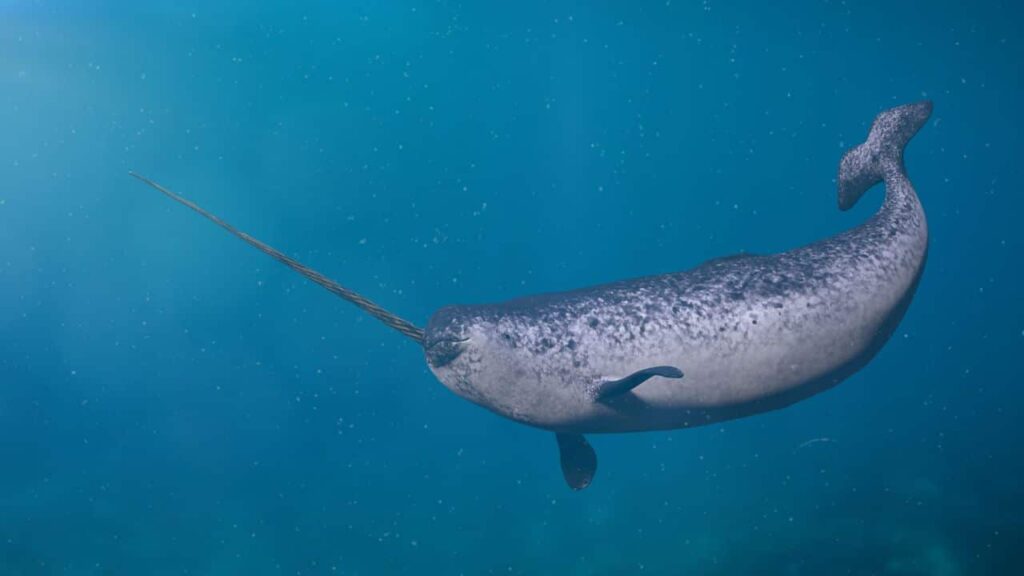
From the majestic narwhal to the colorful nudibranch, ocean animals that start with N reveal how naming connects us to nature. Many of these species are lesser-known, yet they play vital roles in their ecosystems. Whether you’re a student, nature enthusiast, or trivia lover, understanding these creatures builds a deeper appreciation for marine biodiversity.
Mammals
Narwhal (Monodon monoceros)
The narwhal is an Arctic-dwelling whale famous for its long, spiral tusk, which is actually a tooth. Males can grow tusks up to 3 meters long. These medium-sized whales live in icy waters and dive deeply in search of halibut, cod, and shrimp. They migrate seasonally and are known for their elusive, shy behavior. The narwhal is near threatened due to climate change and hunting pressures.
Fun Fact: The narwhal’s tusk can contain up to 10 million nerve endings.
| Attribute | Detail |
|---|---|
| Size | 4–5.5 m / 13–18 ft |
| Weight | 800–1,600 kg / 1,760–3,530 lbs |
| Lifespan | 40–50 years |
| Habitat | Arctic Ocean |
| Diet | Fish, shrimp, squid |
| Social Structure | Pods |
| Conservation | Near Threatened |
Fun Fact: Narwhals can dive over 1,800 meters deep!
Northern Elephant Seal (Mirounga angustirostris)
These large marine mammals are named for the male’s trunk-like nose. Northern elephant seals spend most of their lives at sea, only coming ashore to breed. Males are much larger than females and often battle for harems. Their deep-diving skills allow them to forage for squid and fish at great depths.
Fun Fact: They can hold their breath for over 100 minutes.
| Attribute | Detail |
|---|---|
| Size | 3–4 m / 10–13 ft |
| Weight | 400–2,300 kg / 880–5,070 lbs |
| Lifespan | 9–20 years |
| Habitat | Eastern Pacific Ocean |
| Diet | Squid, fish, rays |
| Social Structure | Solitary except during mating |
| Conservation | Least Concern |
Fun Fact: Male elephant seals can make sounds that travel over 1 kilometer.
Fish
Northern Pikefish (Dinolestes lewini)
Although more commonly found in estuarine environments, the northern pikefish also ventures into coastal ocean waters. It has an elongated body and sharp teeth, making it a fierce predator. It’s an ambush hunter, often lying in wait to strike quickly.
Fun Fact: It’s sometimes called the “ocean barracuda” in local Australian slang.
| Attribute | Detail |
|---|---|
| Size | 1–1.2 m / 3.3–4 ft |
| Weight | 10–15 kg / 22–33 lbs |
| Lifespan | Up to 15 years |
| Habitat | Southern Australia (coastal) |
| Diet | Fish, crustaceans |
| Social Structure | Solitary |
| Conservation | Least Concern |
Fun Fact: Pikefish can launch an attack in less than 0.1 seconds.
Northern Stargazer (Astroscopus guttatus)
This bottom-dwelling fish buries itself in the sand and uses electric organs to stun prey. Found in the western Atlantic, it has upward-facing eyes and a wide mouth for ambushing fish and crabs. Its camouflage is nearly perfect against sandy seafloors.
Fun Fact: It can deliver electric shocks to predators and prey.
| Attribute | Detail |
|---|---|
| Size | 40–55 cm / 16–22 in |
| Weight | 2–3 kg / 4.4–6.6 lbs |
| Lifespan | 8–10 years |
| Habitat | Western Atlantic Ocean |
| Diet | Small fish, crabs |
| Social Structure | Solitary |
| Conservation | Least Concern |
Fun Fact: The stargazer’s name comes from its eyes facing the sky while buried.
Invertebrates
Nudibranch (various species)
Nudibranchs are colorful, soft-bodied sea slugs found worldwide in ocean habitats. Their vivid patterns warn predators of toxicity. These slow-moving invertebrates feed on sponges, hydroids, and even other nudibranchs. They lack shells but often have ornate gills or horns.
Fun Fact: Some nudibranchs can absorb toxins or stingers from their prey and use them as defense.
| Attribute | Detail |
|---|---|
| Size | 0.5–30 cm / 0.2–12 in |
| Weight | A few grams to 1 kg |
| Lifespan | 1–12 months |
| Habitat | Coral reefs, seabeds |
| Diet | Sponges, hydroids |
| Social Structure | Solitary |
| Conservation | Not Evaluated |
Fun Fact: Over 3,000 species of nudibranchs exist!
Northern Rock Barnacle (Semibalanus balanoides)
These crustaceans anchor themselves to rocks in the intertidal zones of the North Atlantic. They have hard shells and feed by filtering plankton from seawater using feathery legs. Their life is synchronized with tidal rhythms.
Fun Fact: They can close their shells tight to conserve water during low tide.
| Attribute | Detail |
|---|---|
| Size | Up to 2.5 cm / 1 in |
| Weight | <100 g / 0.2 lbs |
| Lifespan | Up to 10 years |
| Habitat | North Atlantic shores |
| Diet | Plankton |
| Social Structure | Colonies |
| Conservation | Least Concern |
Fun Fact: They are hermaphroditic and can self-fertilize in harsh environments.
Mollusks
Nautilus (Nautilus pompilius)
The nautilus is a marine mollusk with a coiled, chambered shell used for buoyancy control. It lives in the Indo-Pacific region, especially around coral reefs and deep slopes. These ancient cephalopods are slow-moving and use tentacles to catch shrimp and other small prey. Nautiluses ascend at night to feed and descend by day to avoid predators. They’re often overharvested for their shells, which threatens their populations.
Fun Fact: Nautiluses have survived virtually unchanged for over 500 million years.
| Attribute | Detail |
|---|---|
| Size | 16–21 cm / 6–8 in |
| Weight | 0.9–1.5 kg / 2–3.3 lbs |
| Lifespan | Up to 20 years |
| Habitat | Indo-Pacific reefs/slopes |
| Diet | Crustaceans, fish, carrion |
| Social Structure | Solitary |
| Conservation | CITES Appendix II (declining) |
Fun Fact: The nautilus uses jet propulsion by expelling water to move backward.
Northern Abalone (Haliotis kamtschatkana)
This small sea snail is found along the Pacific Northwest coasts, clinging to rocks in kelp-rich environments. The northern abalone feeds on algae and plays a key role in the ecosystem by grazing excess growth. Its shiny shell is prized, which has led to severe overharvesting.
Fun Fact: Northern abalone can sense predators through chemical signals in water.
| Attribute | Detail |
|---|---|
| Size | 7–15 cm / 3–6 in |
| Weight | Up to 200 g / 0.4 lbs |
| Lifespan | 30–50 years |
| Habitat | Rocky Pacific coastal waters |
| Diet | Algae |
| Social Structure | Solitary |
| Conservation | Endangered (Canada) |
Fun Fact: Abalones have a muscular “foot” that helps them suction to rocks against waves.
Crustaceans
Northern Shrimp (Pandalus borealis)
These cold-water shrimp are found in the North Atlantic and Arctic Oceans, living on muddy ocean bottoms. Northern shrimp are important both ecologically and commercially. They’re born male and transition to female as they age — a process called protandry. They feed on plankton and detritus.
Fun Fact: Northern shrimp populations are indicators of ocean temperature changes.
| Attribute | Detail |
|---|---|
| Size | 6–12 cm / 2.4–4.7 in |
| Weight | Up to 30 g / 1 oz |
| Lifespan | 4–8 years |
| Habitat | Cold Atlantic seafloors |
| Diet | Plankton, algae, detritus |
| Social Structure | Aggregations |
| Conservation | Vulnerable to overfishing |
Fun Fact: They turn bright pink when cooked due to a pigment called astaxanthin.
Northern Lobster (Homarus americanus)
Also known as the American lobster, this crustacean is abundant in the Northwest Atlantic. It inhabits rocky ocean floors and uses its massive claws for defense and feeding. These lobsters are nocturnal and live in crevices or burrows. They’re commercially significant and closely monitored.
Fun Fact: Lobsters molt their shells several times before reaching adulthood.
| Attribute | Detail |
|---|---|
| Size | 25–60 cm / 10–24 in |
| Weight | 0.5–4.5 kg / 1–10 lbs |
| Lifespan | 30–50 years |
| Habitat | Northwest Atlantic Ocean |
| Diet | Mollusks, fish, algae |
| Social Structure | Solitary |
| Conservation | Least Concern (managed) |
Fun Fact: One claw is always larger and stronger — the “crusher.”
Cnidarians
Northern Sea Nettle (Chrysaora melanaster)
This jellyfish species inhabits northern Pacific and Arctic waters. It has a bell-shaped body and long trailing tentacles that deliver a mild sting. Northern sea nettles drift with the currents and feed on small fish, plankton, and eggs. They’re common in jellyfish blooms.
Fun Fact: Their tentacles can reach over 3 meters long.
| Attribute | Detail |
|---|---|
| Size | Bell diameter 30–60 cm / 12–24 in |
| Weight | 1–5 kg / 2.2–11 lbs |
| Lifespan | 1 year (in wild) |
| Habitat | Northern Pacific Ocean |
| Diet | Plankton, small fish |
| Social Structure | Solitary, sometimes swarms |
| Conservation | Not Evaluated |
Fun Fact: Despite their size, sea nettles are 95% water.
Northern Sea Anemone (Urticina felina)
These colorful, flower-like animals attach to rocks in cold waters of the North Atlantic. They use stinging tentacles to paralyze prey like small fish or shrimp. Anemones are sessile but can slowly move if threatened. Their bright colors help deter predators.
Fun Fact: They have no brain, but can respond to light and touch.
| Attribute | Detail |
|---|---|
| Size | 5–15 cm / 2–6 in |
| Weight | 100–200 g / 0.2–0.4 lbs |
| Lifespan | 50+ years |
| Habitat | North Atlantic seabeds |
| Diet | Fish, shrimp, plankton |
| Social Structure | Solitary or loose groupings |
| Conservation | Least Concern |
Fun Fact: Some crabs carry sea anemones on their shells for defense.
Needlefish (Family: Belonidae)
Needlefish are slender, fast-swimming fish found in tropical and temperate oceans worldwide, including near coral reefs and surface waters. Their long, pointed jaws are filled with sharp teeth, perfect for catching smaller fish. They often leap out of water, sometimes posing danger to boats and humans. Needlefish are carnivorous and hunt near the surface.
Fun Fact: Needlefish can accidentally impale themselves on boats due to their jumping behavior.
| Attribute | Detail |
|---|---|
| Size | 50–95 cm / 20–37 in |
| Weight | 1–2.5 kg / 2.2–5.5 lbs |
| Lifespan | 4–6 years |
| Habitat | Coastal oceans and estuaries |
| Diet | Smaller fish |
| Social Structure | Solitary or small groups |
| Conservation | Least Concern |
Fun Fact: Some needlefish species are bioluminescent in early development stages.
Notothen (Family: Nototheniidae)
Notothens are Antarctic bottom-dwelling fish adapted to freezing waters. They lack swim bladders and rely on body fat for buoyancy. These fish have antifreeze proteins in their blood, which prevents ice crystals from forming in their tissues. They play a key role in the Southern Ocean food web, serving as prey for seals and penguins.
Fun Fact: Notothens have blood that can remain liquid at subzero temperatures.
| Attribute | Detail |
|---|---|
| Size | 15–70 cm / 6–27 in |
| Weight | 1–3.5 kg / 2.2–7.7 lbs |
| Lifespan | 10–20 years |
| Habitat | Southern Ocean |
| Diet | Krill, fish, plankton |
| Social Structure | Variable |
| Conservation | Least Concern (some overfished) |
Fun Fact: Notothens are often called “icefish” due to their unique adaptations.
Northern Searobin (Prionotus carolinus)
This fish inhabits the Western Atlantic and is known for its “legs,” which are modified fins used to crawl along the sea bottom. It also uses them to detect prey in the sand. The searobin is colorful, with wing-like pectoral fins that it fans out when threatened. It feeds on crabs, worms, and small fish.
Fun Fact: Searobins can “grunt” using their swim bladder.
| Attribute | Detail |
|---|---|
| Size | 25–40 cm / 10–16 in |
| Weight | 1–2 kg / 2.2–4.4 lbs |
| Lifespan | Up to 8 years |
| Habitat | Western Atlantic seabeds |
| Diet | Worms, crustaceans, fish |
| Social Structure | Solitary |
| Conservation | Least Concern |
Fun Fact: The name “searobin” comes from their wing-like fins resembling bird wings.
Echinoderms
Northern Sea Star (Asterias vulgaris)
Also known as the common sea star, it thrives in the North Atlantic’s cold coastal waters. This species has five arms and can regenerate lost limbs. It preys on mollusks by prying open shells and extruding its stomach to digest prey externally. They are often used in marine biology studies due to their regeneration abilities.
Fun Fact: Sea stars have eyes at the tips of each arm.
| Attribute | Detail |
|---|---|
| Size | 15–25 cm / 6–10 in |
| Weight | 300–500 g / 0.6–1.1 lbs |
| Lifespan | Up to 10 years |
| Habitat | North Atlantic rocky coasts |
| Diet | Bivalves, snails, barnacles |
| Social Structure | Solitary or loose groupings |
| Conservation | Least Concern |
Fun Fact: Northern sea stars can clone themselves through asexual reproduction.
Tunicates
Northern Sea Squirt (Styela clava)
This solitary tunicate has a tough, leathery outer body and is found in cold and temperate waters. It filters plankton from seawater and often attaches to rocks, docks, or other surfaces. It’s considered invasive in many areas outside its native range, including the North Atlantic and Pacific coasts.
Fun Fact: Sea squirts are more closely related to vertebrates than most invertebrates.
| Attribute | Detail |
|---|---|
| Size | 10–15 cm / 4–6 in |
| Weight | Up to 200 g / 0.4 lbs |
| Lifespan | 1–2 years |
| Habitat | Temperate coastal waters |
| Diet | Plankton |
| Social Structure | Solitary |
| Conservation | Not Evaluated |
Fun Fact: Some sea squirts eat their own brain during metamorphosis!
Amphibians
Natterjack Toad (Epidalea calamita)
Though primarily terrestrial, this toad occasionally enters brackish coastal waters and sand dunes near oceans. It’s found in parts of Europe and can tolerate saline conditions better than many amphibians. Its loud mating call can be heard over long distances.
Fun Fact: The natterjack’s call is one of the loudest among European amphibians.
| Attribute | Detail |
|---|---|
| Size | 6–8 cm / 2.4–3.1 in |
| Weight | 15–25 g / 0.5–0.9 oz |
| Lifespan | Up to 15 years |
| Habitat | Coastal dunes and wetlands |
| Diet | Insects, spiders |
| Social Structure | Solitary except mating |
| Conservation | Near Threatened (in some regions) |
Fun Fact: Unlike most toads, it prefers running to hopping!
Northern Anchovy (Engraulis mordax)
The northern anchovy is a small schooling fish found along the Pacific coast of North America, particularly from British Columbia to Baja California. These silvery fish form massive schools and serve as a critical food source for larger fish, marine mammals, and seabirds. Anchovies feed on plankton and are filter feeders, often swimming with mouths open to capture food.
Fun Fact: Northern anchovies can sense minute changes in water pressure, helping them stay together in tight schools.
| Attribute | Detail |
|---|---|
| Size | 10–15 cm / 4–6 in |
| Weight | 10–30 g / 0.35–1 oz |
| Lifespan | 4–7 years |
| Habitat | Eastern Pacific Ocean |
| Diet | Plankton |
| Social Structure | Large schools |
| Conservation | Least Concern |
Fun Fact: Anchovy schools can contain millions of individuals.
Northern Lanternfish (Symbolophorus californiensis)
Lanternfish are small, deep-sea dwellers known for their bioluminescent organs. The northern lanternfish migrates vertically each day — rising to feed at night and returning to the depths by day. Found in the North Pacific, they’re a major food source for whales and seabirds. Their glowing bodies help with communication and camouflage.
Fun Fact: Lanternfish are thought to make up over 60% of all deep-sea fish biomass.
| Attribute | Detail |
|---|---|
| Size | 5–7 cm / 2–2.8 in |
| Weight | ~5 g / 0.2 oz |
| Lifespan | 1–4 years |
| Habitat | Deep North Pacific Ocean |
| Diet | Zooplankton, copepods |
| Social Structure | Massive schools |
| Conservation | Not Evaluated |
Fun Fact: Lanternfish perform one of the largest daily migrations on Earth — from 1,000+ meters to the surface!
Northern Clingfish (Gobiesox maeandricus)
This small, flattened fish uses a suction disc formed from its pelvic fins to cling to rocks in intertidal zones along the Pacific Northwest coast. Its body is slimy and flexible, allowing it to squeeze into tight crevices to avoid predators and strong waves. It feeds on small crustaceans and marine invertebrates.
Fun Fact: Its suction disc can hold better than any man-made suction cup — even on wet, slimy surfaces!
| Attribute | Detail |
|---|---|
| Size | 6–10 cm / 2.4–4 in |
| Weight | ~10 g / 0.35 oz |
| Lifespan | 2–3 years |
| Habitat | Rocky intertidal Pacific Coast |
| Diet | Crustaceans, mollusks |
| Social Structure | Solitary |
| Conservation | Least Concern |
Fun Fact: Clingfish inspired new bio-adhesive technologies for surgery and robotics.
Invertebrates
Notodoris (Notodoris minor and others)
Notodoris is a genus of vividly colored, often yellow or green nudibranchs found in tropical coral reefs of the Indo-Pacific. These large nudibranchs feed exclusively on sponges and are easily recognizable by their bright colors and large size. They secrete toxins as a defense mechanism and are rarely preyed upon.
Fun Fact: Their warning coloration helps deter predators from even trying a taste.
| Attribute | Detail |
|---|---|
| Size | 10–25 cm / 4–10 in |
| Weight | Up to 500 g / 1.1 lbs |
| Lifespan | 1 year |
| Habitat | Indo-Pacific coral reefs |
| Diet | Sponges |
| Social Structure | Solitary |
| Conservation | Not Evaluated |
Fun Fact: Notodoris nudibranchs are hermaphrodites — each individual has both male and female organs.
Birds (Marine/Coastal)
Northern Gannet (Morus bassanus)
These striking white seabirds with black-tipped wings breed in large colonies on cliffs in the North Atlantic. They dive from great heights into the ocean, folding their wings and hitting the water at speeds over 100 km/h to catch fish. Gannets nest in dense colonies and have strong pair bonds.
Fun Fact: Gannets have air sacs in their faces and chests to cushion impact during dives.
| Attribute | Detail |
|---|---|
| Size | 85–100 cm / 33–39 in |
| Weight | 2.5–3.6 kg / 5.5–8 lbs |
| Lifespan | Up to 35 years |
| Habitat | North Atlantic coasts |
| Diet | Fish (especially herring) |
| Social Structure | Large colonies |
| Conservation | Least Concern |
Fun Fact: Young gannets take several years to develop adult plumage.
Northern Fulmar (Fulmarus glacialis)
These gull-like seabirds live across the cold North Atlantic and Pacific. They’re capable of long-distance flight and spend most of their lives at sea. Fulmars produce a foul-smelling oil that they can projectile vomit at predators as defense. They nest on cliffs and feed on squid, fish, and zooplankton.
Fun Fact: Fulmars are part of the same family as albatrosses.
| Attribute | Detail |
|---|---|
| Size | 46–51 cm / 18–20 in |
| Weight | 450–1,000 g / 1–2.2 lbs |
| Lifespan | 30–40 years |
| Habitat | Arctic and sub-Arctic oceans |
| Diet | Fish, squid, zooplankton |
| Social Structure | Colonies |
| Conservation | Least Concern |
Fun Fact: Their name means “foul gull” due to their defensive vomit.
Mollusks
Northern Quahog (Mercenaria mercenaria)
Also known as the hard clam, this bivalve is found along the eastern seaboard of North America. It burrows in sandy ocean floors and feeds by filtering plankton through its siphons. Quahogs are a staple in seafood cuisine and also play an important role in filtering water in coastal habitats.
Fun Fact: Some quahogs have been aged at over 500 years old — the oldest living non-colonial animal.
| Attribute | Detail |
|---|---|
| Size | 5–12 cm / 2–5 in |
| Weight | Up to 300 g / 0.66 lbs |
| Lifespan | 40–500 years (species-dependent) |
| Habitat | Eastern U.S. coastal waters |
| Diet | Plankton |
| Social Structure | Clumped distributions |
| Conservation | Least Concern |
Fun Fact: A quahog named “Ming” lived to be 507 years old.
Reptiles
Northern Diamondback Terrapin (Malaclemys terrapin terrapin)
This brackish-water turtle inhabits the estuaries, salt marshes, and coastal lagoons of the eastern U.S. It’s known for its speckled skin and diamond-patterned shell. It feeds on crustaceans, mollusks, and small fish and is often seen basking during low tide. Although not fully oceanic, it thrives in marine-adjacent environments.
Fun Fact: These turtles can excrete excess salt through specialized glands in their eyes.
| Attribute | Detail |
|---|---|
| Size | 13–23 cm / 5–9 in |
| Weight | 300–600 g / 0.7–1.3 lbs |
| Lifespan | 25–40 years |
| Habitat | Estuaries, coastal marshes |
| Diet | Crustaceans, mollusks |
| Social Structure | Solitary |
| Conservation | Near Threatened |
Fun Fact: Terrapins were once so popular in cuisine, U.S. President Taft had them regularly served at White House dinners.
Read: Spanish Animals That Start With A
Read: Big Animals That Start With E
Read: Marine Animals That Start With I
Read: Wild Animals That Start With X
Read: Sea Animals That Start With L
FAQs About Ocean Species (H2)
How do animals adapt to life in the ocean?
Ocean animals have unique adaptations like streamlined bodies, salt glands, bioluminescence, and the ability to dive or withstand pressure. These traits help them survive and thrive in marine environments.
What role do ocean animals play in the ecosystem?
They form a complex food web — from plankton-feeding anchovies to apex predators like whales. Many also help clean the water or maintain reef health.
Are there still undiscovered ocean animals?
Yes! Scientists estimate that up to two-thirds of marine species remain unidentified, especially in deep-sea habitats.
How can I help protect ocean animals?
Support marine conservation efforts, reduce plastic use, avoid overfished seafood, and educate others about the importance of marine biodiversity.
Conclusion
From the narwhal to the northern sea star, the variety of ocean animals that start with N showcases the rich and surprising biodiversity found beneath the waves. These species, big and small, contribute to the complex web of marine life and remind us just how little we still know about our oceans. Whether you’re exploring out of curiosity or studying for a project, this collection offers a glimpse into the natural world’s remarkable range. Keep diving deeper — nature’s alphabet is full of wonders.