
50+ Big Animals That Start With E: Photos, Facts & Fun
If you’re fascinated by wildlife, you’re in for a treat! This complete guide explores over 50 big animals that start with the letter E, showcasing their diverse habitats, diets, sizes, and unique behaviors. From land-roaming elephants to ocean-dwelling eagle rays, we’ve grouped them by species type — mammals, birds, reptiles, fish, and more — to give you a clearer view of nature’s incredible variety. Whether you’re building a classroom project, writing trivia, or just expanding your knowledge, you’ll find every large ‘E’ animal worth knowing.
Let’s journey through this alphabetical animal adventure, beginning with one of the most iconic mammals on Earth.
Big Animals That Start With E
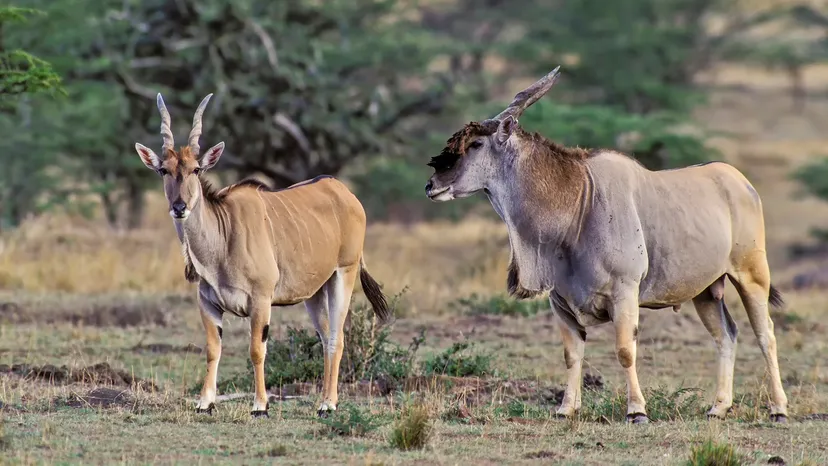
Animals with names starting with E span continents and ecosystems, offering surprising diversity in both size and species. From endangered megafauna like elephants to elusive marine giants like the European conger, many of these creatures play vital ecological roles. Learning about them deepens our understanding of how life adapts and thrives across our planet.
1. Elephant (Loxodonta africana)
The African elephant is the largest land mammal in the world. Found across sub-Saharan Africa, these massive herbivores roam savannahs, forests, and even deserts. They use their large ears for thermoregulation and their trunks for breathing, drinking, and grasping. Social animals, elephants live in matriarchal herds led by the oldest female. Their diet includes grasses, bark, roots, and fruit. Sadly, elephants face threats from habitat loss and poaching.
Quick Facts
| Attribute | Detail |
|---|---|
| Size | 3–4 m (9.8–13.1 ft) |
| Weight | 4,000–6,000 kg (8,800–13,200 lb) |
| Lifespan | 60–70 years |
| Habitat | Grasslands, forests, savannahs |
| Diet | Grasses, fruits, bark |
| Social Structure | Herd |
| Conservation | Endangered |
| Fun Fact: Elephants can recognize themselves in mirrors — a rare sign of self-awareness. |
2. Elk (Cervus canadensis)
Also known as wapiti, elk are one of the largest species of deer, native to North America and parts of Asia. Males are known for their impressive antlers, which they shed and regrow yearly. Elk prefer open woodlands, meadows, and mountainous areas. Their diet consists of grasses, shrubs, and tree bark. During mating season (rut), bulls bugle to attract females and challenge rivals.
Quick Facts
| Attribute | Detail |
|---|---|
| Size | 1.5 m (5 ft) at shoulder |
| Weight | 320–500 kg (700–1,100 lb) |
| Lifespan | 10–15 years |
| Habitat | Forests, meadows, mountains |
| Diet | Grasses, shrubs, bark |
| Social Structure | Herd |
| Conservation | Least Concern |
| Fun Fact: Elk can run up to 72 km/h (45 mph) when threatened. |
3. Eastern Lowland Gorilla (Gorilla beringei graueri)
The eastern lowland gorilla is the largest of all gorilla subspecies, found in the dense rainforests of the Democratic Republic of the Congo. These gentle giants live in groups led by a dominant silverback male. They feed on fruits, leaves, stems, and bark. Despite their size, they are shy and rarely aggressive. Deforestation and conflict have placed them on the brink of extinction.
Quick Facts
| Attribute | Detail |
|---|---|
| Size | 1.7 m (5.6 ft) tall |
| Weight | 140–200 kg (310–440 lb) |
| Lifespan | 30–40 years |
| Habitat | Tropical rainforests |
| Diet | Fruits, leaves, stems |
| Social Structure | Troop |
| Conservation | Critically Endangered |
| Fun Fact: Each gorilla’s nose print is as unique as a human fingerprint. |
4. Eurasian Lynx (Lynx lynx)
The Eurasian lynx is one of the largest wild cat species in Europe and Asia. It has tufted ears, powerful limbs, and a short tail. It prefers dense forests and mountainous terrain, preying on deer, hares, and birds. Solitary and nocturnal, the lynx is rarely seen in the wild. Conservation programs have helped stabilize some populations.
Quick Facts
| Attribute | Detail |
|---|---|
| Size | 70 cm (27.5 in) shoulder height |
| Weight | 18–30 kg (40–66 lb) |
| Lifespan | 10–15 years |
| Habitat | Forests, mountains |
| Diet | Deer, hares, birds |
| Social Structure | Solitary |
| Conservation | Least Concern |
| Fun Fact: The lynx can leap over 2 meters (6.5 ft) high from a standstill. |
5. Emu (Dromaius novaehollandiae)
Native to Australia, the emu is the second-largest bird in the world. Though flightless, it can sprint at high speeds thanks to its long legs. Emus inhabit open plains, woodlands, and grasslands. They feed on seeds, fruits, insects, and small animals. Males incubate the eggs and raise the chicks. While generally docile, they can deliver powerful kicks when threatened.
Quick Facts
| Attribute | Detail |
|---|---|
| Size | 1.5–1.9 m (4.9–6.2 ft) tall |
| Weight | 30–45 kg (66–99 lb) |
| Lifespan | 10–20 years |
| Habitat | Grasslands, woodlands |
| Diet | Fruits, seeds, insects |
| Social Structure | Solitary or pairs |
| Conservation | Least Concern |
| Fun Fact: Emus can swim and are surprisingly strong swimmers. |
6. European Bison (Bison bonasus)
Also known as wisent, the European bison is Europe’s heaviest land mammal. Once extinct in the wild, reintroduction programs have brought it back to forests in Eastern Europe. It feeds on grasses, leaves, and bark, living in small herds. Despite its bulk, it can gallop at surprising speeds. Human conservation efforts have been crucial to its survival.
Quick Facts
| Attribute | Detail |
|---|---|
| Size | 1.8–2 m (5.9–6.6 ft) at shoulder |
| Weight | 400–920 kg (880–2,030 lb) |
| Lifespan | 15–20 years |
| Habitat | Temperate forests |
| Diet | Grasses, bark, herbs |
| Social Structure | Herd |
| Conservation | Near Threatened |
| Fun Fact: European bison were reintroduced from just 12 individuals — a conservation success story. |
7. Eagle Ray (Myliobatidae spp.)
Eagle rays are large, cartilaginous fish found in warm and temperate oceans worldwide. They are known for their graceful swimming and wing-like pectoral fins. Eagle rays feed on mollusks and crustaceans, using their flat teeth to crush shells. Often seen gliding in schools, some species can leap out of the water. They inhabit coastal and reef waters.
Quick Facts
| Attribute | Detail |
|---|---|
| Size | Up to 3 m (9.8 ft) wingspan |
| Weight | Up to 230 kg (507 lb) |
| Lifespan | 15–25 years |
| Habitat | Coastal waters, reefs |
| Diet | Mollusks, crustaceans |
| Social Structure | Solitary or schools |
| Conservation | Varies by species |
| Fun Fact: Some eagle rays can jump over 2 meters (6.5 ft) out of the water. |
8. Egyptian Goose (Alopochen aegyptiaca)
Native to Africa and introduced to parts of Europe, the Egyptian goose is a large, striking waterfowl with bold markings. Found near lakes, rivers, and wetlands, it feeds on grass, seeds, and aquatic plants. They are monogamous and highly territorial during breeding. These birds are adaptable and can thrive in urban environments.
Quick Facts
| Attribute | Detail |
|---|---|
| Size | 63–73 cm (24.8–28.7 in) |
| Weight | 1.5–2.3 kg (3.3–5.1 lb) |
| Lifespan | 15–25 years |
| Habitat | Wetlands, rivers, parks |
| Diet | Grass, grains, aquatic plants |
| Social Structure | Pairs or flocks |
| Conservation | Least Concern |
| Fun Fact: Egyptian geese were sacred in ancient Egypt and featured in tomb paintings. |
9. Eel (Anguilliformes spp.)
Eels are elongated, snake-like fish found in both freshwater and saltwater environments around the world. The most well-known, the European eel, migrates thousands of kilometers from rivers to the Sargasso Sea to breed. Eels feed on small fish, insects, and crustaceans. Some species can live up to 85 years. Their mysterious life cycles have fascinated scientists for centuries.
Quick Facts
| Attribute | Detail |
|---|---|
| Size | 60–150 cm (2–5 ft) |
| Weight | 2–6 kg (4.4–13.2 lb) |
| Lifespan | 10–85 years |
| Habitat | Rivers, lakes, oceans |
| Diet | Fish, insects, crustaceans |
| Social Structure | Solitary |
| Conservation | Critically Endangered (European Eel) |
| Fun Fact: European eels travel over 6,000 km (3,700 miles) to spawn in the Sargasso Sea. |
10. Eastern Bluebird (Sialia sialis)
This vibrant songbird is a common sight in eastern North America. Males are bright blue with a rusty red chest, while females have more subdued colors. Eastern bluebirds prefer open fields and woodlands where they feed on insects, berries, and worms. They often nest in tree cavities or nest boxes and are highly territorial during breeding season.
Quick Facts
| Attribute | Detail |
|---|---|
| Size | 16–21 cm (6.3–8.3 in) |
| Weight | 27–34 g (0.95–1.2 oz) |
| Lifespan | 6–10 years |
| Habitat | Fields, orchards, woodlands |
| Diet | Insects, berries, worms |
| Social Structure | Pairs or small groups |
| Conservation | Least Concern |
| Fun Fact: Bluebird populations bounced back thanks to widespread nesting box programs. |
11. Eurasian Eagle-Owl (Bubo bubo)
One of the largest owl species in the world, the Eurasian eagle-owl boasts a 2-meter wingspan and bright orange eyes. Found across Europe and Asia, it thrives in rocky outcrops, forests, and cliffs. It feeds on mammals, birds, and reptiles, using its powerful talons. This nocturnal predator is solitary and fiercely territorial.
Quick Facts
| Attribute | Detail |
|---|---|
| Size | 60–75 cm (23.6–29.5 in) |
| Weight | 2–4.2 kg (4.4–9.3 lb) |
| Lifespan | 20–30 years |
| Habitat | Forests, cliffs, rocky areas |
| Diet | Rodents, birds, reptiles |
| Social Structure | Solitary |
| Conservation | Least Concern |
| Fun Fact: Despite its size, the eagle-owl can fly almost silently thanks to specialized feathers. |
12. Eastern Diamondback Rattlesnake (Crotalus adamanteus)
The eastern diamondback is the largest venomous snake in North America. It inhabits pine forests and coastal plains in the southeastern U.S. Recognizable by its diamond-shaped pattern, it uses its rattle as a warning before striking. The snake feeds on rabbits, rodents, and birds, delivering a potent venom through hinged fangs.
Quick Facts
| Attribute | Detail |
|---|---|
| Size | 1.5–2.4 m (4.9–7.9 ft) |
| Weight | Up to 6.7 kg (15 lb) |
| Lifespan | 10–20 years |
| Habitat | Pine forests, grasslands |
| Diet | Rodents, birds, rabbits |
| Social Structure | Solitary |
| Conservation | Near Threatened |
| Fun Fact: Eastern diamondbacks can strike at one-third of their body length in milliseconds. |
13. European Conger (Conger conger)
The European conger is a powerful, eel-like fish found in the eastern Atlantic and Mediterranean. It’s the largest conger species, often found hiding in rocky crevices or wrecks during the day. Nocturnal and carnivorous, it feeds on fish, squid, and crustaceans. Spawning occurs once at sea, after which the adult dies.
Quick Facts
| Attribute | Detail |
|---|---|
| Size | 1.5–2 m (4.9–6.6 ft) |
| Weight | 50–70 kg (110–154 lb) |
| Lifespan | 10–20 years |
| Habitat | Rocky coastal areas, wrecks |
| Diet | Fish, crustaceans, squid |
| Social Structure | Solitary |
| Conservation | Least Concern |
| Fun Fact: Some congers can reach over 3 meters (10 ft) in exceptional cases. |
14. Eastern Brown Snake (Pseudonaja textilis)
Found in Australia, this slender but highly venomous snake is responsible for most snakebite fatalities on the continent. Despite its name, its color can vary from light tan to dark brown. It prefers dry open grasslands and feeds on rodents and frogs. It is fast-moving, defensive, and extremely dangerous if provoked.
Quick Facts
| Attribute | Detail |
|---|---|
| Size | 1.1–2 m (3.6–6.6 ft) |
| Weight | Up to 2 kg (4.4 lb) |
| Lifespan | 10–15 years |
| Habitat | Grasslands, scrublands |
| Diet | Rodents, frogs, reptiles |
| Social Structure | Solitary |
| Conservation | Least Concern |
| Fun Fact: Despite its lethal bite, the eastern brown is shy and will flee if given the chance. |
15. Egyptian Vulture (Neophron percnopterus)
This striking white and black vulture is found across southern Europe, northern Africa, and parts of Asia. Known for using tools to crack eggs, it’s one of the few tool-using birds. Egyptian vultures feed on carrion, feces, and food scraps. They’re monogamous and migrate seasonally. Populations have declined due to poisoning and habitat loss.
Quick Facts
| Attribute | Detail |
|---|---|
| Size | 85–95 cm (33–37 in) |
| Weight | 1.6–2.2 kg (3.5–4.9 lb) |
| Lifespan | 20–30 years |
| Habitat | Arid plains, cliffs, savannahs |
| Diet | Carrion, eggs, waste |
| Social Structure | Pairs or loose groups |
| Conservation | Endangered |
| Fun Fact: Egyptian vultures crack ostrich eggs by throwing stones — one of few birds known to use tools. |
16. European Hare (Lepus europaeus)
The European hare is a large, fast-running mammal native to Europe and parts of Asia. It thrives in open fields and agricultural areas, where it feeds on grasses and herbs. Known for its powerful hind legs, it can reach speeds of up to 70 km/h (43 mph). Unlike rabbits, hares do not burrow and give birth above ground. They are primarily nocturnal and solitary.
Quick Facts
| Attribute | Detail |
|---|---|
| Size | 60–75 cm (23.6–29.5 in) |
| Weight | 3–6 kg (6.6–13.2 lb) |
| Lifespan | 4–12 years |
| Habitat | Fields, meadows, farmland |
| Diet | Grasses, herbs, bark |
| Social Structure | Solitary |
| Conservation | Least Concern |
| Fun Fact: European hares can leap over 2 meters (6.5 ft) in a single bound. |
17. Eastern Indigo Snake (Drymarchon couperi)
This non-venomous snake is the longest native snake in North America. Found primarily in the southeastern U.S., the eastern indigo snake inhabits pine forests and swamps. It has a glossy, iridescent black-blue body and is a powerful predator, feeding on rodents, birds, frogs, and even venomous snakes. It is active during the day and highly adaptable.
Quick Facts
| Attribute | Detail |
|---|---|
| Size | 2–2.8 m (6.6–9.2 ft) |
| Weight | 1–4.5 kg (2.2–9.9 lb) |
| Lifespan | 10–15 years |
| Habitat | Pine forests, wetlands |
| Diet | Rodents, frogs, snakes |
| Social Structure | Solitary |
| Conservation | Threatened |
| Fun Fact: The indigo snake is immune to the venom of rattlesnakes and often preys on them. |
18. Elephant Seal (Mirounga spp.)
Elephant seals are massive marine mammals named for the males’ large, trunk-like noses. There are two species — northern and southern — both known for their incredible diving ability and massive size. Males can weigh several tons and dominate harems during breeding season. These seals are found along Pacific and sub-Antarctic coasts, feeding on fish and squid in deep waters.
Quick Facts
| Attribute | Detail |
|---|---|
| Size | 4–6 m (13–20 ft) |
| Weight | 1,500–4,000 kg (3,300–8,800 lb) |
| Lifespan | 14–21 years |
| Habitat | Coastal beaches, open ocean |
| Diet | Fish, squid |
| Social Structure | Colonies |
| Conservation | Least Concern |
| Fun Fact: Elephant seals can hold their breath for over 2 hours during deep dives. |
19. Ethiopian Wolf (Canis simensis)
This rare canine is Africa’s most endangered carnivore and is found only in the Ethiopian highlands. It resembles a red fox but is more closely related to gray wolves. The Ethiopian wolf lives in packs but hunts alone, feeding mostly on rodents. Habitat fragmentation and disease from domestic dogs threaten its survival.
Quick Facts
| Attribute | Detail |
|---|---|
| Size | 84–100 cm (33–39 in) |
| Weight | 11–19 kg (24–42 lb) |
| Lifespan | 8–10 years |
| Habitat | Alpine grasslands, highlands |
| Diet | Rodents |
| Social Structure | Pack |
| Conservation | Endangered |
| Fun Fact: Fewer than 500 Ethiopian wolves remain in the wild. |
20. European Badger (Meles meles)
The European badger is a stocky nocturnal mammal native to much of Europe and parts of Asia. It inhabits woodlands, grasslands, and farmland, where it digs complex tunnel systems called setts. Badgers are omnivorous, feeding on earthworms, insects, fruit, and small mammals. They live in social groups and maintain territories.
Quick Facts
| Attribute | Detail |
|---|---|
| Size | 60–90 cm (24–35 in) |
| Weight | 7–13 kg (15–29 lb) |
| Lifespan | 8–14 years |
| Habitat | Forests, farmland, grasslands |
| Diet | Earthworms, insects, berries |
| Social Structure | Clan |
| Conservation | Least Concern |
| Fun Fact: A badger sett can have multiple entrances and be used for generations. |
21. European Green Lizard (Lacerta viridis)
This large lizard species is native to central and southeastern Europe. Males are often bright green with blue throats during breeding season. It lives in warm, open habitats with dense ground cover, such as meadows and woodland edges. It feeds on insects, spiders, and small invertebrates. Despite its size, it’s shy and fast-moving.
Quick Facts
| Attribute | Detail |
|---|---|
| Size | 25–40 cm (10–16 in) |
| Weight | 50–100 g (1.7–3.5 oz) |
| Lifespan | 5–10 years |
| Habitat | Meadows, woodlands, scrublands |
| Diet | Insects, spiders |
| Social Structure | Solitary |
| Conservation | Least Concern |
| Fun Fact: If threatened, it can shed its tail and regrow it later. |
22. Eastern Screech Owl (Megascops asio)
This small but fierce owl is common across eastern North America. Despite its name, it doesn’t screech — it trills or whinnies. Found in forests, suburbs, and even city parks, the owl hunts insects, rodents, and small birds. It nests in tree cavities and is nocturnal, using excellent camouflage to remain hidden during the day.
Quick Facts
| Attribute | Detail |
|---|---|
| Size | 16–25 cm (6.3–9.8 in) |
| Weight | 120–240 g (4.2–8.5 oz) |
| Lifespan | 8–10 years |
| Habitat | Forests, suburbs, parks |
| Diet | Insects, rodents, birds |
| Social Structure | Solitary or pairs |
| Conservation | Least Concern |
| Fun Fact: These owls come in two colors — gray or reddish — for better camouflage. |
23. Eastern Grey Kangaroo (Macropus giganteus)
One of Australia’s most iconic species, the eastern grey kangaroo is a large marsupial known for its bounding gait and strong hind legs. It lives in woodlands and grasslands and feeds mostly on grasses. Males can be very large and box each other during fights for dominance. They live in mobs and are most active during dusk and dawn.
Quick Facts
| Attribute | Detail |
|---|---|
| Size | 1.5–2.1 m (5–6.9 ft) including tail |
| Weight | 50–90 kg (110–198 lb) |
| Lifespan | 6–8 years (wild) |
| Habitat | Grasslands, woodlands |
| Diet | Grasses, shrubs |
| Social Structure | Mob |
| Conservation | Least Concern |
| Fun Fact: Eastern grey kangaroos can cover 8–9 meters (26–30 ft) in a single leap. |
24. European Polecat (Mustela putorius)
This medium-sized carnivore is native to Europe and western Asia. It’s the wild ancestor of the domesticated ferret. Polecats prefer forests and wetlands and are nocturnal hunters of rodents, frogs, birds, and insects. They produce a strong musky odor when threatened. Their populations are generally stable, though they’re vulnerable to road deaths.
Quick Facts
| Attribute | Detail |
|---|---|
| Size | 35–45 cm (14–18 in) |
| Weight | 0.7–1.5 kg (1.5–3.3 lb) |
| Lifespan | 4–8 years |
| Habitat | Woodlands, marshes, farmland |
| Diet | Rodents, amphibians, insects |
| Social Structure | Solitary |
| Conservation | Least Concern |
| Fun Fact: The name “polecat” comes from the French word for “stinking cat.” |
25. Eurasian Spoonbill (Platalea leucorodia)
The Eurasian spoonbill is a large white wading bird with a distinctive flat, spatula-shaped bill. Found in wetlands across Europe, Asia, and northern Africa, it forages by sweeping its bill side-to-side in shallow waters to catch fish, crustaceans, and insects. These birds are colonial nesters, often breeding in reed beds or on islands. They migrate seasonally, traveling great distances.
Quick Facts
| Attribute | Detail |
|---|---|
| Size | 80–93 cm (31–37 in) |
| Weight | 1.2–2 kg (2.6–4.4 lb) |
| Lifespan | 10–15 years |
| Habitat | Wetlands, lakes, estuaries |
| Diet | Fish, insects, crustaceans |
| Social Structure | Colonies |
| Conservation | Least Concern |
| Fun Fact: Their spoon-shaped bills are highly sensitive and can detect prey in murky water. |
26. Eastern Box Turtle (Terrapene carolina carolina)
This colorful, dome-shelled turtle is native to the eastern United States. It inhabits forests, meadows, and wetlands, where it feeds on worms, insects, berries, and fungi. Eastern box turtles are known for their ability to completely close their shells. They have strong homing instincts and often live in the same small area their entire lives.
Quick Facts
| Attribute | Detail |
|---|---|
| Size | 11–15 cm (4.3–5.9 in) |
| Weight | 0.5–1 kg (1.1–2.2 lb) |
| Lifespan | 30–50 years (some over 100) |
| Habitat | Forests, wetlands, grasslands |
| Diet | Insects, fruit, fungi |
| Social Structure | Solitary |
| Conservation | Vulnerable |
| Fun Fact: Eastern box turtles can live for more than 100 years in the wild. |
27. European Fire Salamander (Salamandra salamandra)
With its striking black and yellow coloration, the European fire salamander is one of the most recognizable amphibians in Europe. It inhabits moist, wooded areas and emerges at night or during rain to hunt insects, worms, and slugs. When threatened, it can secrete toxins from its skin as a defense.
Quick Facts
| Attribute | Detail |
|---|---|
| Size | 14–20 cm (5.5–7.9 in) |
| Weight | 40–60 g (1.4–2.1 oz) |
| Lifespan | 10–20 years |
| Habitat | Forests, near streams |
| Diet | Insects, worms, slugs |
| Social Structure | Solitary |
| Conservation | Least Concern |
| Fun Fact: Its name comes from the myth that salamanders could survive fire — a reference to their bold color. |
28. Eastern Rosella (Platycercus eximius)
The eastern rosella is a vividly colored parrot found in southeastern Australia and Tasmania. With bright red heads, yellow bellies, and multicolored feathers, they’re favorites among birdwatchers and breeders. They inhabit woodlands and gardens, feeding on seeds, fruits, and insects. Rosellas are cavity nesters and form strong monogamous bonds.
Quick Facts
| Attribute | Detail |
|---|---|
| Size | 30 cm (11.8 in) |
| Weight | 90–120 g (3.1–4.2 oz) |
| Lifespan | 15–20 years |
| Habitat | Woodlands, farmlands, gardens |
| Diet | Seeds, fruit, insects |
| Social Structure | Pairs or small flocks |
| Conservation | Least Concern |
| Fun Fact: Eastern rosellas often mimic the calls of other birds and environmental sounds. |
29. Eurasian Magpie (Pica pica)
One of the most intelligent birds in the world, the Eurasian magpie is easily recognized by its black-and-white plumage and long tail. Common across Europe and Asia, magpies thrive in varied habitats including farmland, forests, and cities. Omnivorous and curious, they feed on insects, grains, eggs, and even small mammals. They live in complex social groups and are known for their problem-solving skills.
Quick Facts
| Attribute | Detail |
|---|---|
| Size | 44–46 cm (17.3–18.1 in) |
| Weight | 200–250 g (7–8.8 oz) |
| Lifespan | 5–15 years |
| Habitat | Woodlands, farms, cities |
| Diet | Insects, grains, small animals |
| Social Structure | Flocks |
| Conservation | Least Concern |
| Fun Fact: Eurasian magpies can recognize themselves in mirrors — a rare cognitive trait. |
30. Eastern Coral Snake (Micrurus fulvius)
This brightly colored venomous snake is native to the southeastern United States. Its red, yellow, and black bands serve as a warning to predators. Despite its potency, it is secretive and rarely bites humans. Coral snakes inhabit pine forests, scrublands, and sandy areas, where they prey on other snakes and lizards.
Quick Facts
| Attribute | Detail |
|---|---|
| Size | 60–120 cm (2–4 ft) |
| Weight | 0.5–1 kg (1.1–2.2 lb) |
| Lifespan | 7–10 years |
| Habitat | Forests, sandy soils, scrub |
| Diet | Snakes, lizards, amphibians |
| Social Structure | Solitary |
| Conservation | Least Concern |
| Fun Fact: Coral snakes have fixed front fangs and must chew to deliver venom. |
31. European Herring Gull (Larus argentatus)
This large, noisy gull is common along European coasts and increasingly in urban areas. It has a white body, grey wings, and a yellow beak with a red spot. These opportunistic omnivores scavenge food from beaches, bins, and fishing boats. Though common, they’re protected in some regions due to declining nesting areas.
Quick Facts
| Attribute | Detail |
|---|---|
| Size | 55–67 cm (21.6–26.3 in) |
| Weight | 750–1,250 g (1.6–2.7 lb) |
| Lifespan | 20–30 years |
| Habitat | Coasts, estuaries, cities |
| Diet | Fish, garbage, invertebrates |
| Social Structure | Colonies |
| Conservation | Least Concern |
| Fun Fact: Herring gull chicks peck at the red spot on the parent’s bill to signal feeding time. |
32. Eastern Tent Caterpillar (Malacosoma americanum)
While technically not a “big” adult animal, these caterpillars are large for their kind and known for their communal webs. Found in eastern North America, they defoliate trees like cherry and apple in spring. They live in large silken tents, emerging during the day to feed. Though harmless to humans, they can defoliate entire trees during outbreaks.
Quick Facts
| Attribute | Detail |
|---|---|
| Size | 5–7.5 cm (2–3 in) |
| Weight | ~2–3 g |
| Lifespan | Few weeks (caterpillar stage) |
| Habitat | Forests, orchards |
| Diet | Tree leaves (cherry, apple) |
| Social Structure | Colonies |
| Conservation | Not Evaluated |
| Fun Fact: These caterpillars synchronize their feeding times using vibrations and scent trails. |
33. Egyptian Mau (Felis catus – Egyptian Mau breed)
The Egyptian Mau is one of the few naturally spotted domestic cat breeds. Known for its grace and speed, it can run up to 48 km/h (30 mph), making it one of the fastest domestic cats. With its striking green eyes and spotted coat, the Mau is elegant and agile. Originating from Egypt, it is now bred globally. It is affectionate with family but cautious with strangers.
Quick Facts
| Attribute | Detail |
|---|---|
| Size | 30–36 cm (11.8–14.2 in) |
| Weight | 3–6 kg (6.6–13.2 lb) |
| Lifespan | 12–16 years |
| Habitat | Domesticated |
| Diet | Commercial cat food, meat |
| Social Structure | Solitary or family pet |
| Conservation | Not Evaluated (domestic breed) |
| Fun Fact: Egyptian Maus have a unique skin flap from flank to knee that enhances their running speed. |
34. Eurasian Curlew (Numenius arquata)
This large, wading bird is easily recognized by its long, curved bill and haunting call. Found across Europe and Asia, it breeds in wetlands and grasslands and winters along coastal mudflats. The curlew uses its bill to probe for invertebrates in soft soil. Populations have declined due to habitat loss and are now protected in many countries.
Quick Facts
| Attribute | Detail |
|---|---|
| Size | 50–60 cm (19.7–23.6 in) |
| Weight | 770–1,000 g (1.7–2.2 lb) |
| Lifespan | 10–15 years |
| Habitat | Grasslands, wetlands, coasts |
| Diet | Insects, mollusks, worms |
| Social Structure | Solitary or loose flocks |
| Conservation | Near Threatened |
| Fun Fact: The Eurasian curlew has one of the longest bills proportional to body size of any wading bird. |
35. Eastern Glass Lizard (Ophisaurus ventralis)
Despite its appearance, the eastern glass lizard is not a snake. It’s a legless lizard found in the southeastern United States, especially in sandy or grassy habitats. Unlike snakes, it has movable eyelids and external ear openings. It feeds on insects, spiders, and small rodents. Its name comes from its ability to shed its tail easily, which can appear “shattered.”
Quick Facts
| Attribute | Detail |
|---|---|
| Size | 50–108 cm (19.7–42.5 in) |
| Weight | 100–200 g (3.5–7 oz) |
| Lifespan | 10–15 years |
| Habitat | Grasslands, pine forests |
| Diet | Insects, small animals |
| Social Structure | Solitary |
| Conservation | Least Concern |
| Fun Fact: They can shed more than half their body length in tail segments to escape predators. |
36. Eastern Fence Lizard (Sceloporus undulatus)
This medium-sized lizard is common in the eastern and central U.S., typically found on trees, logs, and rocks. Its rough, spiny scales and gray-brown coloring help it blend into its habitat. Males display bright blue patches during mating season. It preys on ants, beetles, and spiders and is preyed upon by birds and snakes.
Quick Facts
| Attribute | Detail |
|---|---|
| Size | 10–18 cm (4–7 in) |
| Weight | 10–20 g (0.35–0.7 oz) |
| Lifespan | 4–5 years |
| Habitat | Forests, rocky outcrops |
| Diet | Insects, spiders |
| Social Structure | Solitary |
| Conservation | Least Concern |
| Fun Fact: Eastern fence lizards perform push-ups to establish territory and attract mates. |
37. European Wildcat (Felis silvestris silvestris)
This elusive feline resembles a large domestic tabby cat but is more robust and has a bushier tail with a blunt tip. Native to European forests and highlands, it is mostly nocturnal and solitary. It preys on small mammals, especially rodents. Habitat loss, hybridization with domestic cats, and hunting have reduced its population in many regions.
Quick Facts
| Attribute | Detail |
|---|---|
| Size | 45–80 cm (17.7–31.5 in) |
| Weight | 3.5–8 kg (7.7–17.6 lb) |
| Lifespan | 10–15 years |
| Habitat | Forests, grasslands |
| Diet | Rodents, birds, reptiles |
| Social Structure | Solitary |
| Conservation | Near Threatened |
| Fun Fact: European wildcats are very shy and almost never meow, unlike domestic cats. |
38. Eastern Spotted Skunk (Spilogale putorius)
This small but bold mammal is native to the southeastern U.S. Known for its acrobatic defense dance and potent spray, it sports white stripes and spots over a black coat. It’s nocturnal, feeding on insects, small mammals, fruits, and eggs. It prefers open woods, farmlands, and rock outcrops. Though declining, it’s still present in parts of its historic range.
Quick Facts
| Attribute | Detail |
|---|---|
| Size | 34–54 cm (13.3–21.2 in) |
| Weight | 0.5–1.3 kg (1.1–2.9 lb) |
| Lifespan | 2–4 years (wild) |
| Habitat | Woodlands, farmlands |
| Diet | Insects, rodents, fruit |
| Social Structure | Solitary |
| Conservation | Vulnerable |
| Fun Fact: When threatened, it performs a handstand before spraying its pungent scent. |
39. Eurasian Wolf (Canis lupus lupus)
A subspecies of the gray wolf, the Eurasian wolf once roamed most of Europe and Asia. It has made a comeback in some parts of Europe due to conservation efforts. Living in packs, it hunts deer, wild boar, and small mammals. It’s highly adaptable and social, with intricate pack structures and vocal communication.
Quick Facts
| Attribute | Detail |
|---|---|
| Size | 105–160 cm (41–63 in) |
| Weight | 30–50 kg (66–110 lb) |
| Lifespan | 8–13 years |
| Habitat | Forests, plains, mountains |
| Diet | Deer, boar, rodents |
| Social Structure | Pack |
| Conservation | Least Concern (locally varied) |
| Fun Fact: Eurasian wolves can travel up to 60 km (37 mi) in a single day when roaming. |
40. Eastern Green Mamba (Dendroaspis angusticeps)
This slender, fast-moving tree snake is found in coastal forests of East Africa. Bright green and highly venomous, it spends most of its life in trees. Its venom is neurotoxic, but bites are rare due to its shy nature. It feeds on birds, eggs, and small mammals. Its beauty and danger make it one of Africa’s most iconic snakes.
Quick Facts
| Attribute | Detail |
|---|---|
| Size | 1.5–2 m (4.9–6.6 ft) |
| Weight | 1–2 kg (2.2–4.4 lb) |
| Lifespan | 12–20 years |
| Habitat | Coastal forests, woodlands |
| Diet | Birds, eggs, rodents |
| Social Structure | Solitary |
| Conservation | Least Concern |
| Fun Fact: Its vibrant green color makes it nearly invisible in leafy trees. |
41. Eurasian Beaver (Castor fiber)
The Eurasian beaver is a large, semi-aquatic rodent found across Europe and parts of Asia. Known for its dam-building abilities, it significantly alters wetland ecosystems. It feeds on bark, aquatic plants, and shrubs. Once hunted nearly to extinction for its fur and castoreum, it has made a remarkable recovery thanks to reintroduction efforts.
Quick Facts
| Attribute | Detail |
|---|---|
| Size | 80–100 cm (31–39 in) |
| Weight | 13–35 kg (29–77 lb) |
| Lifespan | 10–15 years |
| Habitat | Rivers, streams, wetlands |
| Diet | Bark, twigs, aquatic plants |
| Social Structure | Family units |
| Conservation | Least Concern |
| Fun Fact: Eurasian beaver dams can be over 100 meters long in some locations. |
42. Eastern Kingbird (Tyrannus tyrannus)
A bold and aggressive flycatcher, the eastern kingbird is found across North America during summer and migrates to South America for winter. It prefers open habitats like fields and forest edges, where it catches insects mid-air. Despite its small size, it aggressively defends its territory against larger birds.
Quick Facts
| Attribute | Detail |
|---|---|
| Size | 19–23 cm (7.5–9 in) |
| Weight | 33–55 g (1.2–1.9 oz) |
| Lifespan | 5–10 years |
| Habitat | Fields, forest edges, farmlands |
| Diet | Insects, berries |
| Social Structure | Solitary or breeding pairs |
| Conservation | Least Concern |
| Fun Fact: Eastern kingbirds have a concealed red crown patch used in displays. |
43. European Robin (Erithacus rubecula)
Beloved in folklore and gardens, the European robin is a small, round bird with a bright orange-red breast. Found across Europe, it inhabits woodlands, hedgerows, and urban areas. It feeds on insects, worms, and berries. Robins are territorial and often sing throughout the year, even in winter.
Quick Facts
| Attribute | Detail |
|---|---|
| Size | 12.5–14 cm (4.9–5.5 in) |
| Weight | 14–21 g (0.5–0.74 oz) |
| Lifespan | 2–3 years (up to 10+) |
| Habitat | Gardens, forests, parks |
| Diet | Insects, worms, berries |
| Social Structure | Solitary or territorial pairs |
| Conservation | Least Concern |
| Fun Fact: In the UK, the robin is considered a symbol of Christmas and appears on festive cards. |
44. Eastern Blue-tongue Skink (Tiliqua scincoides)
Native to Australia, this large lizard is named for its brilliant blue tongue, which it flashes to deter predators. It has a thick body, short legs, and a wide head. Found in scrublands and suburban gardens, it feeds on fruits, snails, insects, and even small animals. Though slow-moving, it’s highly adaptable.
Quick Facts
| Attribute | Detail |
|---|---|
| Size | 45–60 cm (17.7–23.6 in) |
| Weight | 300–600 g (10.6–21.2 oz) |
| Lifespan | 15–20 years |
| Habitat | Scrublands, gardens, woodlands |
| Diet | Insects, fruits, snails |
| Social Structure | Solitary |
| Conservation | Least Concern |
| Fun Fact: Their blue tongue is a defense mechanism to scare off predators. |
45. European Starling (Sturnus vulgaris)
Originally native to Europe and Asia, the starling has spread globally, including to North America, where it was introduced in the 19th century. It’s known for its shimmering plumage, flocking behavior (murmurations), and mimicry. These omnivorous birds forage on insects, fruits, and seeds, and can adapt to urban environments easily.
Quick Facts
| Attribute | Detail |
|---|---|
| Size | 19–23 cm (7.5–9 in) |
| Weight | 58–100 g (2–3.5 oz) |
| Lifespan | 2–5 years (up to 15 in wild) |
| Habitat | Cities, farmlands, woodlands |
| Diet | Insects, seeds, berries |
| Social Structure | Large flocks |
| Conservation | Least Concern |
| Fun Fact: Starlings can mimic over 20 different bird species and even man-made sounds. |
46. Eastern Grey Squirrel (Sciurus carolinensis)
This agile and intelligent rodent is native to eastern North America but has been introduced elsewhere. It thrives in forests and urban parks, building nests called dreys in trees. It feeds on nuts, seeds, fungi, and occasionally bird eggs. Eastern grey squirrels are known for burying food, often forgetting where they stored it — aiding forest regeneration.
Quick Facts
| Attribute | Detail |
|---|---|
| Size | 23–30 cm (9–12 in) body |
| Weight | 400–600 g (0.9–1.3 lb) |
| Lifespan | 6–12 years |
| Habitat | Forests, suburbs, parks |
| Diet | Nuts, seeds, fungi |
| Social Structure | Solitary |
| Conservation | Least Concern |
| Fun Fact: A single squirrel can scatter-hoard hundreds of nuts in a single autumn. |
47. Eared Grebe (Podiceps nigricollis)
The eared grebe is a striking waterbird found across Europe, Asia, and North America. During breeding season, it sports golden “ear” tufts on a dark head. It prefers shallow lakes and ponds where it feeds on insects, crustaceans, and small fish. It is an excellent diver and swimmer but awkward on land.
Quick Facts
| Attribute | Detail |
|---|---|
| Size | 28–34 cm (11–13.4 in) |
| Weight | 250–450 g (8.8–15.9 oz) |
| Lifespan | 10–12 years |
| Habitat | Lakes, ponds, wetlands |
| Diet | Insects, fish, crustaceans |
| Social Structure | Colonies |
| Conservation | Least Concern |
| Fun Fact: Eared grebes are among the most inefficient flyers and may walk several miles to take off. |
48. Eastern Meadowlark (Sturnella magna)
This brightly colored songbird, with its bold yellow chest and black “V,” is found across eastern and central North America. It prefers grasslands and prairies and is known for its flute-like call. Eastern meadowlarks build ground nests and feed on insects and seeds. Unfortunately, habitat loss has led to population declines.
Quick Facts
| Attribute | Detail |
|---|---|
| Size | 19–28 cm (7.5–11 in) |
| Weight | 90–150 g (3.2–5.3 oz) |
| Lifespan | 5–9 years |
| Habitat | Grasslands, meadows |
| Diet | Insects, seeds |
| Social Structure | Solitary or territorial pairs |
| Conservation | Near Threatened |
| Fun Fact: Male meadowlarks may have two mates nesting in their territory at once. |
49. European Mole (Talpa europaea)
This subterranean insectivore is found across much of Europe, living almost entirely underground in complex tunnel systems. It has powerful forelimbs for digging and is nearly blind. European moles feed primarily on earthworms and insects. Their activity aerates soil and contributes to healthy ecosystems.
Quick Facts
| Attribute | Detail |
|---|---|
| Size | 11–16 cm (4.3–6.3 in) |
| Weight | 70–130 g (2.5–4.6 oz) |
| Lifespan | 3–6 years |
| Habitat | Grasslands, forests, fields |
| Diet | Earthworms, insects |
| Social Structure | Solitary |
| Conservation | Least Concern |
| Fun Fact: A single mole can dig over 20 meters (65 feet) of tunnel in one day. |
50. Eastern Diamondback Terrapin (Malaclemys terrapin)
Native to the brackish coastal marshes of the eastern and southern U.S., this medium-sized turtle is recognized for its beautiful, concentric shell patterns. It feeds on mollusks, crustaceans, and small fish. Once heavily hunted for food, populations have declined, and many states now protect the species.
Quick Facts
| Attribute | Detail |
|---|---|
| Size | 13–23 cm (5–9 in) |
| Weight | 300–500 g (10.5–17.6 oz) |
| Lifespan | 25–40 years |
| Habitat | Brackish tidal marshes |
| Diet | Mollusks, small fish, crabs |
| Social Structure | Solitary |
| Conservation | Near Threatened |
| Fun Fact: Diamondback terrapins are the only turtles that live exclusively in brackish water. |
Read: Animals That Start With Q
Read: Aquatic Animals That Start With H
Read: Sea Animals That Start With M
Read: Animals That Start With U
Read: Ocean Animals That Start With I
FAQs
How many big animals start with E in total?
There are over 50 notable big animals that start with the letter E, including mammals, birds, reptiles, amphibians, and marine species.
What is the biggest animal that starts with E?
The largest animal that starts with E is the elephant — specifically the African elephant, which is the biggest land mammal on Earth.
Are all animals that start with E endangered?
No, while some species like the Ethiopian wolf and European eel are endangered, many others such as the Eurasian lynx and emu are not threatened.
Do any reptiles start with E?
Yes, several reptiles start with E, including the eastern glass lizard, eastern diamondback rattlesnake, and eastern box turtle.
Are birds well-represented among animals that start with E?
Absolutely. Birds like the eastern bluebird, Eurasian spoonbill, and eastern kingbird are all notable species in this category.
Conclusion
From the mighty elephant to the elusive Ethiopian wolf, the animal kingdom offers an incredible variety of big animals that start with E. These fascinating creatures span continents and ecosystems, showing how life has adapted to nearly every environment.
Learning about them not only broadens your knowledge but also deepens appreciation for nature’s complexity and beauty. Whether feathered, furred, or scaled, each animal on this list adds its own unique touch to the story of Earth’s biodiversity.