
80+ Animals That Start With F: List, Facts & Fun
From the thick jungles of South America to the cold tundras of the Arctic, the animal kingdom features a fascinating array of creatures whose names begin with the letter F. In this full guide, we’ve gathered mammals, birds, reptiles, amphibians, fish, and even insects that all share one thing in common — their names start with F.
Whether you’re a nature lover, a trivia buff, or researching for educational purposes, this list dives into the appearance, behavior, habitat, and conservation status of over 80 unique animals. Get ready to learn something new as we explore the wonderful world of animals that start with F.
Animals That Start With F
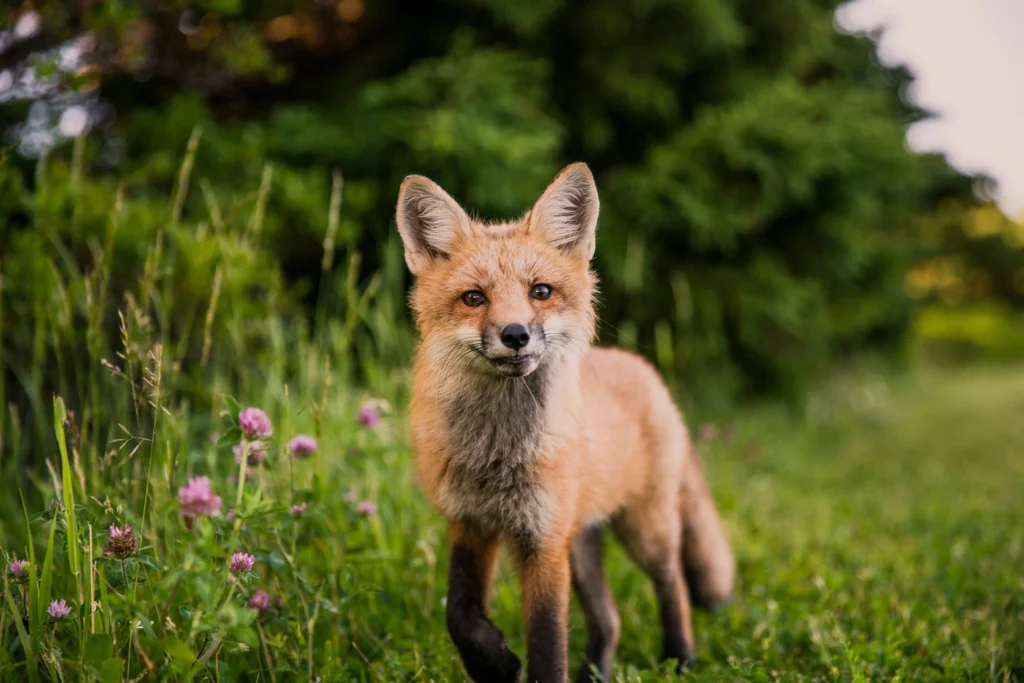
1. Fennec Fox (Vulpes zerda)
The fennec fox is a small nocturnal mammal native to the Sahara Desert and parts of North Africa. It is easily recognized by its disproportionately large ears, which help dissipate heat and detect prey underground. Its fur is sandy-colored, providing camouflage and protection from harsh desert sun. Fennec foxes are omnivorous, feeding on insects, plants, small rodents, and eggs. They live in family groups and are active mainly at night. Despite their desert habitat, they do not require free-standing water to survive.
| Attribute | Detail |
|---|---|
| Size | 24–41 cm / 9–16 in |
| Weight | 0.8–1.5 kg / 1.8–3.3 lbs |
| Lifespan | 10–14 years |
| Habitat | Desert, arid regions |
| Diet | Insects, rodents, plants |
| Social Structure | Family groups |
| Conservation | Least Concern |
Fun Fact: Their ears can grow up to 15 cm — nearly 60% of their body length.
2. Flying Squirrel (Glaucomys spp.)
Flying squirrels don’t actually fly but glide between trees using a membrane called the patagium. These nocturnal rodents live in forests across North America and Asia, nesting in tree hollows. Their large eyes improve night vision, and they use their flattened tail for balance during gliding. Flying squirrels are omnivores, consuming nuts, fruits, insects, and bird eggs. They are elusive and rarely seen due to their nighttime activity.
| Attribute | Detail |
|---|---|
| Size | 20–30 cm / 8–12 in (with tail) |
| Weight | 85–170 g / 3–6 oz |
| Lifespan | 5–6 years |
| Habitat | Forests, woodlands |
| Diet | Fruits, nuts, insects |
| Social Structure | Solitary or small groups |
| Conservation | Least Concern |
Fun Fact: They can glide up to 90 meters (295 feet) in a single leap.
3. Fire Salamander (Salamandra salamandra)
The fire salamander is a striking amphibian found in forests throughout central and southern Europe. Its black body is marked with vivid yellow spots or stripes, warning predators of its toxicity. Fire salamanders are primarily nocturnal and thrive in moist environments near streams or springs. They feed on insects, worms, and slugs. When threatened, they can excrete a neurotoxin from their skin.
| Attribute | Detail |
|---|---|
| Size | 15–25 cm / 6–10 in |
| Weight | 40–70 g / 1.4–2.5 oz |
| Lifespan | Up to 20 years |
| Habitat | Temperate forests, wetlands |
| Diet | Insects, worms, slugs |
| Social Structure | Solitary |
| Conservation | Least Concern |
Fun Fact: Some fire salamanders can live over 50 years in captivity.
4. Frigatebird (Fregata magnificens)
Frigatebirds are large seabirds known for their impressive wingspan and the males’ inflatable red throat pouch. Found in tropical oceans, they are exceptional flyers and can stay aloft for weeks. Unlike other seabirds, they rarely land on water and often steal food mid-air from other birds. Their diet consists of fish and squid, which they snatch from the ocean surface or other birds.
| Attribute | Detail |
|---|---|
| Size | 85–114 cm / 33–45 in |
| Weight | 1–1.8 kg / 2.2–4 lbs |
| Lifespan | 30–40 years |
| Habitat | Coastal, marine environments |
| Diet | Fish, squid |
| Social Structure | Colony nesting |
| Conservation | Least Concern |
Fun Fact: They have the largest wingspan-to-body-weight ratio of any bird.
5. False Killer Whale (Pseudorca crassidens)
Despite its name, the false killer whale is more closely related to dolphins than to orcas. This large marine mammal inhabits tropical and subtropical oceans worldwide. It has a streamlined, dark gray body and is highly social, often seen in pods of 10–60 individuals. False killer whales eat fish and squid, and have even been known to share food among pod members.
| Attribute | Detail |
|---|---|
| Size | 4.9–6 m / 16–20 ft |
| Weight | 1,200–2,200 kg / 2,600–4,900 lbs |
| Lifespan | 50–60 years |
| Habitat | Open ocean, coastal waters |
| Diet | Fish, squid |
| Social Structure | Large pods |
| Conservation | Near Threatened |
Fun Fact: They sometimes form mixed pods with bottlenose dolphins.
6. Fishing Cat (Prionailurus viverrinus)
The fishing cat is a medium-sized wild cat that thrives in wetland habitats across South and Southeast Asia. It has a stocky build, short legs, and a face marked with distinctive white stripes. Its partially webbed feet and powerful build make it an adept swimmer and hunter of aquatic prey. The cat feeds primarily on fish, frogs, and crustaceans but will also take birds and rodents. It’s most active at night and is rarely seen in the wild.
| Attribute | Detail |
|---|---|
| Size | 57–78 cm / 22–31 in |
| Weight | 5–16 kg / 11–35 lbs |
| Lifespan | 10–12 years |
| Habitat | Wetlands, mangroves, swamps |
| Diet | Fish, frogs, rodents |
| Social Structure | Solitary |
| Conservation | Vulnerable |
Fun Fact: Fishing cats use their paws to scoop fish right out of the water like a bear.
7. Florida Panther (Puma concolor coryi)
The Florida panther is a subspecies of the cougar and is native to the swamps and forests of southern Florida. It has a tawny coat and is smaller than its western cousins. Due to habitat loss and hunting, it became critically endangered but has slowly rebounded thanks to conservation efforts. It preys on white-tailed deer, wild hogs, and small mammals. Males have large territories that overlap with those of several females.
| Attribute | Detail |
|---|---|
| Size | 1.8–2.2 m / 6–7.2 ft (with tail) |
| Weight | 45–73 kg / 100–160 lbs |
| Lifespan | 12–15 years |
| Habitat | Forests, swamps |
| Diet | Deer, hogs, small animals |
| Social Structure | Solitary |
| Conservation | Endangered |
Fun Fact: Every surviving Florida panther descends from just a few individuals.
8. Fairy Tern (Gygis alba)
The fairy tern is a small, elegant seabird found on tropical islands in the Pacific and Indian Oceans. It has white plumage, a slender black bill, and blue-ringed eyes. Known for its unusual nesting habit, it lays a single egg on bare tree branches without building a nest. It feeds on small fish and squid caught in mid-air dives. Fairy terns are monogamous and often return to the same breeding site annually.
| Attribute | Detail |
|---|---|
| Size | 30 cm / 12 in |
| Weight | 100–125 g / 3.5–4.4 oz |
| Lifespan | 16–18 years |
| Habitat | Coastal, tropical islands |
| Diet | Fish, squid |
| Social Structure | Breeding pairs |
| Conservation | Least Concern |
Fun Fact: Fairy terns balance their eggs on tree limbs with no nest whatsoever.
9. Flathead Fish (Platycephalidae family)
Flathead fish are bottom-dwelling marine predators found in the Indo-Pacific region. As their name suggests, they have flattened heads and elongated bodies, often camouflaged against sandy sea floors. These ambush predators lie motionless and strike prey such as crustaceans and smaller fish with explosive speed. Flatheads are popular in recreational and commercial fisheries.
| Attribute | Detail |
|---|---|
| Size | 30–80 cm / 12–31 in |
| Weight | Up to 10 kg / 22 lbs |
| Lifespan | 8–10 years |
| Habitat | Coastal, sandy seabeds |
| Diet | Fish, crustaceans |
| Social Structure | Solitary |
| Conservation | Least Concern |
Fun Fact: Flatheads can change color slightly to blend into their environment.
10. Firefly (Lampyridae family)
Fireflies are bioluminescent beetles found in warm and temperate regions worldwide. They are famous for their glowing abdomens, which they use to attract mates or deter predators. Fireflies prefer moist habitats like forests, fields, and marshes. As larvae, they feed on snails and worms, while adults often consume nectar or nothing at all. Their glow is produced through a chemical reaction involving luciferin and is one of the most efficient light-producing systems in nature.
| Attribute | Detail |
|---|---|
| Size | 5–25 mm / 0.2–1 in |
| Weight | <1 g / <0.03 oz |
| Lifespan | 1–2 years (mostly as larvae) |
| Habitat | Meadows, forests, wetlands |
| Diet | Snails (larvae), nectar (adult) |
| Social Structure | Solitary |
| Conservation | Varies by species |
Fun Fact: Firefly light emits no heat — it’s called “cold light.”
11. Ferruginous Hawk (Buteo regalis)
The ferruginous hawk is the largest hawk species in North America, named for its rusty-colored plumage. Found in the open grasslands and deserts of the western U.S. and parts of Canada and Mexico, it has broad wings and a wide gape suited for catching ground-dwelling prey. It feeds on prairie dogs, jackrabbits, and other small mammals. These hawks build massive stick nests on cliffs or trees. Though affected by habitat loss, populations are stable in protected areas.
| Attribute | Detail |
|---|---|
| Size | 56–69 cm / 22–27 in |
| Weight | 1.1–2.5 kg / 2.4–5.5 lbs |
| Lifespan | 12–20 years |
| Habitat | Grasslands, deserts |
| Diet | Rodents, rabbits, birds |
| Social Structure | Solitary or breeding pairs |
| Conservation | Least Concern |
Fun Fact: Its Latin name means “royal buzzard” due to its majestic size.
12. Forest Cobra (Naja melanoleuca)
The forest cobra is one of the largest and most dangerous cobra species in Africa. It resides in tropical rainforests, woodlands, and sometimes near human settlements. It has a glossy black or brown body with pale banding and can reach over 2 meters in length. Forest cobras are diurnal hunters, feeding on rodents, birds, amphibians, and other snakes. Though venomous, they are shy and avoid confrontation when possible.
| Attribute | Detail |
|---|---|
| Size | 1.5–2.7 m / 5–9 ft |
| Weight | 2–4 kg / 4.4–8.8 lbs |
| Lifespan | 15–20 years |
| Habitat | Rainforests, woodlands |
| Diet | Rodents, reptiles, amphibians |
| Social Structure | Solitary |
| Conservation | Least Concern |
Fun Fact: It’s the longest true cobra in Africa.
13. Four-Toed Hedgehog (Atelerix albiventris)
Native to central and eastern Africa, the four-toed hedgehog gets its name from its lack of a hallux (big toe) on its hind feet. It has a rounded body covered in sharp spines and rolls into a ball when threatened. These nocturnal insectivores forage for beetles, worms, and small reptiles. They are common in the pet trade and adapt well to different environments, from savannas to suburban gardens.
| Attribute | Detail |
|---|---|
| Size | 14–21 cm / 5.5–8.3 in |
| Weight | 250–600 g / 0.5–1.3 lbs |
| Lifespan | 3–6 years (up to 10 in captivity) |
| Habitat | Savannas, grasslands, gardens |
| Diet | Insects, small animals |
| Social Structure | Solitary |
| Conservation | Least Concern |
Fun Fact: It’s the most common hedgehog species kept as a pet.
14. Fossa (Cryptoprocta ferox)
The fossa is Madagascar’s top mammalian predator, resembling a mix between a cat, dog, and mongoose. It inhabits dense forests and has semi-retractable claws and flexible ankles for climbing. It preys mainly on lemurs but also eats birds, rodents, and reptiles. Fossas are solitary, elusive, and play a crucial role in maintaining ecological balance on the island.
| Attribute | Detail |
|---|---|
| Size | 70–80 cm / 27–31 in |
| Weight | 5.5–8.6 kg / 12–19 lbs |
| Lifespan | 15–20 years |
| Habitat | Tropical forests (Madagascar) |
| Diet | Lemurs, birds, small mammals |
| Social Structure | Solitary |
| Conservation | Vulnerable |
Fun Fact: Despite looking like a cat, the fossa is more closely related to mongooses.
15. Fork-Tailed Drongo (Dicrurus adsimilis)
The fork-tailed drongo is a clever, all-black bird found in sub-Saharan Africa. Its forked tail and glossy plumage make it easy to identify. Drongos are famous for mimicking the alarm calls of other species to steal food — a rare example of tactical deception in the bird world. They feed on insects, small lizards, and even fruits.
| Attribute | Detail |
|---|---|
| Size | 25–30 cm / 10–12 in |
| Weight | 45–60 g / 1.6–2.1 oz |
| Lifespan | 10–15 years |
| Habitat | Savannahs, open woodlands |
| Diet | Insects, lizards, fruit |
| Social Structure | Solitary or pairs |
| Conservation | Least Concern |
Fun Fact: Drongos trick meerkats with fake warning calls to snatch their food.
16. French Bulldog (Canis lupus familiaris)
French Bulldogs are compact, muscular companion dogs known for their large bat-like ears and snub noses. Originally bred in England and later popularized in France, they’ve become a favorite urban pet due to their calm nature and minimal exercise needs. Despite their tough look, they are affectionate and bond closely with humans. Frenchies struggle with heat and are prone to breathing issues due to their brachycephalic (short-nosed) skull.
| Attribute | Detail |
|---|---|
| Size | 28–33 cm / 11–13 in |
| Weight | 9–14 kg / 20–31 lbs |
| Lifespan | 10–12 years |
| Habitat | Domestic |
| Diet | Commercial dog food, meats |
| Social Structure | Human companion |
| Conservation | Not Applicable (Domesticated) |
Fun Fact: French Bulldogs can’t swim due to their compact body and heavy head.
17. Frilled Lizard (Chlamydosaurus kingii)
Native to northern Australia and southern New Guinea, the frilled lizard is known for the dramatic frill around its neck, which it displays when threatened. It inhabits dry forests and savannas, where it lives in trees but hunts on the ground. The frill is used to intimidate predators and is accompanied by hissing and a bipedal run. It feeds on insects, small mammals, and reptiles.
| Attribute | Detail |
|---|---|
| Size | 70–90 cm / 27–35 in |
| Weight | 500–900 g / 1.1–2 lbs |
| Lifespan | 10–15 years |
| Habitat | Woodlands, savannas |
| Diet | Insects, small vertebrates |
| Social Structure | Solitary |
| Conservation | Least Concern |
Fun Fact: When running away, frilled lizards often sprint upright on their hind legs.
18. Flying Fish (Exocoetidae family)
Flying fish are marine fish capable of gliding above the ocean’s surface using wing-like pectoral fins. Found in warm tropical and subtropical waters, they use gliding to escape predators like tuna or dolphins. Some species can glide over 50 meters. Their diet mainly consists of plankton and small invertebrates. At night, they’re attracted to boat lights and often leap onto decks.
| Attribute | Detail |
|---|---|
| Size | 18–30 cm / 7–12 in |
| Weight | 300–500 g / 0.7–1.1 lbs |
| Lifespan | 5 years |
| Habitat | Open ocean, warm waters |
| Diet | Plankton, crustaceans |
| Social Structure | Schools |
| Conservation | Least Concern |
Fun Fact: Some flying fish can remain airborne for up to 45 seconds.
19. Fairy Armadillo (Chlamyphorus truncatus)
The pink fairy armadillo is the smallest armadillo species and one of the most elusive mammals in the world. Native to Argentina, it has a soft pink shell and is adapted to life underground. Its forelimbs are highly developed for digging, and it spends most of its life burrowed in dry grasslands and sandy plains. It is nocturnal and feeds on ants, larvae, and roots.
| Attribute | Detail |
|---|---|
| Size | 10–15 cm / 4–6 in |
| Weight | 120 g / 4.2 oz |
| Lifespan | 5–10 years (estimated) |
| Habitat | Dry grasslands, sandy soils |
| Diet | Ants, larvae, roots |
| Social Structure | Solitary |
| Conservation | Data Deficient |
Fun Fact: The fairy armadillo can “swim” through loose sand like it’s water.
20. Forest Elephant (Loxodonta cyclotis)
Forest elephants are smaller cousins of the African savanna elephant and inhabit the dense rainforests of Central and West Africa. They have straighter tusks and rounded ears, and their diet includes fruit, bark, and leaves. As major seed dispersers, they play a vital role in rainforest ecology. Heavily impacted by poaching and habitat destruction, their population has declined drastically in recent decades.
| Attribute | Detail |
|---|---|
| Size | 2.4–3 m / 8–10 ft (shoulder height) |
| Weight | 2,000–4,000 kg / 4,400–8,800 lbs |
| Lifespan | 60–70 years |
| Habitat | Rainforests |
| Diet | Fruit, leaves, bark |
| Social Structure | Matriarchal herds |
| Conservation | Critically Endangered |
Fun Fact: Forest elephants help shape the landscape by clearing pathways in dense jungles.
21. Flying Dragon (Draco volans)
The flying dragon is a small lizard native to Southeast Asia, known for its gliding ability using wing-like flaps of skin called patagia. These flaps are extended by elongated ribs and allow the lizard to glide between trees in search of food or to escape predators. It feeds primarily on ants and termites and spends most of its life in tree canopies. Males are highly territorial and display a colorful dewlap during courtship.
| Attribute | Detail |
|---|---|
| Size | 20–25 cm / 8–10 in |
| Weight | 15–30 g / 0.5–1 oz |
| Lifespan | 5–8 years |
| Habitat | Tropical forests (Southeast Asia) |
| Diet | Ants, termites |
| Social Structure | Solitary |
| Conservation | Least Concern |
Fun Fact: Flying dragons can glide over 10 meters between trees without losing altitude.
22. Foxface Rabbitfish (Siganus vulpinus)
The foxface rabbitfish is a striking marine species found in coral reefs of the Indo-Pacific. It has a yellow body with a black-and-white “masked” face resembling a fox. Herbivorous in nature, it feeds on algae and helps control overgrowth in reef systems. Its dorsal spines are venomous and used defensively. Foxface rabbitfish are often kept in aquariums due to their vivid appearance and algae-cleaning behavior.
| Attribute | Detail |
|---|---|
| Size | 20–25 cm / 8–10 in |
| Weight | 200–400 g / 0.4–0.9 lbs |
| Lifespan | 5–7 years (longer in captivity) |
| Habitat | Coral reefs |
| Diet | Algae, seaweed |
| Social Structure | Solitary or pairs |
| Conservation | Least Concern |
Fun Fact: Their venomous spines can cause painful stings to predators and humans alike.
23. Fat-Tailed Gecko (Hemitheconyx caudicinctus)
Native to West Africa, the fat-tailed gecko is a terrestrial lizard popular in the exotic pet trade. It has a plump tail used to store fat, which it relies on during food scarcity. This nocturnal reptile has smooth skin, earth-toned coloration, and lacks the sticky toe pads that enable climbing. It feeds on insects and is known for its docile behavior and ease of handling in captivity.
| Attribute | Detail |
|---|---|
| Size | 18–25 cm / 7–10 in |
| Weight | 45–75 g / 1.5–2.6 oz |
| Lifespan | 10–15 years |
| Habitat | Arid scrublands, savannas |
| Diet | Crickets, mealworms |
| Social Structure | Solitary |
| Conservation | Least Concern |
Fun Fact: When threatened, it drops its tail to escape predators — the tail grows back over time.
24. Fulmar (Fulmarus glacialis)
Fulmars are seabirds found across the North Atlantic and Arctic Oceans. They resemble gulls but are related to albatrosses and petrels. Fulmars spend most of their life at sea and come to land only to breed on cliffs. They feed on fish, squid, and scavenged carrion. One of their defense mechanisms includes vomiting foul-smelling oil at predators or rivals.
| Attribute | Detail |
|---|---|
| Size | 46–50 cm / 18–20 in |
| Weight | 600–1,000 g / 1.3–2.2 lbs |
| Lifespan | 30–40 years |
| Habitat | Open ocean, coastal cliffs |
| Diet | Fish, squid, carrion |
| Social Structure | Breeding colonies |
| Conservation | Least Concern |
Fun Fact: Fulmars can live for over 40 years — making them among the longest-living seabirds.
25. Fiddler Crab (Uca spp.)
Fiddler crabs are small crabs found in sandy and muddy beaches, mangroves, and salt marshes worldwide. Males are instantly recognizable due to one oversized claw, which they wave to attract mates or threaten rivals. The smaller claw is used for feeding. These crabs feed on detritus and algae, filtering food particles from the sand. They live in burrows, which they retreat into during high tide or danger.
| Attribute | Detail |
|---|---|
| Size | 2.5–5 cm / 1–2 in |
| Weight | 10–20 g / 0.3–0.7 oz |
| Lifespan | 2–3 years |
| Habitat | Intertidal zones, mangroves |
| Diet | Algae, detritus |
| Social Structure | Colonies |
| Conservation | Least Concern |
Fun Fact: Male fiddler crabs can regrow a lost large claw — and it sometimes grows back on the opposite side!
26. Flat-Coated Retriever (Canis lupus familiaris)
The flat-coated retriever is a cheerful, energetic gun dog originally bred in the UK for retrieving game from water and land. It’s known for its glossy black or liver-colored coat and perpetual puppy-like enthusiasm. These dogs are highly trainable and social, making them great family pets and therapy animals. They require daily exercise and mental stimulation. Despite their friendly disposition, they’re not ideal guard dogs due to their trusting nature.
| Attribute | Detail |
|---|---|
| Size | 56–61 cm / 22–24 in |
| Weight | 25–36 kg / 55–80 lbs |
| Lifespan | 8–10 years |
| Habitat | Domestic |
| Diet | Commercial dog food, meat |
| Social Structure | Companion animal |
| Conservation | Not Applicable (Domesticated) |
Fun Fact: Flat-coated retrievers are nicknamed the “Peter Pan” of dog breeds due to their youthful energy.
27. Flounder (Paralichthys spp. and others)
Flounders are flatfish found on ocean floors in coastal waters worldwide. They have both eyes on one side of their body and lie flat, camouflaged against sand or mud. Young flounders start with eyes on both sides but undergo a transformation during growth. They feed on crustaceans, worms, and small fish. Several species are commercially important and often harvested for food.
| Attribute | Detail |
|---|---|
| Size | 30–60 cm / 12–24 in |
| Weight | 1–4 kg / 2–9 lbs |
| Lifespan | 5–10 years |
| Habitat | Coastal ocean floors |
| Diet | Crustaceans, fish, worms |
| Social Structure | Solitary |
| Conservation | Varies by species |
Fun Fact: Flounders undergo metamorphosis as juveniles, causing one eye to migrate to the other side of the head.
28. Fruit Bat (Pteropodidae family)
Fruit bats, also called flying foxes, are large bats found across Africa, Asia, and Oceania. They primarily feed on fruit, nectar, and flowers, and play a vital role in pollination and seed dispersal. Unlike insect-eating bats, they use excellent vision and smell rather than echolocation. They roost in large colonies in trees during the day and travel long distances at night to forage.
| Attribute | Detail |
|---|---|
| Size | 13–40 cm / 5–16 in (body) |
| Weight | 250 g–1.5 kg / 0.5–3.3 lbs |
| Lifespan | 10–25 years |
| Habitat | Tropical forests, savannas |
| Diet | Fruits, nectar, flowers |
| Social Structure | Colonies |
| Conservation | Varies by species |
Fun Fact: Some fruit bats have wingspans over 1.5 meters (nearly 5 feet)!
29. Fire-Bellied Toad (Bombina orientalis)
These colorful amphibians are native to Northeast Asia and are popular in the pet trade due to their vibrant appearance. Their green mottled backs contrast with their bright red or orange bellies, which they display when threatened. Fire-bellied toads live in ponds, streams, and rice paddies, where they feed on insects and small invertebrates. They secrete a mild toxin from their skin, so handling is discouraged.
| Attribute | Detail |
|---|---|
| Size | 4–6 cm / 1.5–2.5 in |
| Weight | 20–28 g / 0.7–1 oz |
| Lifespan | 10–15 years |
| Habitat | Wetlands, ponds, streams |
| Diet | Insects, worms |
| Social Structure | Group-living |
| Conservation | Least Concern |
Fun Fact: When threatened, they arch their back and expose their belly in a “unken reflex” defensive posture.
30. Fairy Wrasse (Cirrhilabrus spp.)
Fairy wrasses are brilliantly colored reef fish found in the Indo-Pacific. Males exhibit stunning hues of red, blue, pink, and purple, especially during mating displays. These small, peaceful fish live in coral reefs and are active during the day. They feed on plankton and small invertebrates. In aquariums, they’re admired for their color and peaceful temperament.
| Attribute | Detail |
|---|---|
| Size | 6–12 cm / 2.5–5 in |
| Weight | 20–40 g / 0.7–1.4 oz |
| Lifespan | 5–7 years |
| Habitat | Coral reefs |
| Diet | Plankton, small crustaceans |
| Social Structure | Harems |
| Conservation | Least Concern |
Fun Fact: Fairy wrasses can change sex — most start as females and transition to males in adulthood.
31. Flatworm (Platyhelminthes phylum)
Flatworms are a diverse group of soft-bodied invertebrates found in aquatic and moist terrestrial environments around the world. They include free-living species like planarians and parasitic forms like tapeworms. Free-living flatworms are often brightly colored and glide using cilia, feeding on detritus or small animals. Parasitic species attach to hosts and absorb nutrients. Flatworms lack circulatory and respiratory systems and rely on diffusion for gas exchange.
| Attribute | Detail |
|---|---|
| Size | 1 mm to 50 cm / 0.04–20 in |
| Weight | Varies widely |
| Lifespan | Days to years (species-dependent) |
| Habitat | Aquatic, moist terrestrial |
| Diet | Detritus, small animals, host tissue |
| Social Structure | Solitary |
| Conservation | Not Evaluated (varies) |
Fun Fact: Many flatworms can regenerate completely from just a small body fragment.
32. Fairy Penguin (Eudyptula minor)
Also known as the little penguin or blue penguin, the fairy penguin is the smallest species of penguin in the world. Native to the southern coasts of Australia and New Zealand, they have blue-grey feathers and stand only about 30 cm tall. These birds come ashore at night to avoid predators and nest in burrows or under vegetation. They feed on small fish, squid, and krill.
| Attribute | Detail |
|---|---|
| Size | 30–33 cm / 12–13 in |
| Weight | 1–1.2 kg / 2.2–2.6 lbs |
| Lifespan | 6–10 years (can live longer in captivity) |
| Habitat | Coastal, rocky shores |
| Diet | Fish, squid, krill |
| Social Structure | Colonies |
| Conservation | Least Concern |
Fun Fact: Fairy penguins are excellent swimmers and can dive over 60 meters to catch prey.
33. Forest Tortoise (Manouria emys)
The forest tortoise, or Asian brown tortoise, is one of the largest tortoises in mainland Asia and is found in the tropical forests of Southeast Asia. It has a dark, high-domed shell and strong, scaly limbs for digging. Unlike many tortoises, it prefers moist forest habitats and is active during cooler parts of the day. It feeds on vegetation, fruits, and mushrooms.
| Attribute | Detail |
|---|---|
| Size | 50–60 cm / 20–24 in |
| Weight | 20–37 kg / 44–82 lbs |
| Lifespan | 60–80 years |
| Habitat | Tropical forests |
| Diet | Leaves, fruits, fungi |
| Social Structure | Solitary |
| Conservation | Endangered |
Fun Fact: Forest tortoises are the only tortoises known to nest twice a year.
34. Fire Eel (Mastacembelus erythrotaenia)
Despite its name, the fire eel is not a true eel but a spiny eel with a long, serpentine body. Native to slow-moving freshwater habitats in Southeast Asia, it has a dark body with striking red or orange stripes. Fire eels are nocturnal and prefer burrowing in soft substrate during the day. They feed on worms, insects, and small fish. In captivity, they can become quite tame and recognize their owners.
| Attribute | Detail |
|---|---|
| Size | 50–100 cm / 20–39 in |
| Weight | Up to 2 kg / 4.4 lbs |
| Lifespan | 10–20 years |
| Habitat | Rivers, swamps, floodplains |
| Diet | Worms, insects, fish |
| Social Structure | Solitary |
| Conservation | Not Evaluated |
Fun Fact: Fire eels can grow over 1 meter in length, making them one of the largest spiny eels.
35. Florida Softshell Turtle (Apalone ferox)
This aquatic turtle is native to the southeastern United States and is known for its leathery, pancake-like shell. It has a long neck and snorkel-like nose used for breathing at the water’s surface. The Florida softshell is an aggressive predator, feeding on fish, frogs, and invertebrates. It prefers slow-moving rivers, ponds, and lakes with muddy bottoms. Females are significantly larger than males.
| Attribute | Detail |
|---|---|
| Size | 35–60 cm / 14–24 in (females) |
| Weight | 6–20 kg / 13–44 lbs |
| Lifespan | 20–30 years |
| Habitat | Freshwater rivers, lakes |
| Diet | Fish, frogs, insects |
| Social Structure | Solitary |
| Conservation | Least Concern |
Fun Fact: They can stay submerged for hours by absorbing oxygen through their skin and throat lining.
36. Fork-Marked Lemur (Phaner furcifer)
Endemic to Madagascar, the fork-marked lemur is a small, nocturnal primate known for the forked black stripe running from its head down its back. It lives in dry deciduous forests and feeds primarily on tree gum, which it accesses using specially adapted teeth. These lemurs are solitary foragers and vocal communicators, emitting loud calls during the night. Like many Malagasy species, they are threatened by habitat loss.
| Attribute | Detail |
|---|---|
| Size | 22–27 cm / 9–11 in (body) |
| Weight | 300–500 g / 0.7–1.1 lbs |
| Lifespan | Up to 15 years |
| Habitat | Dry forests (Madagascar) |
| Diet | Tree gum, insects |
| Social Structure | Solitary or monogamous pairs |
| Conservation | Endangered |
Fun Fact: Fork-marked lemurs use their elongated tongue to extract gum from tree bark.
37. Fringe-Toed Lizard (Uma spp.)
Fringe-toed lizards are sand-dwelling reptiles found in the deserts of the southwestern U.S. and northern Mexico. Named for the scales along the sides of their toes, which help them run across loose sand, these lizards are adapted to extreme desert conditions. They bury themselves to avoid predators and regulate body temperature. Their diet includes insects and seeds.
| Attribute | Detail |
|---|---|
| Size | 10–15 cm / 4–6 in |
| Weight | 15–30 g / 0.5–1 oz |
| Lifespan | 4–6 years |
| Habitat | Sandy deserts |
| Diet | Insects, seeds |
| Social Structure | Solitary |
| Conservation | Varies by species |
Fun Fact: These lizards can “swim” through sand to escape predators.
38. Flap-Necked Chameleon (Chamaeleo dilepis)
Found across sub-Saharan Africa, the flap-necked chameleon is a medium-sized species named for the flaps of skin at the sides of its neck. It’s an excellent climber and changes color to regulate temperature or express mood. Its projectile tongue can shoot out to capture prey with incredible speed and precision. It feeds on insects and occasionally small vertebrates.
| Attribute | Detail |
|---|---|
| Size | 25–35 cm / 10–14 in |
| Weight | 100–200 g / 3.5–7 oz |
| Lifespan | 3–5 years (longer in captivity) |
| Habitat | Forest edges, savannas |
| Diet | Insects, small lizards |
| Social Structure | Solitary |
| Conservation | Least Concern |
Fun Fact: Their tongue can extend 1.5 times their body length to snatch prey.
39. Flame Skimmer (Libellula saturata)
The flame skimmer is a vibrant orange dragonfly native to the western United States. Males are entirely flame-red, including their wings, while females are duller in color. These dragonflies inhabit ponds, streams, and warm springs. They are strong fliers and highly territorial. As both larvae and adults, they feed on aquatic insects and mosquitoes, playing a role in natural pest control.
| Attribute | Detail |
|---|---|
| Size | 7–9 cm / 2.7–3.5 in |
| Weight | 0.5–1 g / 0.02–0.04 oz |
| Lifespan | Up to 6 months (adult phase) |
| Habitat | Freshwater bodies |
| Diet | Mosquitoes, flies, larvae |
| Social Structure | Solitary |
| Conservation | Not Evaluated |
Fun Fact: Male flame skimmers aggressively guard small territories near water.
40. Flying Gurnard (Dactylopterus volitans)
This bottom-dwelling marine fish inhabits the shallow waters of the Atlantic and Caribbean. It has large, wing-like pectoral fins that fan out like butterfly wings when alarmed. Although it looks like it can fly, it does not glide — the fins are used for display and intimidation. Flying gurnards feed on small crustaceans and fish, digging them up with hardened rays of their fins.
| Attribute | Detail |
|---|---|
| Size | 30–50 cm / 12–20 in |
| Weight | 1–2 kg / 2.2–4.4 lbs |
| Lifespan | 5–8 years |
| Habitat | Sandy seabeds, shallow oceans |
| Diet | Crustaceans, small fish |
| Social Structure | Solitary |
| Conservation | Least Concern |
Fun Fact: They can make grunting or growling sounds by vibrating muscles against their swim bladder.
41. Feather Star (Crinoidea class)
Feather stars are marine invertebrates related to sea stars and sea urchins. With feathery arms radiating from a central disk, they resemble underwater flowers. Found in oceans worldwide — especially in coral reefs and deep sea environments — feather stars use their arms to filter plankton from the water. Most are sessile as juveniles but can crawl or swim short distances as adults.
| Attribute | Detail |
|---|---|
| Size | 10–30 cm / 4–12 in (arm span) |
| Weight | 100–300 g / 3.5–10.5 oz |
| Lifespan | Up to 15 years |
| Habitat | Coral reefs, deep sea |
| Diet | Plankton |
| Social Structure | Solitary |
| Conservation | Not Evaluated |
Fun Fact: Feather stars can regenerate lost arms — sometimes growing more than they had before.
42. Forest Kingfisher (Todiramphus macleayii)
Native to northern and eastern Australia and nearby islands, the forest kingfisher is a striking bird with electric blue wings, a white underside, and a sharp black beak. It hunts insects and small vertebrates from perches in open woodlands and rainforests. Forest kingfishers are cavity nesters, often using old termite mounds or tree hollows.
| Attribute | Detail |
|---|---|
| Size | 20–23 cm / 8–9 in |
| Weight | 30–40 g / 1–1.4 oz |
| Lifespan | 6–10 years |
| Habitat | Forests, savannas, woodlands |
| Diet | Insects, small lizards |
| Social Structure | Monogamous pairs |
| Conservation | Least Concern |
Fun Fact: Unlike many kingfishers, this species rarely eats fish.
43. Flame Tetra (Hyphessobrycon flammeus)
The flame tetra is a small, colorful freshwater fish native to southeastern Brazil. Its shimmering red and orange hues have made it a popular aquarium species. Flame tetras are peaceful, schooling fish that thrive in planted tanks. In the wild, they inhabit slow-moving streams and rivers, feeding on tiny invertebrates and plant matter.
| Attribute | Detail |
|---|---|
| Size | 2.5–4 cm / 1–1.5 in |
| Weight | <5 g / <0.2 oz |
| Lifespan | 3–5 years |
| Habitat | Streams, aquariums |
| Diet | Insects, plant material |
| Social Structure | Shoals |
| Conservation | Near Threatened (wild) |
Fun Fact: The species is nearly extinct in the wild but thrives in aquariums worldwide.
44. Fruit Dove (Ptilinopus spp.)
Fruit doves are a group of vividly colored doves found throughout Southeast Asia and the Pacific Islands. They are medium-sized, often showcasing green bodies with bursts of yellow, pink, or purple. These frugivorous birds inhabit forests and play a major role in seed dispersal. They are shy and more often heard than seen.
| Attribute | Detail |
|---|---|
| Size | 19–25 cm / 7.5–10 in |
| Weight | 100–180 g / 3.5–6.3 oz |
| Lifespan | 10–15 years |
| Habitat | Rainforests, islands |
| Diet | Fruit, berries |
| Social Structure | Solitary or pairs |
| Conservation | Varies by species |
Fun Fact: Their bright colors help them blend in among tropical fruit and foliage.
45. Florida Gar (Lepisosteus platyrhincus)
The Florida gar is a freshwater fish with a long, torpedo-shaped body and sharp-toothed, alligator-like snout. It lives in slow-moving rivers, canals, and lakes in Florida and Georgia. This ambush predator feeds on fish, frogs, and crustaceans. Its armored scales provide protection against predators. It can breathe air and survive in oxygen-poor water for extended periods.
| Attribute | Detail |
|---|---|
| Size | 51–91 cm / 20–36 in |
| Weight | 1–4 kg / 2.2–8.8 lbs |
| Lifespan | 18–20 years |
| Habitat | Freshwater swamps, rivers |
| Diet | Fish, frogs, crustaceans |
| Social Structure | Solitary |
| Conservation | Least Concern |
Fun Fact: Florida gars have a primitive air bladder that lets them gulp air like a lung.
46. Firemouth Cichlid (Thorichthys meeki)
Native to Central America, the firemouth cichlid is a vibrant freshwater fish named for the red-orange coloration around its throat and belly. Found in rivers and lagoons, it’s popular in aquariums due to its bright color and dynamic behavior. During breeding, males flare their gills and “puff out” their throats to defend territory. Though generally peaceful, they become aggressive while nesting.
| Attribute | Detail |
|---|---|
| Size | 12–15 cm / 5–6 in |
| Weight | 100–150 g / 3.5–5.3 oz |
| Lifespan | 8–10 years |
| Habitat | Rivers, lagoons, aquariums |
| Diet | Insects, crustaceans, plants |
| Social Structure | Pairs or small groups |
| Conservation | Least Concern |
Fun Fact: Males “lock jaws” in dramatic territorial battles during mating season.
47. Freshwater Angelfish (Pterophyllum scalare)
Angelfish are graceful freshwater cichlids native to the Amazon Basin. With tall, triangular fins and disc-shaped bodies, they are popular in aquariums around the world. In the wild, they inhabit slow-moving rivers and feed on invertebrates and small fish. Angelfish are known for forming strong pair bonds and guarding their eggs and fry aggressively.
| Attribute | Detail |
|---|---|
| Size | 15 cm / 6 in (body) |
| Weight | 100–150 g / 3.5–5.3 oz |
| Lifespan | 8–12 years |
| Habitat | Amazon rivers, aquariums |
| Diet | Insects, small fish, plant matter |
| Social Structure | Pairs or schools |
| Conservation | Not Evaluated |
Fun Fact: Each angelfish can recognize its mate visually among dozens of tank mates.
48. Forest Raven (Corvus tasmanicus)
The forest raven is the largest corvid in Australia, primarily found in Tasmania and parts of southern mainland Australia. It has glossy black plumage, a deep croak, and is highly intelligent. These birds are opportunistic omnivores, feeding on insects, carrion, fruits, and even garbage. Forest ravens are monogamous and often nest in tall trees.
| Attribute | Detail |
|---|---|
| Size | 50–55 cm / 20–22 in |
| Weight | 650–750 g / 1.4–1.6 lbs |
| Lifespan | Up to 20 years |
| Habitat | Forests, coasts, farmlands |
| Diet | Carrion, insects, fruits |
| Social Structure | Mated pairs or small groups |
| Conservation | Least Concern |
Fun Fact: Forest ravens can mimic other birds and even human speech.
49. Fairy Shrimp (Branchinecta spp.)
Fairy shrimp are tiny, translucent crustaceans found in seasonal freshwater pools. They swim belly-up and use their many legs to filter algae, bacteria, and protozoa from the water. These ancient creatures hatch from drought-resistant eggs when rains fill their pools. With a short lifespan, they must grow, reproduce, and die within a few weeks before the pools dry.
| Attribute | Detail |
|---|---|
| Size | 1–3 cm / 0.4–1.2 in |
| Weight | <1 g / <0.03 oz |
| Lifespan | 2–4 weeks |
| Habitat | Vernal pools, temporary ponds |
| Diet | Algae, plankton |
| Social Structure | Swarms |
| Conservation | Some species endangered |
Fun Fact: Fairy shrimp eggs can survive for decades in dry sediment before hatching.
50. Fluffy-Backed Tit-Babbler (Macronus ptilosus)
This charming little bird is native to the tropical forests of Southeast Asia. It has a soft, fluffy appearance with brownish plumage and a bright yellow throat. The tit-babbler forages in pairs or small groups, flitting through dense underbrush in search of insects. Though elusive, its cheerful chattering call can often be heard echoing through the forest.
| Attribute | Detail |
|---|---|
| Size | 13–15 cm / 5–6 in |
| Weight | 10–15 g / 0.4–0.5 oz |
| Lifespan | Estimated 4–6 years |
| Habitat | Lowland rainforests |
| Diet | Insects, spiders |
| Social Structure | Pairs or small flocks |
| Conservation | Near Threatened |
Fun Fact: Despite its cute name, it’s very shy and difficult to photograph in the wild.
51. Falcated Duck (Mareca falcata)
The falcated duck is a rare and beautiful dabbling duck found in East Asia. Males are known for their iridescent green head, long curved tertial feathers (“falcated”), and chestnut chest. They migrate seasonally between breeding grounds in eastern Russia and wintering habitats in China and Japan. These ducks prefer shallow wetlands and feed on aquatic vegetation, insects, and seeds.
| Attribute | Detail |
|---|---|
| Size | 46–53 cm / 18–21 in |
| Weight | 800–1,100 g / 1.8–2.4 lbs |
| Lifespan | 5–10 years |
| Habitat | Wetlands, lakes, marshes |
| Diet | Aquatic plants, insects, seeds |
| Social Structure | Migratory flocks |
| Conservation | Near Threatened |
Fun Fact: The male’s long falcated feathers curve elegantly over its back like scimitars.
52. Frilled Shark (Chlamydoselachus anguineus)
Often called a “living fossil,” the frilled shark is a deep-sea predator that dates back 80 million years. It has a long, eel-like body and six pairs of gill slits with frilly edges. Found at depths of 500–1,500 meters, it preys on squid, fish, and other sharks. Its flexible jaws and needle-like teeth allow it to swallow prey half its size.
| Attribute | Detail |
|---|---|
| Size | 1.5–2 m / 5–6.5 ft |
| Weight | 20–60 kg / 44–132 lbs |
| Lifespan | Estimated 25–30 years |
| Habitat | Deep ocean, continental slopes |
| Diet | Squid, fish, smaller sharks |
| Social Structure | Solitary |
| Conservation | Near Threatened |
Fun Fact: It strikes at prey like a snake, coiling and lunging in one swift motion.
53. Fire Ant (Solenopsis invicta)
Fire ants are aggressive, reddish-brown ants originally native to South America but now invasive in parts of the U.S. and other regions. They build large mounds in open areas and fiercely defend their colonies with painful, venomous stings. Fire ants feed on insects, plants, and sugary substances. Their presence can damage crops, disrupt ecosystems, and pose risks to humans and animals.
| Attribute | Detail |
|---|---|
| Size | 2–6 mm / 0.08–0.24 in |
| Weight | <1 g / <0.03 oz (per ant) |
| Lifespan | Workers: weeks; Queens: years |
| Habitat | Grasslands, urban areas |
| Diet | Insects, plants, sugary fluids |
| Social Structure | Colonies |
| Conservation | Invasive |
Fun Fact: Fire ants can form living rafts to survive floods, using their bodies to float.
54. Forest Gecko (Mokopirirakau spp.)
Native to New Zealand, forest geckos are nocturnal lizards known for their camouflage and vibrant patterns. They dwell in forests, hiding under bark and foliage during the day. Their diet consists mainly of insects and fruit. These geckos are threatened by habitat loss and introduced predators such as rats and cats. They are protected by conservation laws.
| Attribute | Detail |
|---|---|
| Size | 7–11 cm / 2.7–4.3 in |
| Weight | 10–25 g / 0.3–0.9 oz |
| Lifespan | 10–15 years |
| Habitat | Native forests (New Zealand) |
| Diet | Insects, fruit, nectar |
| Social Structure | Solitary |
| Conservation | At Risk |
Fun Fact: Forest geckos can drop their tail when threatened — it twitches to distract predators.
55. Freshwater Jellyfish (Craspedacusta sowerbii)
Though most jellyfish are marine, this species thrives in freshwater lakes and ponds across the world. It’s translucent, bell-shaped, and measures just a few centimeters wide. Native to China but now globally distributed, it appears seasonally in warm, calm water. Despite its stinging tentacles, it poses no threat to humans. It feeds on tiny zooplankton.
| Attribute | Detail |
|---|---|
| Size | 5–25 mm / 0.2–1 in (bell width) |
| Weight | <1 g / <0.03 oz |
| Lifespan | A few weeks (medusa stage) |
| Habitat | Freshwater ponds, lakes |
| Diet | Zooplankton |
| Social Structure | Colonies |
| Conservation | Not Evaluated |
Fun Fact: These jellyfish are biologically immortal in the polyp stage, reproducing asexually.
56. False Coral Snake (Oxyrhopus petolarius)
The false coral snake mimics the bright red, black, and white bands of the venomous coral snake, but it is non-venomous and harmless to humans. Native to Central and South America, it uses mimicry to deter predators. This snake is nocturnal and feeds on small reptiles, amphibians, and rodents. It’s mildly rear-fanged but rarely bites.
| Attribute | Detail |
|---|---|
| Size | 70–100 cm / 28–39 in |
| Weight | 150–250 g / 5.3–8.8 oz |
| Lifespan | 8–12 years |
| Habitat | Rainforests, savannas |
| Diet | Lizards, frogs, rodents |
| Social Structure | Solitary |
| Conservation | Least Concern |
Fun Fact: Its coloration is a case of Batesian mimicry — faking danger to avoid it.
57. Forest Catfish (Notoglanidium macrostoma)
This rare freshwater catfish is found in West African rainforest rivers and streams. It has a broad, flattened head, long barbels, and a spotted body. Little is known about its behavior, but like other catfish, it likely feeds on aquatic insects and organic debris. Its flattened shape helps it stay close to the riverbed.
| Attribute | Detail |
|---|---|
| Size | 12–18 cm / 5–7 in |
| Weight | 100–200 g / 3.5–7 oz |
| Lifespan | Estimated 5–7 years |
| Habitat | Forest streams (West Africa) |
| Diet | Aquatic insects, detritus |
| Social Structure | Solitary |
| Conservation | Data Deficient |
Fun Fact: It thrives in shaded rainforest streams where light barely penetrates the canopy.
58. Flycatcher (Muscicapidae and Tyrannidae families)
Flycatchers are agile insect-eating birds found on every continent except Antarctica. They perch patiently and dart out to snatch insects mid-air. These birds are known for their quick reflexes and territorial songs. Some species are migratory, traveling long distances between breeding and wintering grounds.
| Attribute | Detail |
|---|---|
| Size | 11–20 cm / 4.3–8 in |
| Weight | 10–30 g / 0.3–1 oz |
| Lifespan | 3–7 years |
| Habitat | Forests, grasslands, gardens |
| Diet | Flying insects |
| Social Structure | Pairs or solitary |
| Conservation | Varies by species |
Fun Fact: Some flycatchers can change direction mid-air to catch zig-zagging prey.
59. Feather-Tail Glider (Acrobates pygmaeus)
The feather-tail glider is the world’s smallest gliding mammal, found in eastern Australia. It has a membrane between its limbs for gliding and a feather-like tail that aids in steering. Nocturnal and arboreal, it feeds on nectar, pollen, and insects. It nests in tree hollows and can enter torpor during cold weather.
| Attribute | Detail |
|---|---|
| Size | 6.5–8 cm / 2.5–3 in (body) |
| Weight | 10–15 g / 0.3–0.5 oz |
| Lifespan | 4–6 years |
| Habitat | Forests, woodlands |
| Diet | Nectar, insects, pollen |
| Social Structure | Small colonies |
| Conservation | Least Concern |
Fun Fact: Despite its size, it can glide over 20 meters between trees.
60. Fin Whale (Balaenoptera physalus)
The fin whale is the second-largest animal on Earth, surpassed only by the blue whale. It has a sleek, streamlined body with a prominent dorsal fin and can be found in oceans worldwide. Fin whales are filter feeders, consuming krill, small fish, and plankton. Known as the “greyhound of the sea,” they are fast swimmers despite their size.
| Attribute | Detail |
|---|---|
| Size | 18–22 m / 59–72 ft |
| Weight | 40–80 tons |
| Lifespan | 70–90 years |
| Habitat | All major oceans |
| Diet | Krill, plankton, small fish |
| Social Structure | Pairs or small pods |
| Conservation | Vulnerable |
Fun Fact: Their blowholes release a spray up to 6 meters (20 feet) high!
61. Forest Cobra (Naja melanoleuca)
One of the longest true cobras in Africa, the forest cobra inhabits tropical rainforests and wooded savannas. It is highly venomous and known for its large size, agility, and climbing ability. The forest cobra has a glossy black, brown, or banded body with a pale belly. Despite its dangerous venom, it typically avoids human contact.
| Attribute | Detail |
|---|---|
| Size | 1.5–2.7 m / 5–9 ft |
| Weight | 2–4 kg / 4.4–8.8 lbs |
| Lifespan | Up to 20 years |
| Habitat | Rainforests, woodlands |
| Diet | Rodents, reptiles, amphibians |
| Social Structure | Solitary |
| Conservation | Least Concern |
Fun Fact: Forest cobras can climb trees to hunt birds and eggs.
62. Flying Lemur (Cynocephalus volans)
Also called colugos, flying lemurs are gliding mammals native to Southeast Asia. Despite the name, they aren’t true lemurs and cannot fly. Their large gliding membrane (patagium) stretches from neck to tail and even between fingers and toes, allowing them to glide over 100 meters. They are nocturnal, herbivorous, and solitary.
| Attribute | Detail |
|---|---|
| Size | 33–42 cm / 13–17 in (body) |
| Weight | 1–2 kg / 2.2–4.4 lbs |
| Lifespan | Up to 15 years |
| Habitat | Tropical forests |
| Diet | Leaves, flowers, fruit |
| Social Structure | Solitary |
| Conservation | Least Concern |
Fun Fact: They have the largest gliding membrane of any mammal, spanning up to 70 cm.
63. Fanged Deer (Hydropotes inermis)
Also known as the water deer, this unique ungulate is found in China and Korea. Instead of antlers, males have prominent tusk-like canine teeth. It prefers marshy grasslands and riverbanks. Fanged deer are solitary and secretive, feeding on grass, reeds, and aquatic plants. Though not aggressive, males will use their fangs in territorial disputes.
| Attribute | Detail |
|---|---|
| Size | 75–100 cm / 30–39 in |
| Weight | 9–14 kg / 20–31 lbs |
| Lifespan | 10–12 years |
| Habitat | Wetlands, grasslands |
| Diet | Grass, aquatic plants |
| Social Structure | Solitary |
| Conservation | Vulnerable |
Fun Fact: Its fang-like teeth earned it the nickname “vampire deer.”
64. Fire-Bellied Newt (Cynops orientalis)
Native to China, the fire-bellied newt is a small amphibian with a black upper body and vibrant red-orange belly, signaling its mild toxicity. It lives in cool, shallow ponds and streams, feeding on worms, insects, and small crustaceans. It is popular in the pet trade due to its striking coloration and hardy nature.
| Attribute | Detail |
|---|---|
| Size | 6–10 cm / 2.5–4 in |
| Weight | 10–20 g / 0.4–0.7 oz |
| Lifespan | 10–15 years |
| Habitat | Ponds, marshes, woodlands |
| Diet | Insects, worms, aquatic larvae |
| Social Structure | Solitary |
| Conservation | Least Concern |
Fun Fact: When threatened, it arches its back to flash its bright belly as a warning.
65. False Water Cobra (Hydrodynastes gigas)
Found in South America, the false water cobra mimics a cobra’s hooding behavior but isn’t a true cobra. It is mildly venomous and rear-fanged, posing little threat to humans. This snake is semi-aquatic and inhabits wetlands, riversides, and forests. It feeds on amphibians, fish, and small mammals.
| Attribute | Detail |
|---|---|
| Size | 1.5–2.5 m / 5–8.2 ft |
| Weight | 1.5–2.5 kg / 3.3–5.5 lbs |
| Lifespan | 12–20 years |
| Habitat | Swamps, marshes, forests |
| Diet | Frogs, rodents, fish |
| Social Structure | Solitary |
| Conservation | Least Concern |
Fun Fact: Unlike true cobras, it flattens its neck without raising its body off the ground.
66. Florida Worm Lizard (Rhineura floridana)
This elusive, legless reptile is native to Florida and is rarely seen due to its underground lifestyle. Despite being called a “worm,” it is actually a species of amphisbaenian — a type of burrowing lizard. It has a pink, segmented body and no visible eyes or ears. The worm lizard feeds on ants, termites, and insect larvae, using its powerful skull to push through soil.
| Attribute | Detail |
|---|---|
| Size | 15–30 cm / 6–12 in |
| Weight | 15–30 g / 0.5–1 oz |
| Lifespan | Estimated 3–5 years |
| Habitat | Sandy soils, pine forests |
| Diet | Insect larvae, ants, termites |
| Social Structure | Solitary |
| Conservation | Least Concern |
Fun Fact: It’s the only species of amphisbaenian native to the United States.
67. Forest Owlet (Heteroglaux blewitti)
The forest owlet is a critically endangered bird endemic to central India. For decades, it was believed extinct until it was rediscovered in 1997. It inhabits dry deciduous forests and is active during the day — rare for owls. The forest owlet is stocky with a large head and heavily barred plumage. It preys on lizards, insects, and small mammals.
| Attribute | Detail |
|---|---|
| Size | 20–25 cm / 8–10 in |
| Weight | 200–250 g / 7–9 oz |
| Lifespan | Unknown (likely 8–12 years) |
| Habitat | Dry deciduous forests (India) |
| Diet | Insects, lizards, rodents |
| Social Structure | Solitary or pairs |
| Conservation | Critically Endangered |
Fun Fact: It remained unseen for over 100 years before its rediscovery.
68. Fringed Myotis (Myotis thysanodes)
This bat species is found in western North America and is named for the fringe of stiff hairs on the edge of its tail membrane. It roosts in caves, old buildings, and tree snags and emerges at night to feed on beetles, moths, and other flying insects. Like other myotis bats, it uses echolocation for navigation and hunting.
| Attribute | Detail |
|---|---|
| Size | 8–10 cm / 3–4 in (body) |
| Weight | 8–12 g / 0.3–0.4 oz |
| Lifespan | Up to 15 years |
| Habitat | Caves, forests, rocky canyons |
| Diet | Insects |
| Social Structure | Colonies |
| Conservation | Least Concern |
Fun Fact: The fringe on its tail membrane may help it trap insects mid-flight.
69. Fijian Banded Iguana (Brachylophus fasciatus)
Native to Fiji’s tropical islands, this iguana is known for its vivid green body with blue or white bands (in males). It is arboreal and diurnal, feeding on leaves, flowers, and fruits. Females are solid green. These reptiles are strong swimmers and often leap between branches. Habitat loss and the pet trade threaten their survival.
| Attribute | Detail |
|---|---|
| Size | 60–75 cm / 24–30 in (with tail) |
| Weight | 200–300 g / 7–10 oz |
| Lifespan | 10–15 years |
| Habitat | Tropical forests (Fiji) |
| Diet | Leaves, flowers, fruit |
| Social Structure | Solitary |
| Conservation | Endangered |
Fun Fact: They can rotate their eyes independently like chameleons.
70. Flamingo Tongue Snail (Cyphoma gibbosum)
This small marine snail lives on coral reefs in the Caribbean. Its vivid orange-and-black pattern isn’t on its shell but on a soft mantle that wraps around it. When threatened, it retracts the mantle to expose a plain white shell. Flamingo tongue snails feed on soft coral and store the coral’s toxins in their tissue for defense.
| Attribute | Detail |
|---|---|
| Size | 2–5 cm / 0.8–2 in |
| Weight | 10–20 g / 0.4–0.7 oz |
| Lifespan | Up to 2 years |
| Habitat | Coral reefs |
| Diet | Soft coral polyps |
| Social Structure | Solitary |
| Conservation | Least Concern |
Fun Fact: Its striking appearance is actually part of its soft body, not its shell.
71. Flavescent Bulbul (Pycnonotus flavescens)
This cheerful songbird is native to the forests and hills of Southeast Asia, especially in China, Thailand, and Vietnam. Its name “flavescent” means yellowish, referring to its olive-yellow plumage. The flavescent bulbul is often found in pairs or small flocks, foraging in the tree canopy for fruits, berries, and insects. It’s vocal and commonly heard in dense forests.
| Attribute | Detail |
|---|---|
| Size | 18–20 cm / 7–8 in |
| Weight | 30–40 g / 1–1.4 oz |
| Lifespan | 6–10 years |
| Habitat | Subtropical forests, hills |
| Diet | Fruits, berries, insects |
| Social Structure | Flocks or pairs |
| Conservation | Least Concern |
Fun Fact: Its bubbly calls are often one of the loudest bird songs in Asian forests.
72. False Killer Beetle (Cantharidae family)
Though its name suggests otherwise, this beetle is harmless to humans and is called “false killer” due to its resemblance to more dangerous beetles. These beetles are common in meadows, forests, and gardens, where they prey on aphids and other pests. They have soft, elongated bodies and are beneficial for natural pest control.
| Attribute | Detail |
|---|---|
| Size | 1–2 cm / 0.4–0.8 in |
| Weight | <1 g / <0.03 oz |
| Lifespan | A few weeks to months |
| Habitat | Meadows, woodlands, gardens |
| Diet | Insects (aphids, larvae) |
| Social Structure | Solitary |
| Conservation | Not Evaluated |
Fun Fact: Their larvae are active hunters underground, feeding on grubs and worms.
73. Flathead Catfish (Pylodictis olivaris)
The flathead catfish is a large freshwater predator native to central North America. It has a broad, flat head, mottled skin, and a powerful tail. Unlike most catfish, it prefers live prey and ambushes fish, crayfish, and frogs. It lives in deep river holes and slow-moving waters. Highly valued by anglers, it’s also an invasive species in some regions.
| Attribute | Detail |
|---|---|
| Size | 60–165 cm / 24–65 in |
| Weight | Up to 56 kg / 123 lbs |
| Lifespan | 20–30 years |
| Habitat | Rivers, reservoirs |
| Diet | Live fish, crayfish, frogs |
| Social Structure | Solitary |
| Conservation | Least Concern |
Fun Fact: The largest recorded flathead catfish weighed over 56 kg (123 lbs).
74. Forest Shrew (Myosorex spp.)
Forest shrews are tiny insectivorous mammals found in the forested regions of sub-Saharan Africa. They have pointed snouts, dense fur, and an insatiable appetite. With high metabolisms, they must eat constantly — often consuming their own body weight in insects each day. These creatures are secretive, active mostly at night, and use scent trails to navigate.
| Attribute | Detail |
|---|---|
| Size | 6–10 cm / 2.4–4 in |
| Weight | 8–15 g / 0.3–0.5 oz |
| Lifespan | 1–2 years |
| Habitat | Forest floors, underbrush |
| Diet | Insects, worms, spiders |
| Social Structure | Solitary |
| Conservation | Varies by species |
Fun Fact: Forest shrews rely on constant food intake to survive — even brief fasting can be fatal.
75. Fringe-Eyed Flathead (Cymbacephalus beauforti)
This benthic (bottom-dwelling) fish is found in the coral reefs and sandy bottoms of the Indo-Pacific. Its name comes from the fringe-like projections above its eyes, used for camouflage. It is an ambush predator that buries itself in sand, waiting to strike passing fish or crustaceans. Its flat head and wide mouth allow it to gulp prey whole.
| Attribute | Detail |
|---|---|
| Size | 40–60 cm / 16–24 in |
| Weight | Up to 3 kg / 6.6 lbs |
| Lifespan | 5–8 years |
| Habitat | Coral reefs, sandy seafloor |
| Diet | Fish, shrimp, crabs |
| Social Structure | Solitary |
| Conservation | Not Evaluated |
Fun Fact: It can change its skin tone slightly to match the sea floor for better ambush.
76. Forest Green Butterfly (Eurytela dryope)
Also known as the golden piper or African leaf butterfly, this species thrives in African forests and woodland edges. It displays iridescent green wings with black edges and eyespots to deter predators. Its caterpillars feed on plants from the Acanthaceae family, while adults sip nectar from flowers.
| Attribute | Detail |
|---|---|
| Size | 5–6 cm / 2–2.4 in (wingspan) |
| Weight | <1 g / <0.03 oz |
| Lifespan | 2–3 weeks (adult stage) |
| Habitat | Tropical and subtropical forests |
| Diet | Nectar (adult), leaves (larvae) |
| Social Structure | Solitary |
| Conservation | Least Concern |
Fun Fact: When at rest, it folds its wings to look exactly like a dead leaf for camouflage.
77. Fawn (Various deer species juveniles)
“Fawn” refers to the young of deer species such as white-tailed deer, mule deer, and fallow deer. Fawns are born with white spots to help them blend into their surroundings. They’re usually hidden in tall grass for the first few weeks while the mother forages. Within hours of birth, fawns can stand and walk, and by one month they begin eating solid food.
| Attribute | Detail |
|---|---|
| Size | 50–80 cm / 20–31 in (at birth) |
| Weight | 2–5 kg / 4.4–11 lbs (at birth) |
| Lifespan | Same as species (10–20 years) |
| Habitat | Forests, grasslands, meadows |
| Diet | Milk (young), later plants |
| Social Structure | With mother |
| Conservation | Depends on species |
Fun Fact: A fawn’s scent glands are undeveloped at birth — making them virtually odorless to predators.
78. False Map Turtle (Graptemys pseudogeographica)
Found in rivers and lakes of the central U.S., this turtle gets its name from map-like markings on its shell and the fact that it resembles the common map turtle. It prefers habitats with slow currents and basking logs. False map turtles are shy, often diving into water at the slightest disturbance. They feed on insects, small fish, and vegetation.
| Attribute | Detail |
|---|---|
| Size | 10–27 cm / 4–10.5 in |
| Weight | 500–2,000 g / 1.1–4.4 lbs |
| Lifespan | 20–30 years |
| Habitat | Rivers, lakes, reservoirs |
| Diet | Aquatic insects, plants, snails |
| Social Structure | Solitary |
| Conservation | Least Concern |
Fun Fact: Only females grow large enough to crush snails — males stay smaller their whole lives.
79. Fire Coral (Millepora spp.)
Despite the name, fire coral is not a true coral but a hydrozoan. It looks like coral and lives on reefs worldwide, especially in tropical oceans. Its sting delivers painful burning sensations to divers. Fire coral plays a crucial role in reef ecosystems by forming calcium carbonate structures that support marine biodiversity.
| Attribute | Detail |
|---|---|
| Size | Colonies up to 1 m / 3.3 ft |
| Weight | Varies (reef-building) |
| Lifespan | Decades |
| Habitat | Coral reefs |
| Diet | Zooplankton |
| Social Structure | Colonial |
| Conservation | Least Concern |
Fun Fact: It’s more closely related to jellyfish than to true coral species.
80. Forest Toad (Rhaebo haematiticus)
This secretive toad species lives in the leaf litter of Central and South American rainforests. It has rough, brown skin with dark patterns and prefers moist environments. Forest toads feed on ants, termites, and small invertebrates. When threatened, they secrete toxins through their skin to deter predators.
| Attribute | Detail |
|---|---|
| Size | 5–9 cm / 2–3.5 in |
| Weight | 15–40 g / 0.5–1.4 oz |
| Lifespan | 6–10 years |
| Habitat | Tropical rainforests |
| Diet | Ants, beetles, small insects |
| Social Structure | Solitary |
| Conservation | Least Concern |
Fun Fact: It often freezes in place instead of jumping — relying on camouflage to avoid detection.
Read: Animals That Start With T
Read: Animals That Start With B
Read: Animals That Start With Y
Read: Animals That Start With S
Read: Animals That Start With M
FAQs
What types of animals start with F?
Animals that start with F include mammals like the fennec fox and flying lemur, birds like the frigatebird and forest owlet, reptiles like the frilled lizard, and many fish, insects, and amphibians.
Are any of the F animals endangered?
Yes. Several animals in this list, such as the forest elephant, Fijian banded iguana, and forest owlet, are listed as endangered or critically endangered due to habitat loss and human activity.
Which F animals live in the ocean?
Marine animals that start with F include the false killer whale, fire coral, flying gurnard, flame tetra, and fin whale — covering mammals, fish, invertebrates, and more.
Which is the smallest animal on the list?
The feather-tail glider and fairy shrimp are among the tiniest animals that start with F, each weighing just a few grams or less.
Conclusion
From fierce predators like the forest cobra to fluttering creatures like the flavescent bulbul and fairy shrimp, these animals that start with F highlight the diversity and adaptability of life on Earth. Whether underwater, high in the trees, or hidden beneath the forest floor, each species offers a fascinating glimpse into the wonders of the natural world. Keep exploring — you never know what you’ll discover next in the animal kingdom.