40+ Sea Animals That Start With B: Photos, Facts & Fun
Oceans cover more than 70 percent of Earth, and within them lives an astonishing diversity of species adapted to saltwater environments. In this guide, we explore sea animals that start with b, showcasing creatures found in coastal shallows, coral reefs, deep oceans, and polar seas. To make learning easy and engaging, the animals are grouped naturally by type, including mammals, fish, invertebrates, and reptiles.
Each profile highlights where the animal lives, how it survives, what it eats, and why it matters to marine ecosystems. Conservation status is included to reflect current scientific understanding and human impact. Whether you are a student, nature enthusiast, or wildlife researcher, this list offers a clear, educational look at ocean life through one specific letter of the alphabet.
Sea Animals That Start With B
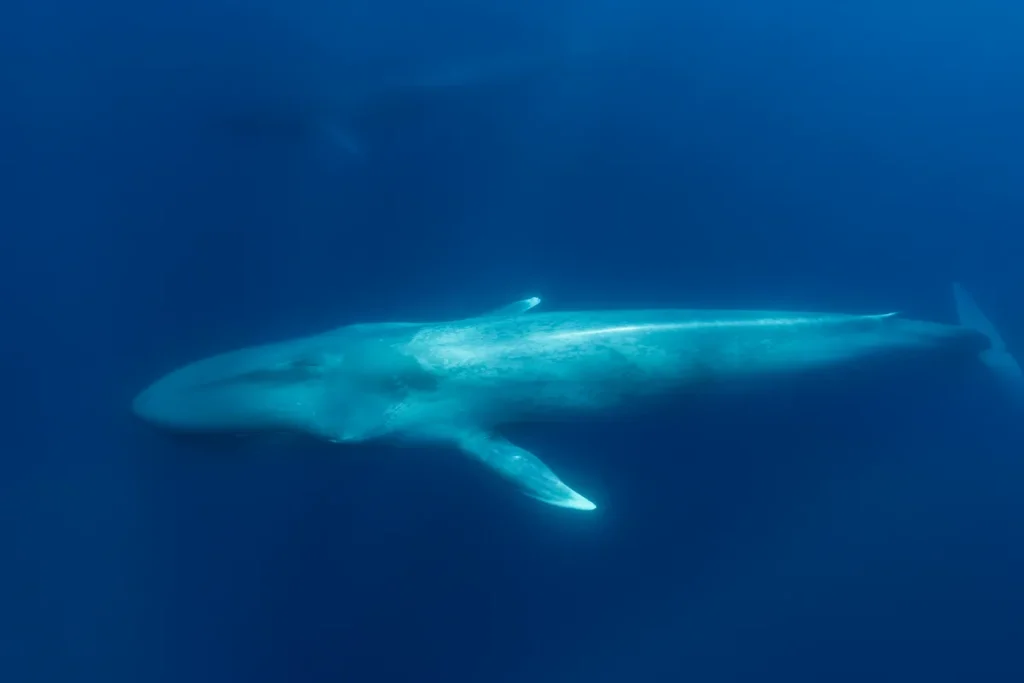
Blue Whale (Balaenoptera musculus)
The blue whale is the largest animal ever known to exist, inhabiting oceans worldwide. It prefers deep offshore waters but migrates seasonally. Its massive blue-gray body can reach extraordinary lengths and weights. Blue whales feed almost exclusively on krill, consuming several tons daily. They are mostly solitary or found in small groups and communicate using low-frequency calls. Conservation efforts focus on recovery from historical whaling.
Fun Fact: A blue whale’s heart can weigh as much as a small car.
| Attribute | Detail |
|---|---|
| Size | up to 30 m / 98 ft |
| Weight | up to 150,000 kg / 330,000 lb |
| Lifespan | 80–90 years |
| Habitat | Open oceans |
| Diet | Krill |
| Social Structure | Solitary or small groups |
| Conservation | Endangered |
Fun Fact: A blue whale’s tongue alone can weigh more than an elephant.
Beluga Whale (Delphinapterus leucas)
Beluga whales live in Arctic and sub-Arctic waters, often near coastlines and river mouths. They are easily recognized by their white coloration and rounded heads. Belugas are highly social and live in pods that can number in the hundreds. Their diet includes fish, crustaceans, and worms. These whales are known for their wide range of vocalizations.
Fun Fact: Belugas are often called “canaries of the sea.”
| Attribute | Detail |
|---|---|
| Size | 5.5 m / 18 ft |
| Weight | 1,600 kg / 3,500 lb |
| Lifespan | 35–50 years |
| Habitat | Arctic seas |
| Diet | Fish, invertebrates |
| Social Structure | Pods |
| Conservation | Near Threatened |
Fun Fact: Belugas can change the shape of their forehead to make sounds.
Bottlenose Dolphin (Tursiops truncatus)
Bottlenose dolphins are widely distributed in temperate and tropical oceans. They have streamlined bodies and are highly intelligent. These dolphins hunt cooperatively, feeding on fish and squid. They live in complex social groups with strong bonds. Their adaptability has allowed them to thrive near humans.
Fun Fact: Bottlenose dolphins use signature whistles like names.
| Attribute | Detail |
|---|---|
| Size | 3.8 m / 12.5 ft |
| Weight | 650 kg / 1,430 lb |
| Lifespan | 40–60 years |
| Habitat | Coastal and open ocean |
| Diet | Fish, squid |
| Social Structure | Pods |
| Conservation | Least Concern |
Fun Fact: Dolphins can recognize themselves in mirrors.
Basking Shark (Cetorhinus maximus)
The basking shark is the second-largest fish in the world. It inhabits temperate oceans and is often seen near the surface. Despite its size, it feeds on plankton by filtering seawater. Basking sharks migrate long distances following food availability. They are gentle and pose no threat to humans.
Fun Fact: A basking shark can filter thousands of liters of water per hour.
| Attribute | Detail |
|---|---|
| Size | 8 m / 26 ft |
| Weight | 2,000 kg / 4,400 lb |
| Lifespan | 50 years |
| Habitat | Temperate oceans |
| Diet | Plankton |
| Social Structure | Solitary |
| Conservation | Endangered |
Fun Fact: Basking sharks can be mistaken for sea monsters when feeding.
Barracuda (Sphyraena barracuda)
Barracudas live in tropical and subtropical oceans. They have elongated bodies and sharp teeth adapted for hunting. These fish are fast swimmers and ambush predators. Barracudas often hunt alone but may form schools. Their speed makes them top reef predators.
Fun Fact: Barracudas can reach speeds of up to 58 km/h.
| Attribute | Detail |
|---|---|
| Size | 2 m / 6.5 ft |
| Weight | 45 kg / 100 lb |
| Lifespan | 14 years |
| Habitat | Coral reefs |
| Diet | Fish |
| Social Structure | Solitary or schools |
| Conservation | Least Concern |
Fun Fact: Barracudas are attracted to shiny objects.
Blue Tang (Paracanthurus hepatus)
Blue tangs inhabit coral reefs in the Indo-Pacific. They are bright blue with yellow tails, making them easy to identify. These fish feed mainly on algae, helping maintain reef health. Blue tangs are active swimmers and live in small groups. They rely on reefs for shelter and food.
Fun Fact: The blue tang became famous from animated films.
| Attribute | Detail |
|---|---|
| Size | 30 cm / 12 in |
| Weight | 600 g / 1.3 lb |
| Lifespan | 20 years |
| Habitat | Coral reefs |
| Diet | Algae |
| Social Structure | Small groups |
| Conservation | Least Concern |
Fun Fact: Blue tangs change color slightly at night.
Box Jellyfish (Chironex fleckeri)
Box jellyfish inhabit tropical coastal waters, especially near Australia. They have transparent cube-shaped bells and long tentacles. Their venom is extremely potent and used to capture prey. Box jellyfish are active swimmers compared to other jellyfish. Human encounters can be dangerous.
Fun Fact: Box jellyfish have eyes capable of forming images.
| Attribute | Detail |
|---|---|
| Size | 30 cm / 12 in |
| Weight | 2 kg / 4.4 lb |
| Lifespan | 1 year |
| Habitat | Coastal waters |
| Diet | Fish, shrimp |
| Social Structure | Solitary |
| Conservation | Not Evaluated |
Fun Fact: Box jellyfish can avoid obstacles using vision.
Blue Crab (Callinectes sapidus)
Blue crabs are found along the Atlantic coast of North America. They are known for their blue-tinted claws and aggressive behavior. Blue crabs are omnivorous scavengers. They play an important role in coastal ecosystems. Fisheries manage them carefully.
Fun Fact: Blue crabs can regenerate lost limbs.
| Attribute | Detail |
|---|---|
| Size | 23 cm / 9 in |
| Weight | 450 g / 1 lb |
| Lifespan | 3 years |
| Habitat | Estuaries |
| Diet | Omnivore |
| Social Structure | Solitary |
| Conservation | Least Concern |
Fun Fact: Blue crabs are named after their vivid claw color.
Brittle Star (Ophiuroidea)
Brittle stars live on the ocean floor worldwide. They have long, slender arms used for movement. These invertebrates feed on detritus and small organisms. Brittle stars are nocturnal and hide during the day. They can break off arms to escape predators.
Fun Fact: A brittle star can regrow a lost arm.
| Attribute | Detail |
|---|---|
| Size | 60 cm / 24 in |
| Weight | 200 g / 0.4 lb |
| Lifespan | 5 years |
| Habitat | Seafloor |
| Diet | Detritus |
| Social Structure | Solitary |
| Conservation | Least Concern |
Fun Fact: Brittle stars move faster than most starfish.
Blue Marlin (Makaira nigricans)
Blue marlins inhabit warm ocean waters worldwide. They are large, powerful fish with spear-like bills. Blue marlins hunt fish and squid at high speeds. They are solitary except during breeding. Sport fishing has impacted populations.
Fun Fact: Blue marlins can swim faster than 80 km/h.
| Attribute | Detail |
|---|---|
| Size | 5 m / 16 ft |
| Weight | 820 kg / 1,800 lb |
| Lifespan | 27 years |
| Habitat | Open ocean |
| Diet | Fish, squid |
| Social Structure | Solitary |
| Conservation | Vulnerable |
Fun Fact: Blue marlins are among the fastest fish in the sea.
Blue Ringed Octopus (Hapalochlaena)
This small octopus lives in tide pools and reefs of the Indo-Pacific. It is yellow with bright blue rings that warn predators. Despite its size, it carries potent venom. Blue ringed octopuses feed on crustaceans. Human encounters require caution.
Fun Fact: Its venom can be fatal to humans.
| Attribute | Detail |
|---|---|
| Size | 20 cm / 8 in |
| Weight | 100 g / 0.2 lb |
| Lifespan | 2 years |
| Habitat | Coral reefs |
| Diet | Crustaceans |
| Social Structure | Solitary |
| Conservation | Not Evaluated |
Fun Fact: The blue rings glow brighter when threatened.
Bluefin Tuna (Thunnus thynnus)
Bluefin tuna are found in the Atlantic and Mediterranean. They are streamlined and built for speed and endurance. These fish migrate long distances across oceans. Bluefin tuna feed on smaller fish and squid. Overfishing has severely reduced populations.
Fun Fact: Bluefin tuna can regulate their body temperature.
| Attribute | Detail |
|---|---|
| Size | 4 m / 13 ft |
| Weight | 680 kg / 1,500 lb |
| Lifespan | 40 years |
| Habitat | Open ocean |
| Diet | Fish, squid |
| Social Structure | Schools |
| Conservation | Endangered |
Fun Fact: Bluefin tuna are among the most valuable fish in the world.
Blobfish (Psychrolutes marcidus)
Blobfish inhabit deep waters off Australia and New Zealand. They have gelatinous bodies adapted to high pressure. Blobfish feed on small invertebrates drifting by. Their unusual appearance changes when brought to the surface. They are rarely encountered by humans.
Fun Fact: Blobfish look very different in their natural deep-sea habitat.
| Attribute | Detail |
|---|---|
| Size | 30 cm / 12 in |
| Weight | 9 kg / 20 lb |
| Lifespan | Unknown |
| Habitat | Deep sea |
| Diet | Invertebrates |
| Social Structure | Solitary |
| Conservation | Not Evaluated |
Fun Fact: Blobfish became famous after being voted the “world’s ugliest animal.”
Bamboo Shark (Hemiscyllium)
Bamboo sharks live in shallow tropical waters. They are small, slender sharks that rest on the seafloor. These sharks feed on small fish and invertebrates. They are nocturnal and slow-moving. Bamboo sharks are harmless to humans.
Fun Fact: Bamboo sharks can walk using their fins.
| Attribute | Detail |
|---|---|
| Size | 1 m / 3.3 ft |
| Weight | 5 kg / 11 lb |
| Lifespan | 25 years |
| Habitat | Coral reefs |
| Diet | Fish, invertebrates |
| Social Structure | Solitary |
| Conservation | Near Threatened |
Fun Fact: Bamboo sharks can survive in low-oxygen water.
Butterflyfish (Chaetodontidae)
Butterflyfish inhabit coral reefs worldwide. They have bright colors and flattened bodies. These fish feed on coral polyps and small invertebrates. Butterflyfish often form monogamous pairs. Reef degradation threatens some species.
Fun Fact: Many butterflyfish mate for life.
| Attribute | Detail |
|---|---|
| Size | 22 cm / 9 in |
| Weight | 500 g / 1.1 lb |
| Lifespan | 10 years |
| Habitat | Coral reefs |
| Diet | Invertebrates |
| Social Structure | Pairs |
| Conservation | Least Concern |
Fun Fact: Butterflyfish patterns help them blend into reefs.
Blue Sea Star (Linckia laevigata)
Blue sea stars are common in Indo-Pacific reefs. They have five arms and vivid blue coloring. These echinoderms feed on algae and detritus. Blue sea stars move slowly along reef surfaces. They can regenerate lost arms.
Fun Fact: A single arm can grow into a new sea star.
| Attribute | Detail |
|---|---|
| Size | 30 cm / 12 in |
| Weight | 1 kg / 2.2 lb |
| Lifespan | 10 years |
| Habitat | Coral reefs |
| Diet | Algae |
| Social Structure | Solitary |
| Conservation | Least Concern |
Fun Fact: Their blue color comes from specialized pigments.
Brown Pelican (Pelecanus occidentalis)
Brown pelicans live along coastal waters. They are large birds that dive for fish. Pelicans hunt by plunging into the sea. They nest in colonies near shorelines. Conservation efforts have helped populations recover.
Fun Fact: Brown pelicans scoop fish with expandable throat pouches.
| Attribute | Detail |
|---|---|
| Size | 1.4 m / 4.6 ft |
| Weight | 3.5 kg / 7.7 lb |
| Lifespan | 15 years |
| Habitat | Coastal waters |
| Diet | Fish |
| Social Structure | Colonies |
| Conservation | Least Concern |
Fun Fact: Pelicans can hold several liters of water in their pouch.
Blue Shark (Prionace glauca)
Blue sharks inhabit open oceans worldwide. They have slender bodies and blue coloration. These sharks feed on fish and squid. Blue sharks are highly migratory. They are one of the most common sharks globally.
Fun Fact: Blue sharks can travel thousands of kilometers annually.
| Attribute | Detail |
|---|---|
| Size | 3.8 m / 12.5 ft |
| Weight | 200 kg / 440 lb |
| Lifespan | 20 years |
| Habitat | Open ocean |
| Diet | Fish, squid |
| Social Structure | Schools |
| Conservation | Near Threatened |
Fun Fact: Blue sharks are known for their curiosity.
Bonnethead Shark (Sphyrna tiburo)
Bonnethead sharks are small hammerhead species. They live in warm coastal waters. Their unique head shape aids in hunting. Bonnetheads feed on crustaceans and fish. They often form schools.
Fun Fact: Bonnetheads are the smallest hammerhead sharks.
| Attribute | Detail |
|---|---|
| Size | 1.5 m / 5 ft |
| Weight | 10 kg / 22 lb |
| Lifespan | 12 years |
| Habitat | Coastal waters |
| Diet | Crustaceans |
| Social Structure | Schools |
| Conservation | Least Concern |
Fun Fact: Bonnetheads have excellent sensory perception.
Blue Mussel (Mytilus edulis)
Blue mussels live attached to rocks in coastal zones. They filter plankton from seawater. Mussels form dense colonies. They are important for water filtration. Blue mussels are widely harvested.
Fun Fact: A single mussel can filter liters of water daily.
| Attribute | Detail |
|---|---|
| Size | 10 cm / 4 in |
| Weight | 50 g / 0.1 lb |
| Lifespan | 18 years |
| Habitat | Rocky shores |
| Diet | Plankton |
| Social Structure | Colonies |
| Conservation | Least Concern |
Fun Fact: Mussels attach using strong byssal threads.
Bryde’s Whale (Balaenoptera brydei)
Bryde’s whales inhabit warm oceans year-round. They are medium-sized baleen whales. These whales feed on fish and plankton. Bryde’s whales are often seen alone or in pairs. They are less studied than other whales.
Fun Fact: Bryde’s whales do not migrate as far as other whales.
| Attribute | Detail |
|---|---|
| Size | 15 m / 49 ft |
| Weight | 25,000 kg / 55,000 lb |
| Lifespan | 50 years |
| Habitat | Tropical oceans |
| Diet | Fish, plankton |
| Social Structure | Solitary |
| Conservation | Least Concern |
Fun Fact: Bryde’s whales can feed near the surface.
Blue Glaucus (Glaucus atlanticus)
Blue glaucus is a floating sea slug found in warm oceans. It feeds on venomous siphonophores. Its blue coloring provides camouflage. Blue glaucus floats upside down using gas-filled sacs. It stores venom from prey for defense.
Fun Fact: Blue glaucus can use stolen venom to protect itself.
| Attribute | Detail |
|---|---|
| Size | 3 cm / 1.2 in |
| Weight | 10 g / 0.02 lb |
| Lifespan | 1 year |
| Habitat | Open ocean surface |
| Diet | Siphonophores |
| Social Structure | Solitary |
| Conservation | Not Evaluated |
Fun Fact: Its coloration makes it nearly invisible from above and below.
Read: Ocean Animals That Start With X
Read: Sea Animals That Start With L
Read: Ocean Animals That Start With N
Read: Spanish Animals That Start With A
Read: Ocean Animals That Start With Q
FAQs About Marine Life
Why are ocean animals so diverse?
Marine environments range from shallow reefs to deep trenches, allowing species to adapt in many different ways.
Do all marine animals migrate?
No, some species migrate long distances, while others remain in small home ranges throughout life.
How does conservation status help?
It informs scientists and policymakers about population health and guides protection efforts.
Are deep-sea animals rarely seen?
Yes, many deep-sea species live far beyond human reach and are known only through exploration.
Where can I learn more about sea animals that start with b?
Marine biology books, aquariums, and scientific organizations provide reliable information.
Conclusion
This guide highlights the remarkable diversity found among ocean species, from the world’s largest whale to tiny drifting invertebrates. Each animal plays a unique role in maintaining healthy marine ecosystems. Understanding habitats, diets, and conservation status helps build appreciation for ocean life. By learning about sea animals that start with b, we gain insight into how interconnected and fragile marine environments can be. Continued curiosity and education are essential for protecting these species for future generations.