40+ Sea Animals That Start With P: Photos, Facts & Fun
The oceans are home to an astonishing range of life forms, from tiny drifting organisms to massive predators that rule the open seas. In this guide, we explore sea animals that start with p, showcasing creatures found across coral reefs, deep ocean trenches, polar waters, and coastal environments. To make learning easy and engaging, the animals are grouped by type, including fish, mammals, reptiles, and invertebrates. Each profile highlights where the animal lives, what it eats, how it behaves, and why it matters to marine ecosystems.
You will also find consistent size data, lifespan estimates, and conservation status so you can better understand their role in ocean health. Whether you are a student, wildlife enthusiast, or simply curious about marine biodiversity, this article offers a clear, factual, and fascinating look at some of the ocean’s most interesting residents.
Sea Animals That Start With P
Pacific Walrus (Odobenus rosmarus divergens)
The Pacific walrus inhabits cold Arctic and sub-Arctic seas, especially shallow continental shelves. It has a large, brown body, thick blubber, and long ivory tusks used for hauling out on ice. Adults can grow massive and are easily recognized by their whiskered faces. Their diet mainly consists of clams and other bottom-dwelling invertebrates. Walruses are social animals that gather in large herds on ice floes. Conservation status is Vulnerable due to climate-related habitat loss.
Fun Fact: Walruses can detect clams using their sensitive whiskers.
| Attribute | Detail |
|---|---|
| Size | 3–3.6 m / 9.8–11.8 ft |
| Weight | 800–1,700 kg / 1,760–3,750 lb |
| Lifespan | 30–40 years |
| Habitat | Arctic coastal seas |
| Diet | Clams, mollusks |
| Social Structure | Herd |
| Conservation | Vulnerable |
Parrotfish (Scaridae family)
Parrotfish live on tropical coral reefs around the world. They are brightly colored fish with beak-like mouths adapted for scraping algae from coral. Most species are medium-sized and active during the day. Their diet helps keep reefs healthy by preventing algae overgrowth. Parrotfish often sleep in mucus cocoons at night for protection. Conservation status is generally Least Concern, though some species face fishing pressure.
Fun Fact: Parrotfish create much of the white sand on tropical beaches.
| Attribute | Detail |
|---|---|
| Size | 0.3–1.3 m / 1–4.3 ft |
| Weight | Up to 46 kg / 101 lb |
| Lifespan | 5–20 years |
| Habitat | Coral reefs |
| Diet | Algae |
| Social Structure | Schools |
| Conservation | Least Concern |
Pufferfish (Tetraodontidae family)
Pufferfish are found in warm and temperate oceans worldwide. They are known for their ability to inflate when threatened, making them appear much larger. Their skin is tough, and many species contain potent toxins. Pufferfish feed on crustaceans, mollusks, and algae. They are mostly solitary and slow swimmers. Conservation status varies by species but is often Least Concern.
Fun Fact: Some pufferfish species are among the most poisonous animals on Earth.
| Attribute | Detail |
|---|---|
| Size | 0.1–0.6 m / 0.3–2 ft |
| Weight | Up to 2 kg / 4.4 lb |
| Lifespan | 10–20 years |
| Habitat | Coastal and reef waters |
| Diet | Crustaceans, mollusks |
| Social Structure | Solitary |
| Conservation | Least Concern |
Porbeagle Shark (Lamna nasus)
The porbeagle shark inhabits cold and temperate oceans of both hemispheres. It has a streamlined body and powerful swimming ability. This shark preys on fish and squid, often hunting in open water. Porbeagles are fast and energetic compared to many sharks. They are solitary or found in small groups. Conservation status is Vulnerable due to overfishing.
Fun Fact: Porbeagle sharks can leap completely out of the water.
| Attribute | Detail |
|---|---|
| Size | 2.5–3.7 m / 8.2–12.1 ft |
| Weight | Up to 230 kg / 507 lb |
| Lifespan | 30–40 years |
| Habitat | Open ocean |
| Diet | Fish, squid |
| Social Structure | Solitary |
| Conservation | Vulnerable |
Portuguese Man O’ War (Physalia physalis)
This floating colonial organism lives in warm oceans worldwide. It looks like a jellyfish but is actually a group of specialized polyps. Its long tentacles deliver painful stings used to capture fish. The gas-filled float keeps it at the surface. It drifts with ocean currents rather than swimming. Conservation status is Not Evaluated.
Fun Fact: A single man o’ war can have tentacles over 30 meters long.
| Attribute | Detail |
|---|---|
| Size | Float ~30 cm / 1 ft |
| Weight | Variable |
| Lifespan | About 1 year |
| Habitat | Open ocean surface |
| Diet | Fish |
| Social Structure | Colonial |
| Conservation | Not Evaluated |
Pilot Whale (Globicephala species)
Pilot whales inhabit deep offshore waters worldwide. They are large dolphins with rounded heads and dark bodies. These whales feed mainly on squid and fish. They live in strong social pods led by older females. Strandings are common due to tight group bonds. Conservation status is Least Concern for most populations.
Fun Fact: Pilot whales have some of the strongest social bonds of any marine mammal.
| Attribute | Detail |
|---|---|
| Size | 5–7 m / 16–23 ft |
| Weight | 1,000–3,000 kg / 2,200–6,600 lb |
| Lifespan | 45–60 years |
| Habitat | Deep ocean |
| Diet | Squid, fish |
| Social Structure | Pod |
| Conservation | Least Concern |
Pacific Sardine (Sardinops sagax)
Pacific sardines are found in temperate coastal waters of the Pacific Ocean. They are small, silver fish that form massive schools. Their diet consists mainly of plankton. Sardines play a crucial role in marine food webs. Populations fluctuate naturally but are managed by fisheries. Conservation status is Least Concern.
Fun Fact: Sardine schools can contain millions of individuals.
| Attribute | Detail |
|---|---|
| Size | 20–30 cm / 8–12 in |
| Weight | Up to 0.2 kg / 0.4 lb |
| Lifespan | 8–10 years |
| Habitat | Coastal waters |
| Diet | Plankton |
| Social Structure | Schools |
| Conservation | Least Concern |
Peacock Flounder (Bothus species)
Peacock flounders live on sandy bottoms near coral reefs. They have flattened bodies with vibrant blue eye-spots. These fish camouflage themselves to ambush prey. Their diet includes small fish and crustaceans. They are solitary and rely on stealth. Conservation status is Least Concern.
Fun Fact: Peacock flounders can change color in seconds.
| Attribute | Detail |
|---|---|
| Size | 30–45 cm / 12–18 in |
| Weight | Up to 2 kg / 4.4 lb |
| Lifespan | 10–15 years |
| Habitat | Sandy reef bottoms |
| Diet | Fish, crustaceans |
| Social Structure | Solitary |
| Conservation | Least Concern |
Pink Sea Star (Pisaster brevispinus)
Pink sea stars inhabit cold Pacific coastal waters. They have thick arms and a soft pink coloration. These echinoderms feed on clams and mussels. They move slowly across the seafloor. Sea stars play an important role in controlling prey populations. Conservation status is Least Concern.
Fun Fact: Sea stars can regenerate lost arms.
| Attribute | Detail |
|---|---|
| Size | Up to 60 cm / 24 in |
| Weight | Up to 2 kg / 4.4 lb |
| Lifespan | 20–30 years |
| Habitat | Rocky seafloor |
| Diet | Mollusks |
| Social Structure | Solitary |
| Conservation | Least Concern |
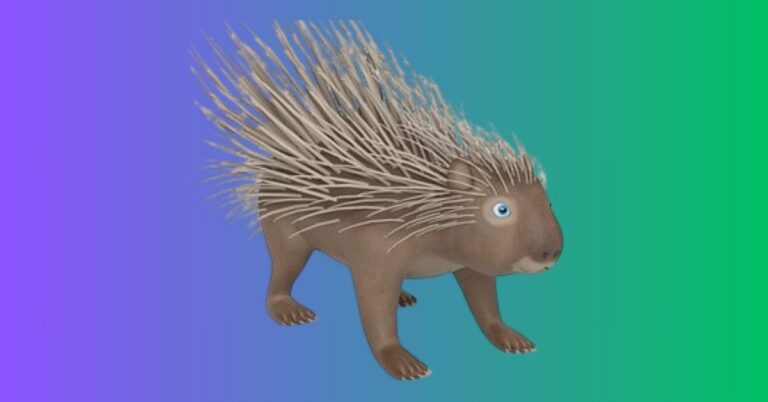
Porcupinefish (Diodontidae family)
Porcupinefish inhabit tropical and subtropical oceans. They are round-bodied fish covered with spines that stand erect when inflated. Their powerful jaws crush hard-shelled prey. Porcupinefish are slow-moving and mostly solitary. They are related to pufferfish but have longer spines. Conservation status is Least Concern.
Fun Fact: Porcupinefish can double their size by gulping water.
| Attribute | Detail |
|---|---|
| Size | 30–90 cm / 12–35 in |
| Weight | Up to 2.8 kg / 6.2 lb |
| Lifespan | 10–15 years |
| Habitat | Reefs and lagoons |
| Diet | Crustaceans |
| Social Structure | Solitary |
| Conservation | Least Concern |
Pacific Sea Nettle (Chrysaora fuscescens)
This large jellyfish lives along the Pacific coast of North America. It has a golden bell with long, flowing tentacles. Pacific sea nettles feed on plankton and small fish. They drift with currents but can pulse to move slightly. Their sting is mild to humans. Conservation status is Not Evaluated.
Fun Fact: Their tentacles can extend over 4 meters long.
| Attribute | Detail |
|---|---|
| Size | Bell up to 30 cm / 12 in |
| Weight | Variable |
| Lifespan | About 1 year |
| Habitat | Coastal waters |
| Diet | Plankton, fish |
| Social Structure | Solitary |
| Conservation | Not Evaluated |
Pencil Urchin (Eucidaris species)
Pencil urchins live on coral reefs in tropical oceans. They have thick, blunt spines rather than sharp ones. These urchins graze on algae and detritus. They hide in crevices during the day. Pencil urchins help maintain reef balance. Conservation status is Least Concern.
Fun Fact: Their spines resemble colored pencils.
| Attribute | Detail |
|---|---|
| Size | Up to 15 cm / 6 in |
| Weight | Up to 1 kg / 2.2 lb |
| Lifespan | 10–15 years |
| Habitat | Coral reefs |
| Diet | Algae |
| Social Structure | Solitary |
| Conservation | Least Concern |
Pelagic Thresher Shark (Alopias pelagicus)
This shark inhabits open oceans, especially in tropical waters. It is known for its extremely long tail used to stun prey. Pelagic threshers feed mainly on schooling fish. They are fast and agile swimmers. Overfishing has impacted their populations. Conservation status is Vulnerable.
Fun Fact: The tail can be as long as the rest of its body.
| Attribute | Detail |
|---|---|
| Size | Up to 3.3 m / 10.8 ft |
| Weight | Up to 90 kg / 198 lb |
| Lifespan | 20–25 years |
| Habitat | Open ocean |
| Diet | Fish |
| Social Structure | Solitary |
| Conservation | Vulnerable |
Pacific Spiny Dogfish (Squalus suckleyi)
This small shark lives in cold Pacific waters. It has a slender body and venomous dorsal spines. Dogfish feed on fish and invertebrates. They often form large schools. Populations are relatively stable due to management. Conservation status is Least Concern.
Fun Fact: Spiny dogfish can live for over 70 years.
| Attribute | Detail |
|---|---|
| Size | 0.6–1.6 m / 2–5.2 ft |
| Weight | Up to 9 kg / 20 lb |
| Lifespan | 35–70 years |
| Habitat | Coastal and offshore |
| Diet | Fish, invertebrates |
| Social Structure | Schools |
| Conservation | Least Concern |
Pipefish (Syngnathidae family)
Pipefish are slender relatives of seahorses found in shallow coastal waters. They have elongated bodies and small mouths. Pipefish feed on tiny crustaceans. Males carry eggs in a brood pouch. They rely on camouflage among seagrass. Conservation status is Least Concern.
Fun Fact: Male pipefish become pregnant.
| Attribute | Detail |
|---|---|
| Size | 15–35 cm / 6–14 in |
| Weight | Up to 0.05 kg / 0.1 lb |
| Lifespan | 5–10 years |
| Habitat | Seagrass beds |
| Diet | Small crustaceans |
| Social Structure | Pairs |
| Conservation | Least Concern |
Pink Shrimp (Farfantepenaeus duorarum)
Pink shrimp inhabit sandy bottoms in warm coastal waters. They are important both ecologically and commercially. Shrimp feed on detritus and small organisms. They migrate offshore to spawn. Overfishing is managed in many regions. Conservation status is Least Concern.
Fun Fact: Pink shrimp glow slightly in moonlight underwater.
| Attribute | Detail |
|---|---|
| Size | 12–20 cm / 5–8 in |
| Weight | Up to 0.1 kg / 0.2 lb |
| Lifespan | 2–3 years |
| Habitat | Sandy seabed |
| Diet | Detritus |
| Social Structure | Schools |
| Conservation | Least Concern |
Prickly Shark (Echinorhinus cookei)
Prickly sharks live in deep Pacific waters. They have rough skin covered in thorn-like denticles. These sharks feed on fish and invertebrates. They are slow-moving and rarely seen. Little is known about their populations. Conservation status is Data Deficient.
Fun Fact: Their skin feels like coarse sandpaper.
| Attribute | Detail |
|---|---|
| Size | Up to 4 m / 13 ft |
| Weight | Up to 400 kg / 882 lb |
| Lifespan | Unknown |
| Habitat | Deep ocean |
| Diet | Fish |
| Social Structure | Solitary |
| Conservation | Data Deficient |
Purple Sea Urchin (Strongylocentrotus purpuratus)
This sea urchin inhabits rocky shores along the Pacific coast. It has dark purple spines and a round body. Purple sea urchins graze on kelp and algae. Overpopulation can damage kelp forests. They are prey for sea otters. Conservation status is Least Concern.
Fun Fact: Sea urchins can live for over 50 years.
| Attribute | Detail |
|---|---|
| Size | Up to 10 cm / 4 in |
| Weight | Up to 0.5 kg / 1.1 lb |
| Lifespan | 30–50 years |
| Habitat | Rocky reefs |
| Diet | Algae |
| Social Structure | Aggregations |
| Conservation | Least Concern |
Pompano (Trachinotus species)
Pompanos are fast-swimming fish found in warm coastal waters. They have silvery bodies and forked tails. Pompanos feed on crustaceans and small fish. They are popular sport and food fish. Schools migrate seasonally. Conservation status is Least Concern.
Fun Fact: Pompanos are known for their speed and agility.
| Attribute | Detail |
|---|---|
| Size | 45–65 cm / 18–26 in |
| Weight | Up to 8 kg / 17.6 lb |
| Lifespan | 7–10 years |
| Habitat | Coastal waters |
| Diet | Crustaceans |
| Social Structure | Schools |
| Conservation | Least Concern |
Pygmy Seahorse (Hippocampus bargibanti)
Pygmy seahorses live on coral reefs in the Indo-Pacific. They are extremely small and perfectly camouflaged. Their diet consists of tiny crustaceans. These seahorses are slow-moving and cling to coral. Habitat loss threatens some populations. Conservation status is Near Threatened.
Fun Fact: Pygmy seahorses were only discovered in 1969.
| Attribute | Detail |
|---|---|
| Size | 2–2.4 cm / 0.8–1 in |
| Weight | Under 0.01 kg |
| Lifespan | 1–5 years |
| Habitat | Coral reefs |
| Diet | Micro-crustaceans |
| Social Structure | Pairs |
| Conservation | Near Threatened |
Pacific Octopus (Enteroctopus dofleini)
The Pacific octopus is the largest octopus species, found in the North Pacific. It has eight powerful arms and remarkable intelligence. It feeds on crabs, fish, and shellfish. Pacific octopuses are solitary and highly curious. They have a short lifespan but rapid growth. Conservation status is Least Concern.
Fun Fact: This octopus can open jars and solve puzzles.
| Attribute | Detail |
|---|---|
| Size | Up to 9 m / 30 ft arm span |
| Weight | Up to 50 kg / 110 lb |
| Lifespan | 3–5 years |
| Habitat | Rocky seafloor |
| Diet | Crabs, fish |
| Social Structure | Solitary |
| Conservation | Least Concern |
Pelican Eel (Eurypharynx pelecanoides)
Pelican eels inhabit the deep ocean. They have enormous mouths and long, thin bodies. Their diet includes fish and crustaceans. Pelican eels use bioluminescence to attract prey. They are rarely observed alive. Conservation status is Least Concern.
Fun Fact: Their mouth can open wider than their body.
| Attribute | Detail |
|---|---|
| Size | Up to 1 m / 3.3 ft |
| Weight | Up to 6 kg / 13 lb |
| Lifespan | Unknown |
| Habitat | Deep sea |
| Diet | Fish |
| Social Structure | Solitary |
| Conservation | Least Concern |
Read: Ocean Animals That Start With X
Read: Sea Animals That Start With L
Read: Ocean Animals That Start With N
Read: Spanish Animals That Start With A
Read: Ocean Animals That Start With Q
FAQs: Sea Animals That Start With P
How do marine animals adapt to different ocean zones?
Marine animals adapt through body shape, insulation, and specialized diets. These traits help them survive in shallow reefs, deep oceans, or icy polar waters.
Why are some sea animals brightly colored?
Bright colors can serve as warning signals, camouflage, or communication tools. In coral reefs, coloration often helps species blend into complex backgrounds.
Are deep-sea animals usually solitary?
Yes, many deep-sea species live solitary lives due to scarce food resources. Limited interaction helps reduce competition in extreme environments.
How does climate change affect marine biodiversity?
Warming waters, acidification, and habitat loss disrupt food webs. Many species face changing ranges and reduced survival rates.
Conclusion
This comprehensive look at ocean life highlights the incredible diversity found among sea animals that start with p, from massive marine mammals to tiny reef dwellers. Each species plays a unique role in maintaining healthy marine ecosystems.
Understanding their habitats, behaviors, and conservation status helps build appreciation for ocean biodiversity. As environmental pressures increase, awareness becomes even more important.